 By
By KHUTSONG, GAUTENG — The Gauteng Department of Human Settlements has vowed to take decisive action against beneficiaries who misuse state-subsidised housing, following unannounced inspections in Khutsong, Merafong Local Municipality that uncovered residential properties converted into commercial operations, rented out, or left abandoned.

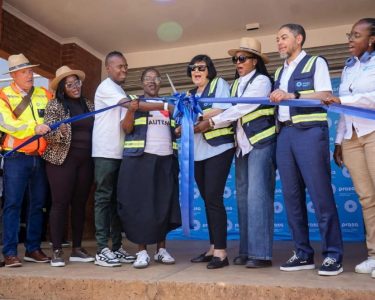
The site visits were conducted in Khutsong Extensions 5 and 6 as part of the provincial government’s service delivery outreach programme. Officials targeted specific properties following widespread complaints from local residents regarding the unlawful commercial exploitation of state-allocated homes.
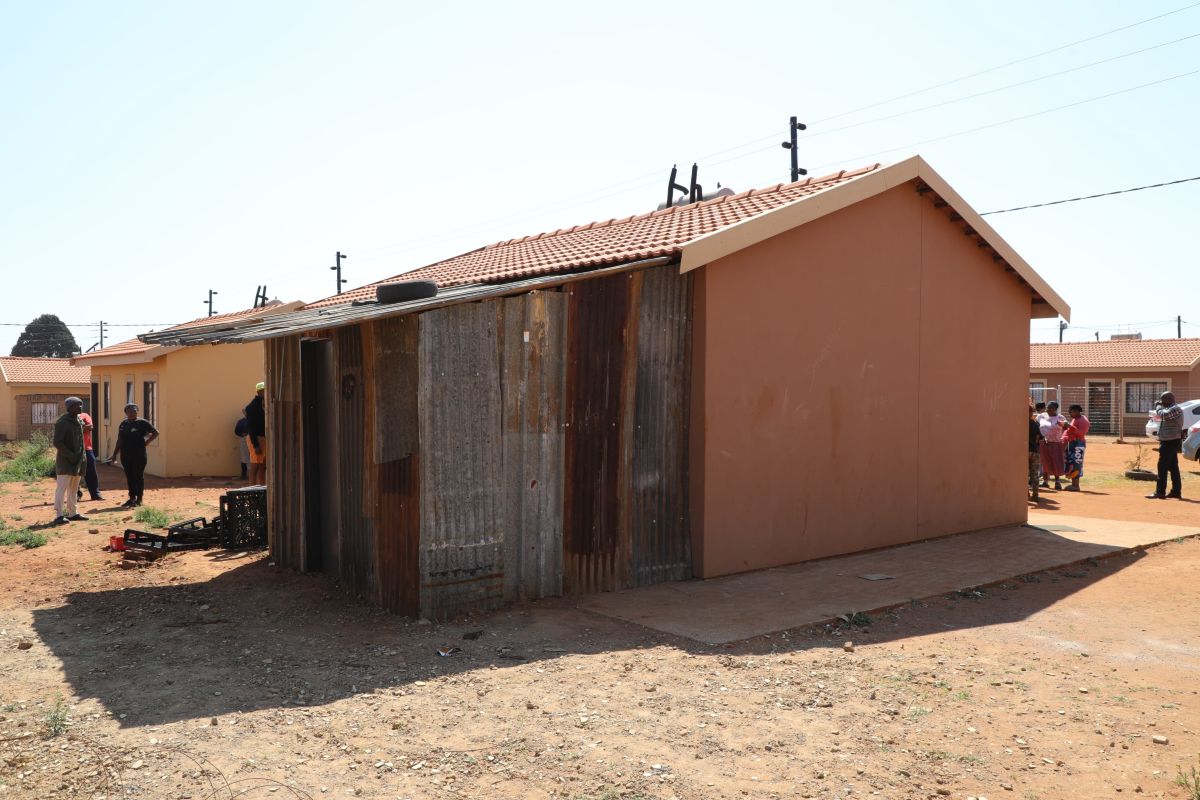
Inspections across at least three housing projects—including legacy developments dating back to 1998—revealed systemic contraventions of residential allocation policies. In one case, internal partitioning walls were demolished to convert a house into a spaza shop operated by foreign national tenants.
Investigators discovered two other state-subsidised homes functioning as hardware stores, alongside a property converted into a panel-beating workshop. Another dwelling was found completely unoccupied and severely vandalised.
Gauteng MEC for Human Settlements, Tasneem Motara, issued a stern warning against treating public housing resources as commercial assets.
“Government-subsidised houses are provided to give qualifying families a secure place to call home, not to be converted into businesses or rented out for profit,” Motara stated. “It is deeply concerning that houses intended to provide dignity and shelter are being abandoned, rented to other people or turned into spaza shops, hardware stores and other businesses. We cannot allow public resources meant to address the housing backlog to be undermined in this manner.”
Motara confirmed that the department will enforce stricter monitoring protocols and initiate legal remedies against transgressors.
“We will strengthen our monitoring and verification processes and take appropriate action where beneficiaries are found to have contravened the conditions attached to their housing allocation,” she added, urging members of the public to report violations.
The findings emerge amid ongoing state investment in the area through the multi-phase Khutsong Housing Project, an initiative designed to yield approximately 18,000 mixed-development housing units. While Phase 1 delivered 5,500 homes by 2012, Phase 2—launched in 2017—has so far seen 611 houses completed and handed over to beneficiaries, with 83 additional units remaining under construction.
Department officials reiterated that converting residential allocations into commercial hubs or subletting them to third parties directly compromises the social objectives of state housing investments. The department confirmed it will continue conducting field audits, verifying occupancy records, and pursuing statutory remedies against non-compliant beneficiaries under existing housing legislation and allocation policy framework guidelines.