 By
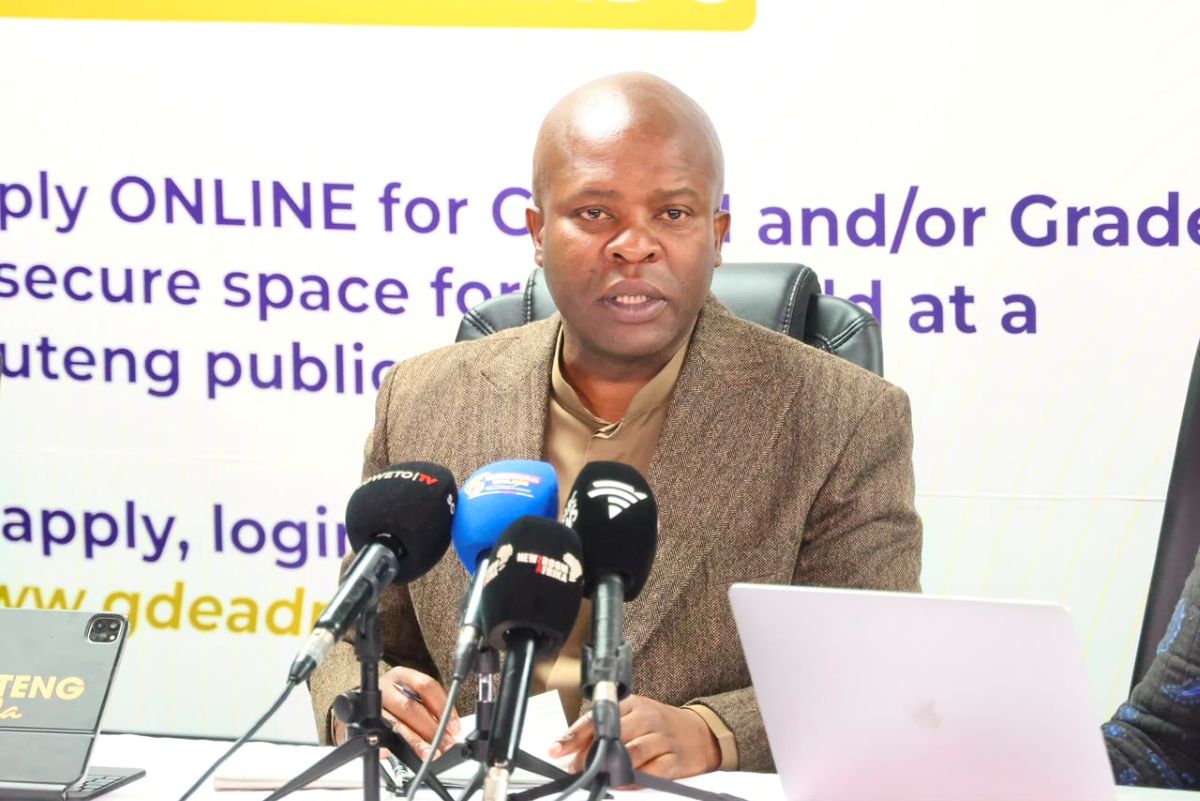
By Gauteng Education MEC has written an urgent letter to the Gauteng Provincial Commissioner of the South African Police Service (SAPS), Lieutenant General Tommy Mthombeni, demanding swift intervention to safeguard schools from the proliferation of hazardous and unsafe products.

The call comes amid growing concern over an unregulated substance known locally as “scrubs,” which has reportedly been purchased and consumed by learners from external vendors.
Investigating the “Scrubs” Phenomenon
The Gauteng Department of Education’s initial fact-finding process has been unable to verify the exact source or composition of “scrubs”. Although unverified claims suggest the substance consists of used cooking oil, chicken remnants, and spices from fast-food outlets, MEC Maile stressed that these allegations require formal scientific testing and investigation by competent authorities.
Expressing frustration at the slow pace of investigations by SAPS and food-safety regulators, the MEC emphasized that authorities must act immediately when potentially unsafe products are found in the possession of children. He called for a coordinated multi-agency response involving:
- The South African Police Service (SAPS) to trace suppliers and investigate distribution networks.
- Environmental Health Practitioners and municipal services to conduct routine inspections of food vendors operating outside school gates.
- The Gauteng Department of Health and relevant food-safety and waste-management bodies to assess public health risks.
Business Accountability and Waste Management
MEC Maile also turned his focus to corporate responsibility, strongly condemning irresponsible waste-disposal practices by fast-food outlets and other businesses. He noted that while investigators have not linked a specific restaurant to the current product, businesses must ensure that used cooking materials, food remnants, and waste are managed responsibly so they do not enter informal supply chains.
“It is reckless for any business to dispose of its waste in a manner that allows materials which are not intended or safe for human consumption to find their way into our communities and ultimately into our schools”.
Protecting the National School Nutrition Programme
To address immediate safety concerns within the schooling community, the Department has issued strict instructions that the consumption of “scrubs” or similar unknown items is strictly prohibited on school grounds. Furthermore, unauthorized products are banned from being added to meals distributed through the National School Nutrition Programme (NSNP).
Departmental checks have confirmed that schools investigated were fully compliant with the NSNP menu, and that the externally purchased products have no connection to the official feeding scheme.
The massive intervention currently feeds 1,738,266 learners across 1,675 schools with balanced daily breakfasts and lunches. Backed by an allocation of approximately R1.69 billion for the 2026/27 financial year, the programme relies on 8,728 food handlers to maintain rigorous hygiene, monitoring, and preparation standards.
A Call Against Reckless Media Reporting
The MEC cautioned media outlets against sensational reporting that conflates external products purchased from vendors with meals provided by the official school nutrition programme.
The Department warned that inaccurate reporting risks creating unnecessary panic, undermining public confidence, and discouraging parents or learners from utilizing a critical feeding scheme.
Reiterating that “it takes a village to raise a child,” MEC Maile called on School Governing Bodies, parents, educators, law enforcement, and businesses to form a unified social compact to protect learners and ensure schools remain safe, secure environments for education.