 By
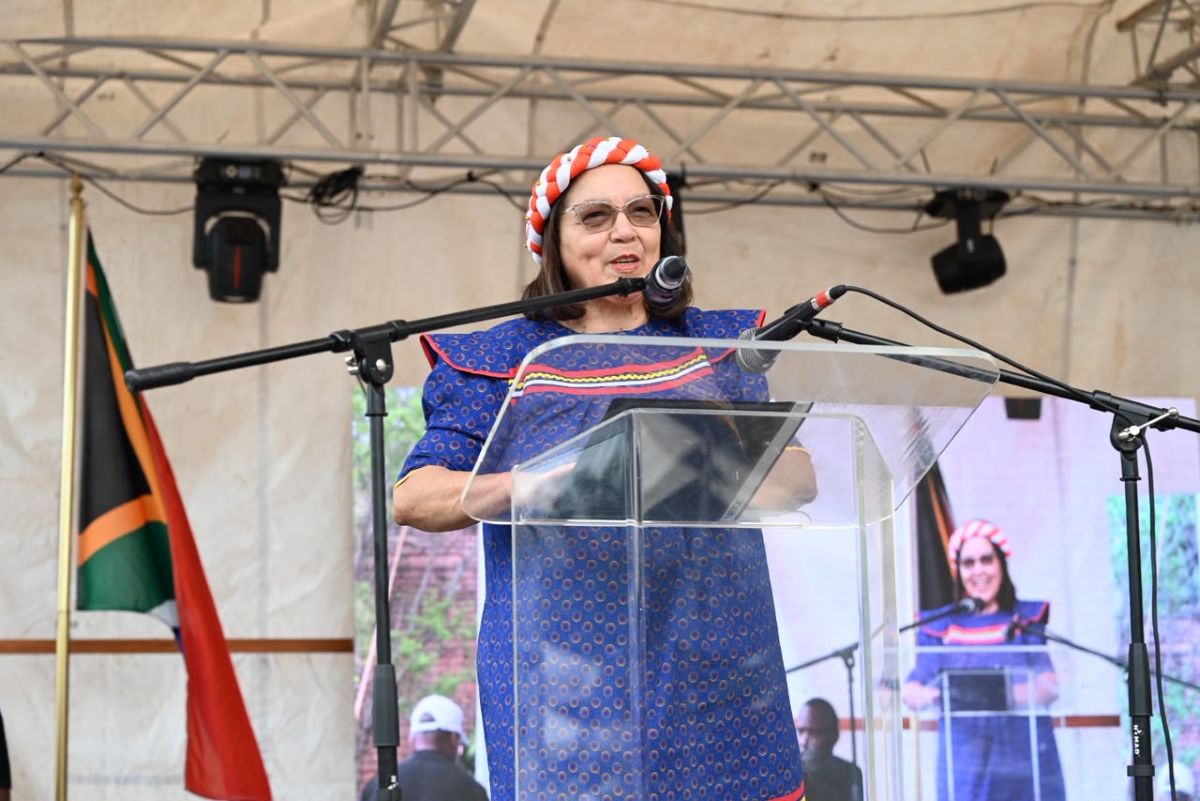
By As global travel rebounds and shifts into a hyper-connected paradigm, South Africa’s tourism economy is placing digital innovation at the forefront of its growth strategy. Speaking at the World Tourism Day 2026 closure celebrations held at the Legend Golf & Safari Resort in Limpopo, Minister of Tourism Patricia de Lille emphasized that leveraging technology and artificial intelligence is critical to converting the nation’s immense tourism appeal into tangible economic growth, job creation, and broader community opportunities.

The event, hosted under the theme “Growing South Africa’s Tourism Sector in the Digital Era,” highlighted a booming sector that is outperforming previous metrics while aggressively modernizing its operational framework.
Robust Sector Performance and Economic Indicators
South Africa’s tourism economy is demonstrating strong, resilient momentum across both international and domestic fronts:
- International Growth: Following a strong showing of 10.5 million international arrivals in 2025, the country welcomed 6.5 million international visitors between January and July 2026, marking a notable 12.4% year-on-year increase.
- Domestic Pillar: Domestic tourism continues to serve as a vital bedrock for the industry. Domestic expenditure reached R111.6 billion in the first half of 2026, while domestic overnight trips rose by 4.1% to hit 21.2 million.
These numbers signal robust consumer confidence and a healthy appetite for travel, creating an opportune baseline for deeper structural digitalization.
Bridging the Gap: Digital Strategy and Economic Inclusion
Minister De Lille stressed that a modern digital strategy must stretch far beyond aesthetics. While high-resolution imagery and virtual tours capture attention, the ultimate objective of digitalization is conversion—making it seamless for global and domestic travellers to discover, compare, and instantly book South African experiences.
Crucially, the national tourism agenda ties technological modernization directly to economic inclusion. For smaller players, townships, rural destinations, and emerging enterprises, the digital divide has historically presented a barrier to market entry.
- Global Reach for Small Businesses: Artificial intelligence and digital platforms allow a small guesthouse or tour operator tucked away in rural Limpopo to market directly to international clients anywhere in the world.
- Provincial Mobilization: Limpopo MEC for Economic Development, Environment and Tourism, Dr Tshitereke Matibe, echoed this sentiment, highlighting the “We Are Limpopo” digital campaign. The initiative encourages local residents and visitors to act as digital ambassadors by recording and sharing their favourite provincial experiences online using the hashtag #WeAreLimpopo.
Empowering Young Innovators Through the G20 Hackathon
A key highlight of the World Tourism Day celebration was the tangible integration of youth-led innovation into the national tourism framework. The Department of Tourism showcased the top three teams from its G20 Hackathon, who presented pioneering AI-powered solutions to address real-world industry challenges:
- The Catalyst: Secured the top spot and a cash injection of R175,000 for their winning AI solution.
- Map My Biz: Awarded R140,000 for their innovative technological contribution.
- Ubuntu Unlimited: Received R105,000 for their developmental tech presentation.
These initiatives demonstrate how the next generation of entrepreneurs is shaping a more digitally enabled, inclusive tourism economy.
A Tech-Enabled Future Anchored in Human Warmth
While the strategic push toward automation, AI, and digital platforms is accelerating, leadership at the Waterberg celebration was quick to remind stakeholders that tourism remains an inherently human industry.
As Minister De Lille aptly concluded, technology may act as the digital gateway that helps a traveller discover and book South Africa, but it is ultimately the country’s people, exceptional hospitality, and authentic cultural encounters that leave lasting memories.
Through strategic public-private partnerships across government, municipalities, and local businesses, South Africa is ensuring that its tourism sector scales new heights in the digital era without losing its human heart.