 By
PRETORIA — As South Africa navigates a cautious economic recovery, policymakers are sharpening their focus on a long-standing structural shift: moving past raw resource extraction to embrace local mineral beneficiation.
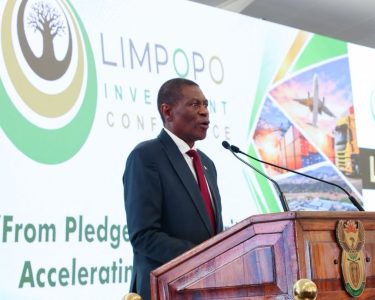
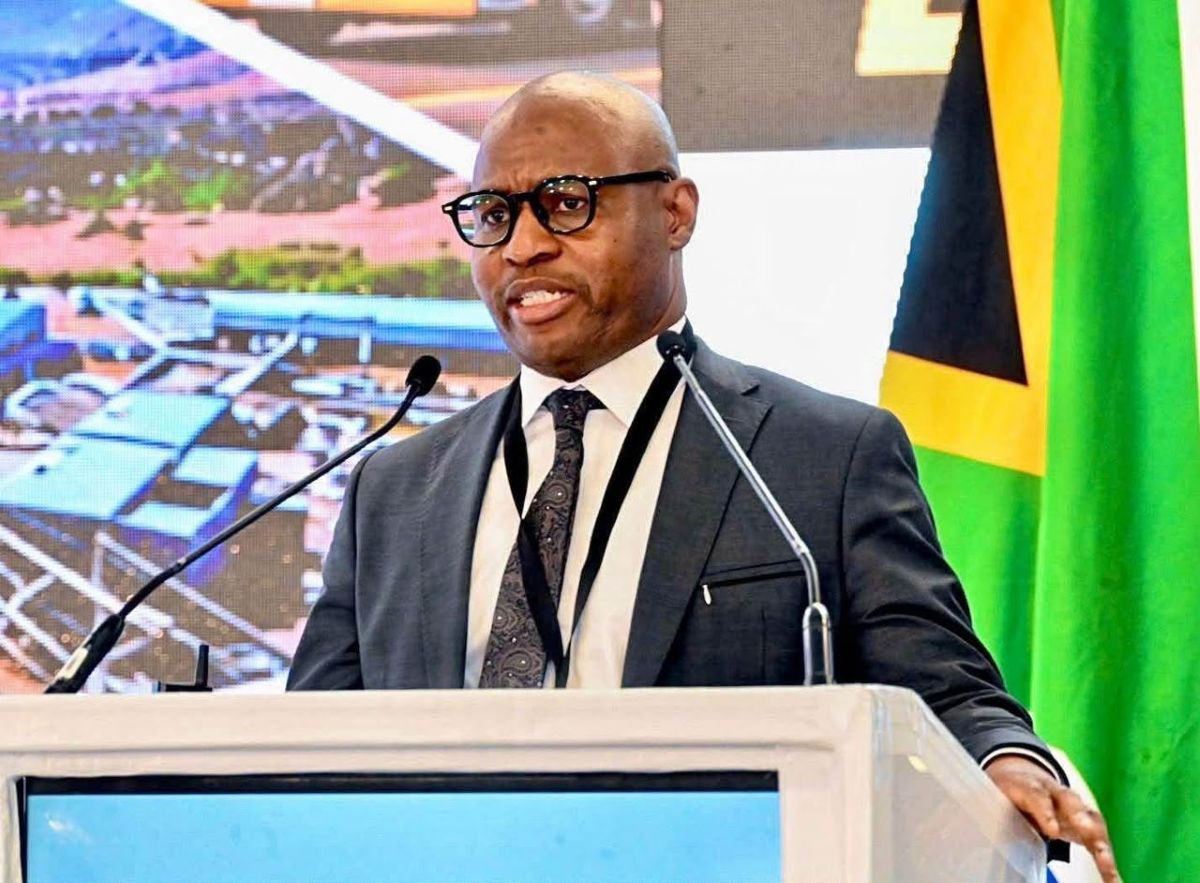
Speaking at the recent Limpopo Investment Conference in Polokwane, the Department of Trade, Industry and Competition’s (the dtic) Acting Deputy Director-General of Investment and Spatial Industrial Development, Maoto Molefane, underscored that the nation’s true economic future lies well beyond the mine gate.
While macroeconomic projections point to steady, albeit gradual, improvement—with the South African Reserve Bank forecasting GDP growth of 1.2% in 2026, 1.7% in 2027, and 1.9% in 2028—the country retains formidable structural strengths.
Bolstered by a robust goods trade surplus of R201.6 billion in 2025, a diversified industrial base, and critical green-shoots in energy and logistics reform, South Africa is actively positioning itself as an attractive regional and continental investment hub.
Unlocking Value Through Beneficiation
The core of the dtic’s industrial strategy centres on maximizing the value of South Africa’s abundant mineral wealth before it crosses borders. Endowed with world-class reserves of platinum, chrome, manganese, vanadium, and copper, the country is uniquely positioned to capture higher-value segments of global supply chains.
Rather than exporting raw commodities, Molefane stressed the critical importance of local refining, manufacturing battery materials, producing industrial components, and supplying domestic mining equipment. This localized value-addition framework is designed to catalyse industrialization, stimulate regional manufacturing, and generate sustainable, multi-tier employment opportunities.
Strategic Advantage in Provinces Like Limpopo
Provinces rich in natural resources, such as Limpopo, serve as prime blueprints for this industrial pivot. Offering geographical proximity to raw minerals alongside expanding energy infrastructure and transport corridors, the province provides a compelling business case for industrial investors.
In particular, the Fetakgomo-Tubatse Special Economic Zone in Sekhukhune stands out as a dedicated launchpad for mineral processing and value-chain integration. Furthermore, companies anchoring their operations in South Africa gain seamless access to broader continental and international markets via the African Continental Free Trade Area (AfCFTA), the Southern African Development Community (SADC), and established trade pacts with the European Union and the United Kingdom.
A Diversified Investment Landscape
Beyond mining and mineral processing, the government’s R1.07 trillion public infrastructure rollout over the next three years is actively smoothing the path for private sector participation. Ongoing stabilization in electricity supply and expanded private access to freight rail are unlocking new commercial avenues.
Investors are increasingly eyeing a diverse array of sectors ripe for expansion, spanning renewable energy, green hydrogen, automotive components, chemicals, pharmaceuticals, agriculture, and digital infrastructure.
As the government pivots toward deep industrial integration, the message to investors is clear: South Africa offers an ecosystem built not just for extraction, but for long-term production, innovation, and shared growth.