 By
PRETORIA — In a hard-hitting address that stripped away conventional diplomatic platitudes, International Relations and Cooperation Minister Ronald Lamola issued a stark call for a fundamental reset in how Africa and Europe engage one another.
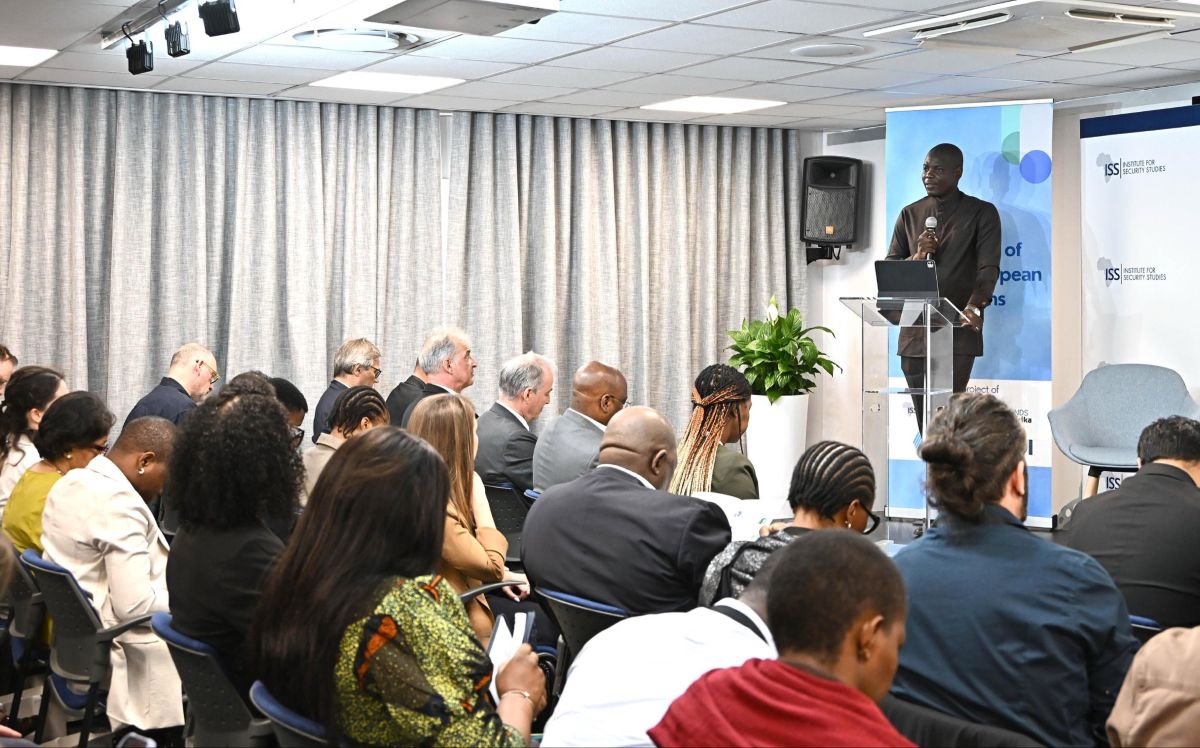
Speaking at a capstone conference in Pretoria evaluating the future of continental relations, Lamola argued that decades of goodwill must finally graduate from rhetoric to a genuine, mutually accountable compact.
Addressing a high-profile audience including Institute for Security Studies (ISS) Board Chair Ottilia Maunganidze, ISS head Dr. Jakkie Cilliers, and representatives from prominent European research institutions and industries, Lamola painted a picture of a fractured global order. He noted that old alliances are splintering, transactional politics are on the rise, and the post-WWII multilateral rules-based order is under severe strain.
Dismantling Economic Marginalisation
At the core of Lamola’s critique was Africa’s historical and ongoing economic subjugation. He pointedly observed that the continent has long supplied raw materials that generate wealth abroad while its own populations endure deep deprivation.
“The first requirement for sustainable partnerships are those that contribute to ending our economic marginalisation and the exploitation of our resources without meaningful structural transformation,” Lamola stated.
He highlighted a natural convergence point: Europe’s urgent search for resilient supply chains coupled with Africa’s push for local mineral beneficiation and manufacturing. However, he cautioned that this must be anchored by capital and technology transfers from Europe, rather than replicating colonial-style extraction.
The Heavy Burden of Debt and Financial Architecture
Financial inequality emerged as another major flashpoint in the Minister’s address. Pointing to structural hurdles in the international financial architecture, Lamola revealed that 25 African countries currently spend more servicing debt than funding the health and education of their citizens.
Compounding this crisis, African nations face borrowing costs 3% to 6% higher than non-African states for identical investment returns. To combat this, Lamola championed home-grown solutions, pointing to the newly launched African Credit Rating Agency and a growing momentum toward establishing a collective “borrowers’ club”.
Infrastructure financing remains a massive hurdle, with Africa facing an annual deficit of $170 billion. Lamola contrasted this funding drought with the staggering global military expenditure by major powers and Europe, which has ballooned to $3 trillion over the past three years.
While urging Europe to leverage initiatives like the Global Gateway to back the African Continental Free Trade Area (AfCFTA) and bridge intra-African trade gaps—which currently languish at just over 14% compared to Europe’s intra-trade of over 60%—Lamola stressed that Africa must also urgently overcome its internal divisions across its 54 disparate states.
Confronting Uncomfortable Realities: From “Vaccine Apartheid” to Carbon Taxes
Lamola did not shy away from historical grievances and ongoing policy friction between the two continents. He explicitly reminded delegates of the deep wounds inflicted during the COVID-19 pandemic, citing “vaccine apartheid,” punishing travel bans targeting the Global South, and fierce European opposition to generic vaccine production.
Current trade policies also threaten to fracture relations. Lamola warned that the European Union’s carbon tax on key exports—such as iron, steel, aluminium, and cement—could cost Africa up to $25 billion in GDP.
“Effectively, African economies and African people will foot the bill for global greenhouse gas emissions, despite having played little role in creating the problem,” Lamola warned, calling on Brussels to respect developing economies’ parallel industrialisation needs.
Geopolitics, Democracy, and Global Voice
Reflecting on broader geopolitical tremors, Lamola identified three major structural threats to the partnership:
- The Global Rightward Shift: The rise of political actors willing to bypass or break established democratic rules.
- Democratic Backsliding: Citing the 2026 V-Dem Democracy Report, he noted a widespread disillusionment fuelled by the gap between electoral promises and economic realities.
- Great-Power Competition: A zero-sum global game where rules are treated as optional and sovereignty is undermined by powerful states.
Despite these turbulent currents, Lamola maintained that partnerships do not require absolute consensus on every issue. Echoing insights from Jakkie Cilliers’ book Africa’s Road to Prosperity, Lamola concluded that true partnership requires the resilience to withstand shocks, confront uncomfortable truths, and engage strictly as equals.
“Africa does not want to just supply labour or raw materials,” Lamola concluded. “We want to create viable pathways to employment and entrepreneurship, so that our young people can prosper and thrive at home.”