
 By
By 
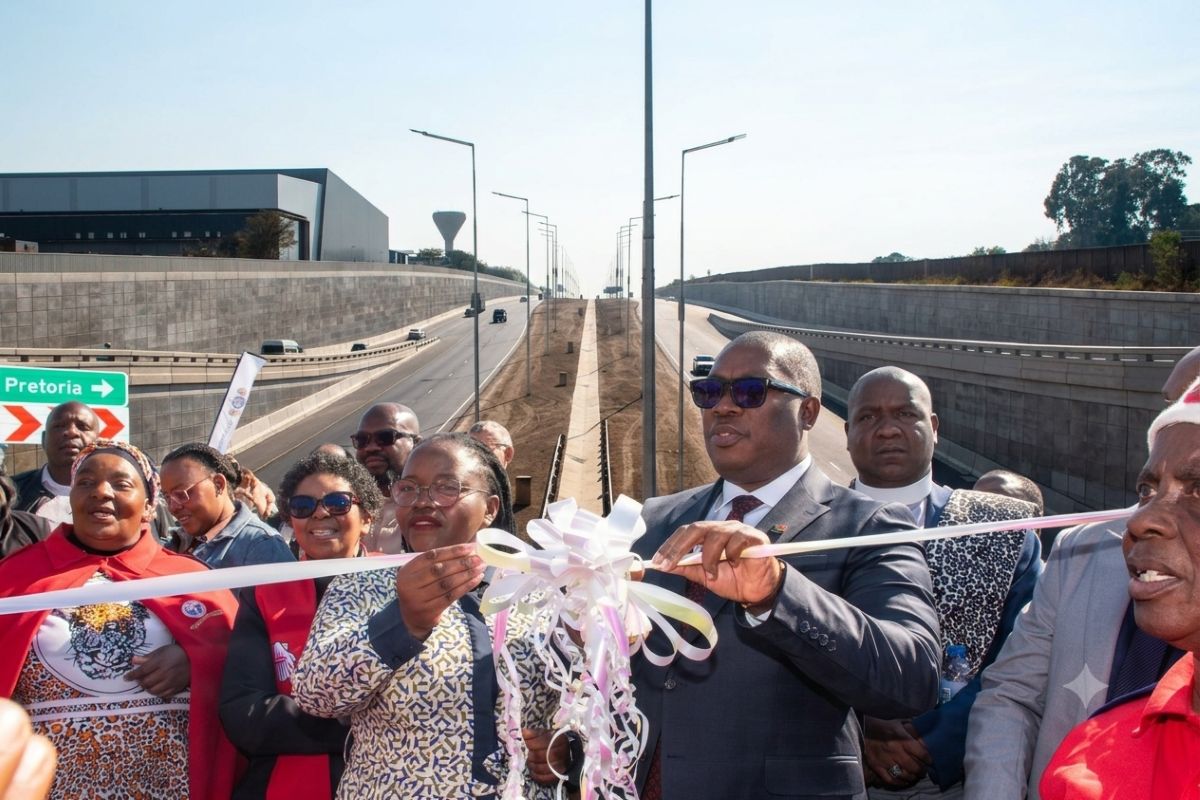
JOHANNESBURG — In a major boost to South Africa’s economic heartland, the Gauteng Provincial Government has officially unveiled the newly upgraded K101 Road (Old Johannesburg Road).
The milestone project marks a strategic intervention designed to alleviate crippling traffic congestion, enhance public safety, and inject much-needed momentum into the regional economy.
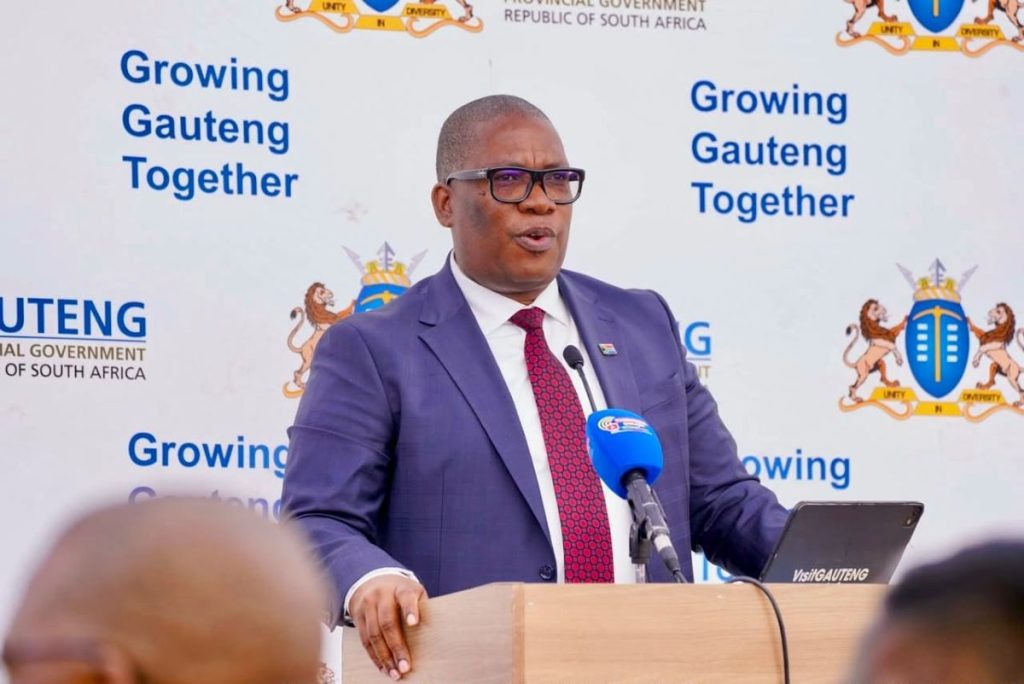
Presided over by Gauteng Premier Panyaza Lesufi and MEC for Roads and Transport Kedibone Diale-Tlabela, the ribbon-cutting ceremony highlights the province’s aggressive pivot toward infrastructure-led growth.
The newly modernized 5.4-kilometer dual-carriageway stretch, running from the D795 Road in Midrand to the N1 at Brakfontein Road, provides a vital, high-capacity alternative to the heavily congested N1 freeway.
A Critical Artery for Commuters and Commerce
The K101 corridor serves as a crucial economic artery linking South Africa’s administrative capital, Tshwane, with its commercial hub, Johannesburg. Over recent years, rapid urbanization and commercial expansion in the Midrand area have pushed the route’s daily capacity to its absolute limits.
According to provincial data, traffic volumes along the corridor skyrocketed from approximately 20,000 vehicles per day to over 30,000 since the project’s inception in October 2022. Crucially, public transport represents nearly 30% of this traffic—underscoring the route’s indispensable role in moving the provincial workforce.
By expanding the road into a dual carriageway and introducing five new traffic signals, upgraded intersections, and three kilometres of modern street lighting, the project aims to significantly slash commuter travel times and reduce the logistics bottlenecks that stymie local businesses.
The Anatomy of the Upgrade
The multi-year project delivered an extensive list of capital assets, signalling a shift toward holistic civil engineering:
| Infrastructure Component | Scope / Deliverable |
| Road Width Expansion | 5.4 kilometres of dual-carriageway conversion |
| Bridge Infrastructure | Three newly constructed bridges |
| Non-Motorized Transport | Nearly 6 kilometres of dedicated pedestrian walkways & cycling lanes |
| Traffic Management | 5 new traffic signals; 2 existing signals upgraded |
| Public Safety & Transit | 3 kilometres of street lighting & newly integrated bus bays |
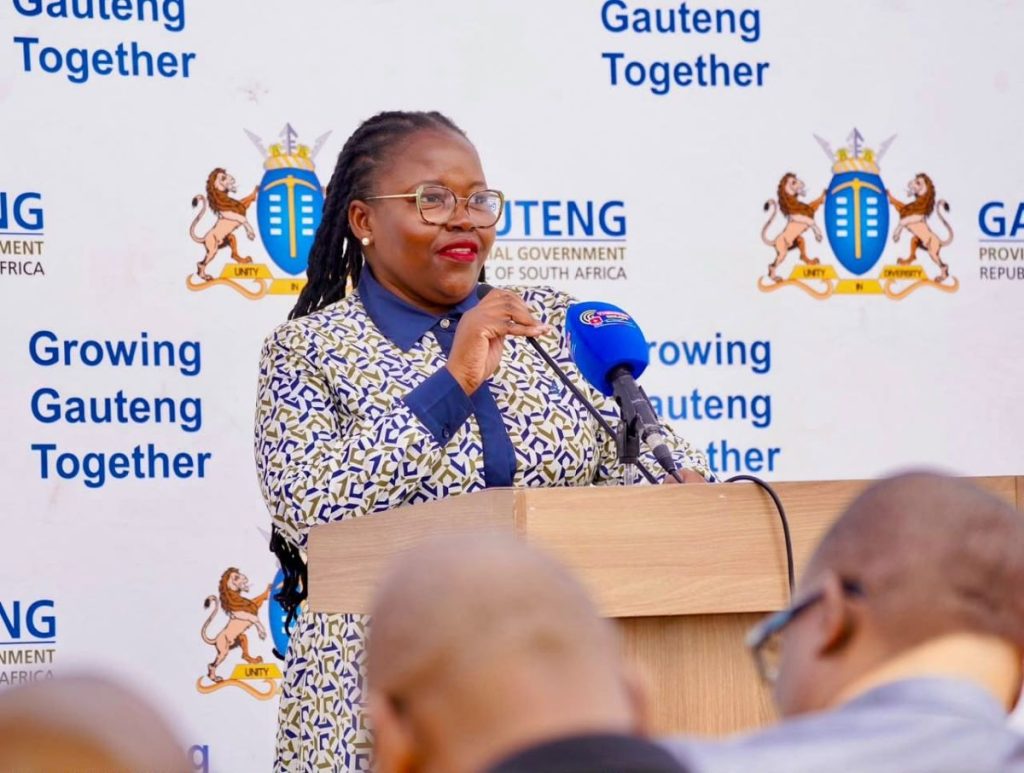
“The K101 Road Upgrade Project stands as a practical demonstration of how infrastructure can change lives,” stated MEC Kedibone Diale-Tlabela. “It is not only about roads, bridges, and traffic signals, but about connecting communities to opportunities, improving mobility, enhancing safety, and supporting economic development.”
Beyond Asphalt: Social Returns on Investment
From an economic perspective, the project’s impact extends far beyond macro-level logistics. Amid stubbornly high national unemployment rates, provincial leadership leveraged the procurement cycle to stimulate local economic empowerment.
During the construction phase, the project prioritized localized labour and emerging contractors. It successfully delivered technical skills training to 127 community members, while 53 individuals participated in targeted development programs aimed at scaling small, medium, and micro-enterprises (SMMEs). Premier Lesufi reinforced that future provincial projects would double down on this model, ensuring that infrastructure spend functions as an active up-skilling tool for Gauteng’s unemployed youth.

Smart Governance and the War on Vandalism
However, building state-of-the-art infrastructure is only half the battle; preserving it remains an ongoing challenge in South Africa’s economic hubs. Recognizing the pervasive threats of cable theft, vandalism, and illegal dumping, Premier Lesufi advocated for a highly integrated municipal approach.
The provincial government plans to complement the physical road upgrades with advanced CCTV surveillance networks and a heightened law enforcement presence. The Premier emphasized that coordinated inter-governmental action is non-negotiable to protect public assets from criminal syndicates. Furthermore, authorities issued a strong call to action for local residents and businesses to act as active stewards of the corridor by promptly reporting illegal dumping and infrastructure damage.
The Bottom Line
As Gauteng positions itself for a post-pandemic economic resurgence, the completion of the K101 upgrade acts as a textbook example of counter-cyclical infrastructure investment. By keeping pace with rapid urban development, reducing the cost of doing business through better logistics, and directly up-skilling the local workforce, the project sets a robust blueprint for future corridor developments across the Republic.