
 By
By 
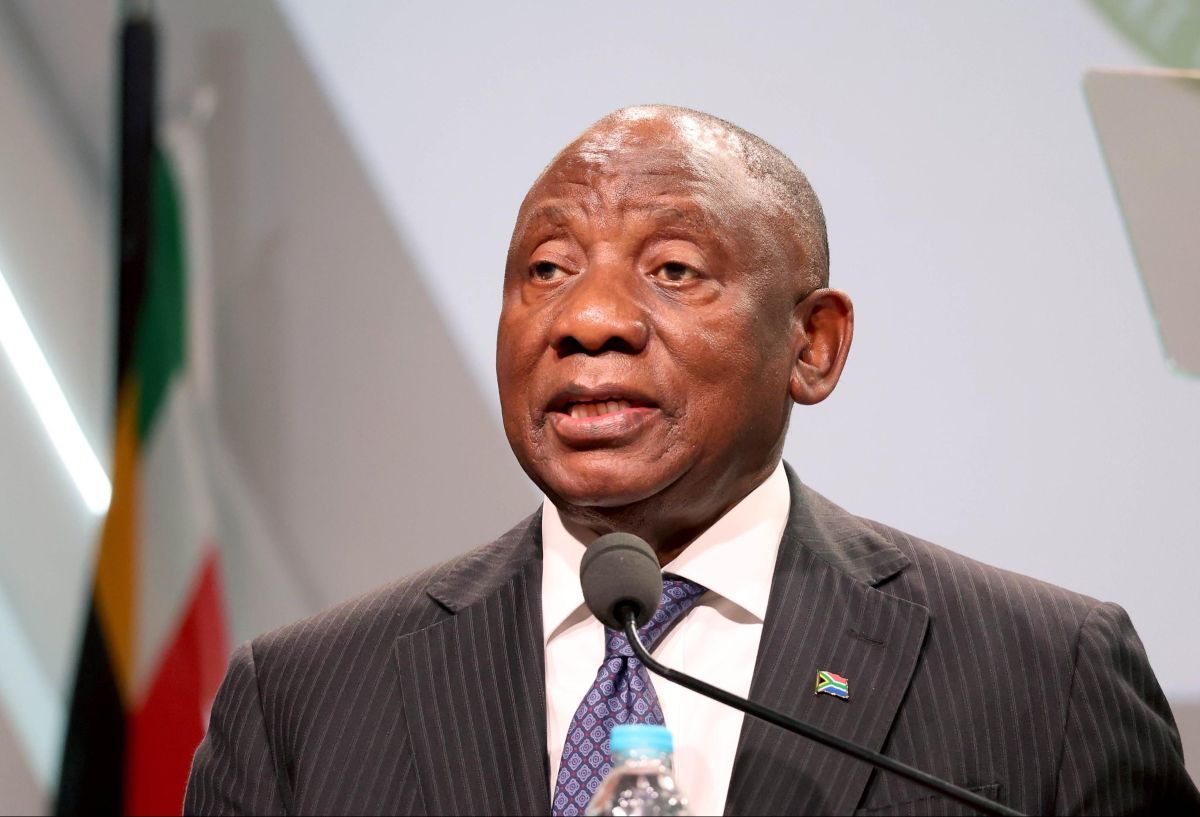
PRETORIA — In a national address delivered on Sunday, June 7, 2026, President Cyril Ramaphosa responded directly to intense public pressure over immigration, unveiling a comprehensive strategy designed to restore order to South Africa’s borders and immigration systems.
Speaking from the Union Buildings in Tshwane, the President acknowledged the deep-seated frustrations brewing across communities, workplaces, and schools regarding illegal immigration, framing it as a direct threat to national security, public service delivery, and economic stability.
“The concerns are real. They deserve to be heard. They deserve to be addressed,” Ramaphosa said, acknowledging that a lack of rigorous law enforcement and systemic corruption have severely eroded public confidence.
A Comprehensive Framework for Control
Seeking to balance firm enforcement with South Africa’s constitutional values, Ramaphosa announced that the Cabinet has adopted a new Comprehensive Approach for Migration Management. Backed by the President’s Coordinating Council, local governments, and traditional leaders, the strategy introduces five core pillars intended to seal policy loopholes and aggressively target unlawful residency and employment.
The five pillars of the new migration strategy include:
- Targeted Crackdowns: Enhancing inspections and rapidly deporting undocumented nationals.
- Border Enforcement: Preventing irregular entry through heightened security infrastructure.
- Stamping Out Corruption: Eradicating the internal graft enabling illegal immigration.
- Legislative Overhauls: Modernizing and tightening fragmented immigration laws.
- Continental Diplomacy: Engaging regional partners to create a unified, sustainable response to forced migration.
Cracking Down on Exploitative Employers and Border Gaps
A primary focus of the government’s immediate response is the labour market. Ramaphosa sharply criticized businesses that knowingly hire undocumented workers to bypass fair labour standards, paying wages well below the legal minimum. To combat this, the Department of Employment and Labour has initiated the recruitment of 10,000 new labour inspectors for the current financial year.
Furthermore, the state will introduce dedicated immigration courts to expedite deportations and implement legislative changes to heavily increase penalties—including imprisonment—for non-compliant employers. “We cannot have a situation where employers… merely pay a fine and continue employing undocumented foreign nationals whom they exploit,” the President warned.
On border security, the administration plans to phase out the existing green ID books—which have historically facilitated identity theft by criminal syndicates—replacing them with an Intelligent Population Register and Digital IDs. The Department of Transport is also scheduled to issue new regulations within three months to stop the abuse of Traffic Registration Numbers as alternative identification.
In a significant operational shift, the government will relocate refugee reception centers directly to border posts, starting with the Tshwane center this year. This measure aims to assess asylum applications immediately at points of entry, ensuring legitimate refugees receive rapid assistance while filtering out economic or irregular migrants.
Balancing Economic Realities and the Rule of Law
The speech heavily addressed the intersection of immigration and domestic economic strain. With South Africa battling persistently high youth unemployment and widespread poverty, Ramaphosa noted that economic frustration often manifests as resentment toward foreign nationals. He pointed to specific tensions surrounding informal economies, where communities argue that foreign-run spaza shops are crowding out local entrepreneurs. In response, the Spaza Shop Fund will be utilized to revitalize and support South African informal businesses.
However, the President was careful to separate structural economic challenges from the presence of foreign nationals, noting that illegal immigration is not the root cause of all domestic fiscal woes. He reaffirmed that South Africa remains a pro-migration nation that relies on legal talent, tourism, and investment to thrive.
“Secure borders are not a sign of hostility towards other countries,” Ramaphosa emphasized. “They are a fundamental requirement of a sovereign and well-governed state.”
Rebuffing Vigilantism and Xenophobia
A central theme of the address was a stern warning against vigilantism, political exploitation, and xenophobia. Ramaphosa stated unequivocally that the authority to enforce immigration laws rests solely with the state. He banned private citizens from conducting arbitrary identity checks, reinforcing that lawlessness will not be tolerated.
The President accused certain political and criminal factions of leveraging legitimate public concerns to incite violence and destabilize the country, adding that intelligence and security structures, including NATJOINTS, have been mobilized to maintain public order.
Concurrently, Ramaphosa announced he will dispatch specialized envoys to several African nations to communicate South Africa’s policy shift and foster regional cooperation via the Southern African Development Community (SADC) and the African Union. The Inter-Ministerial Committee on Migration will head the cross-departmental execution of these domestic policies moving forward.
Ultimately, the President called for national unity, urging citizens to reject hatred and misinformation while holding fast to the country’s foundational constitutional values. “We can protect our borders while protecting human dignity,” Ramaphosa concluded, asserting that South Africa can effectively overcome its current immigration challenges without abandoning the spirit of Ubuntu.