
 By
By 
CAPE TOWN – In a move that marks a decisive shift in Africa’s healthcare landscape, the expansion of the Biovac end-to-end vaccine manufacturing facility in Cape Town is sending a powerful signal to the international community: Africa is rapidly transitioning from a consumer to a producer, innovator, and strategic partner in global healthcare manufacturing.
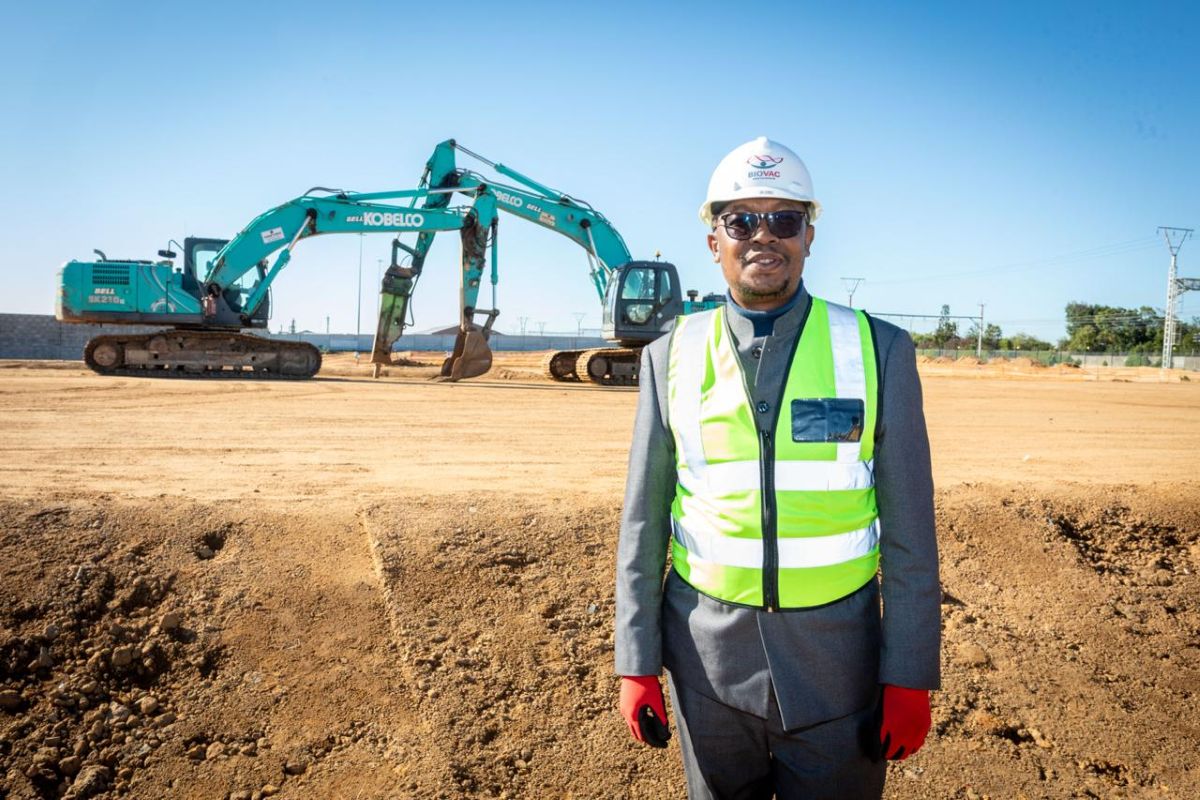
Speaking at the soil-turning ceremony for the facility’s expansion, the Minister of Trade, Industry and Competition, Mr. Parks Tau, highlighted the project as a testament to growing confidence in South Africa’s industrial base, innovation, and long-term economic prospects. The event formed part of the Department’s 2026/2027 Pre-Budget Vote stakeholder engagement programme, designed to showcase the tangible impacts of government-backed industrialisation initiatives, strategic investments, and localisation efforts within high-priority sectors.
Redefining Continental Health Security
The COVID-19 pandemic served as a stark reminder of the vulnerabilities associated with supply chain dependencies. Minister Tau noted that a core lesson from the pandemic is the absolute necessity for Africa to build robust regional manufacturing capabilities across pharmaceuticals, medical devices, In-Device Validation, diagnostics, and vaccines.
“Despite our challenges and high import dependence, South Africa has both the capability and the responsibility to play a leading role in this continental effort,” Tau asserted.
The Biovac expansion project directly addresses these structural vulnerabilities by:
- Deepening local pharmaceutical manufacturing capabilities.
- Expanding advanced production facilities and driving technology transfer.
- Strengthening localized innovation ecosystems.
- Creating highly skilled employment opportunities within the region.
Crucially, this investment aligns with the macro-economic and health frameworks of the African Union (AU), including the Partnerships for African Vaccine Manufacturing initiative and the African Continental Free Trade Area (AfCFTA), which seeks to construct resilient regional value chains. It also directly supports the AU’s Vision 2040 goal, which targets 60% local vaccine production across the continent.
Global Financing and Local Ecosystems
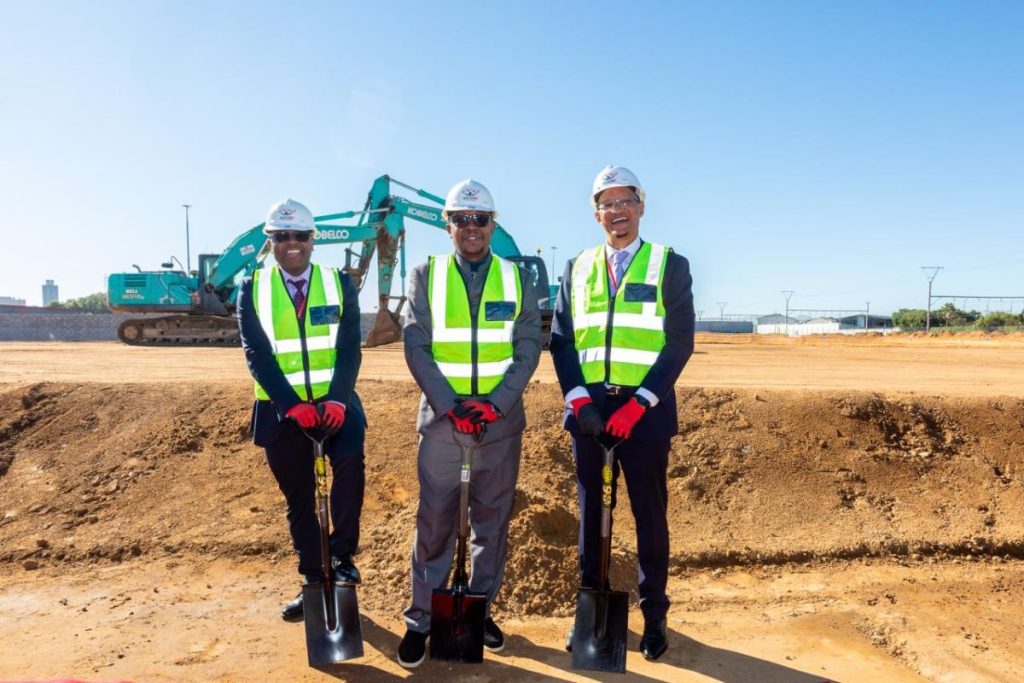
The expansion represents a landmark public-private and international collaboration. Funding and institutional support have been drawn from a high-profile consortium including the European Investment Bank, the International Finance Corporation, Proparco, the Industrial Development Corporation, and the European Commission. The initiative also benefits from GAVI, the Vaccine Alliance, and the African Vaccine Manufacturing Accelerator (AVMA)—a $1.2 billion, 10-year fund dedicated to ensuring the long-term sustainability of African vaccine producers.
A cornerstone of this financing is a €95 million package from Team Europe, marking the largest single financing injection in Biovac’s history. Mr. David McAllister, Chairperson of the European Parliament’s Foreign Affairs Committee, emphasized that this contribution underscores the impact of the European Union’s Global Gateway in fortifying Africa’s health security and reducing external dependencies.
“Beyond financing, this is about transformational impact on skilled jobs, industrial value chains, local beneficiation and EU–Africa private sector partnerships,” McAllister stated.
While global backing is vital, Biovac Chief Executive Officer, Dr. Morena Makhoana, stressed that domestic political will remains irreplaceable. “There is nothing that can replace home-grown support,” Makhoana noted, adding that the South African government’s active involvement demonstrates a local ecosystem fully capable of supporting an end-to-end vaccine manufacturer of international standing.
Macroeconomic Impact and Production Capacity
Biovac was established in 2003 as a partnership between the South African government and the private sector to foster domestic vaccine capabilities. As a flagship project under both the EU-South Africa Comprehensive Trade and Investment Partnership and the Department of Trade, Industry and Competition’s (the dtic) 3D Industrial Policy, this latest expansion translates directly into significant economic and medical output.
| Key Metrics | Project Details |
| Target Completion Date | 2028 |
| Annual Manufacturing Capacity | 30 to 40 million doses |
| Targeted Diseases | Cholera, polio, pneumonia, and meningitis |
| Direct Skilled Jobs Created | Over 340 |
| Indirect Economic Jobs Created | Approximately 7,000 |
By linking aggressive industrial development directly with public health security, South Africa is positioning itself to anchor the continent’s pharmaceutical self-reliance, proving that strategic state support paired with global capital can successfully reshape emerging market manufacturing.