
 By
By 
The current onslaught on illegal migrants in South African by civilian movements trying to rid the country of African illegal migrants has caught the attention of the Human Rights Watch (HRW) which is condemning government for being too lax in intervening.
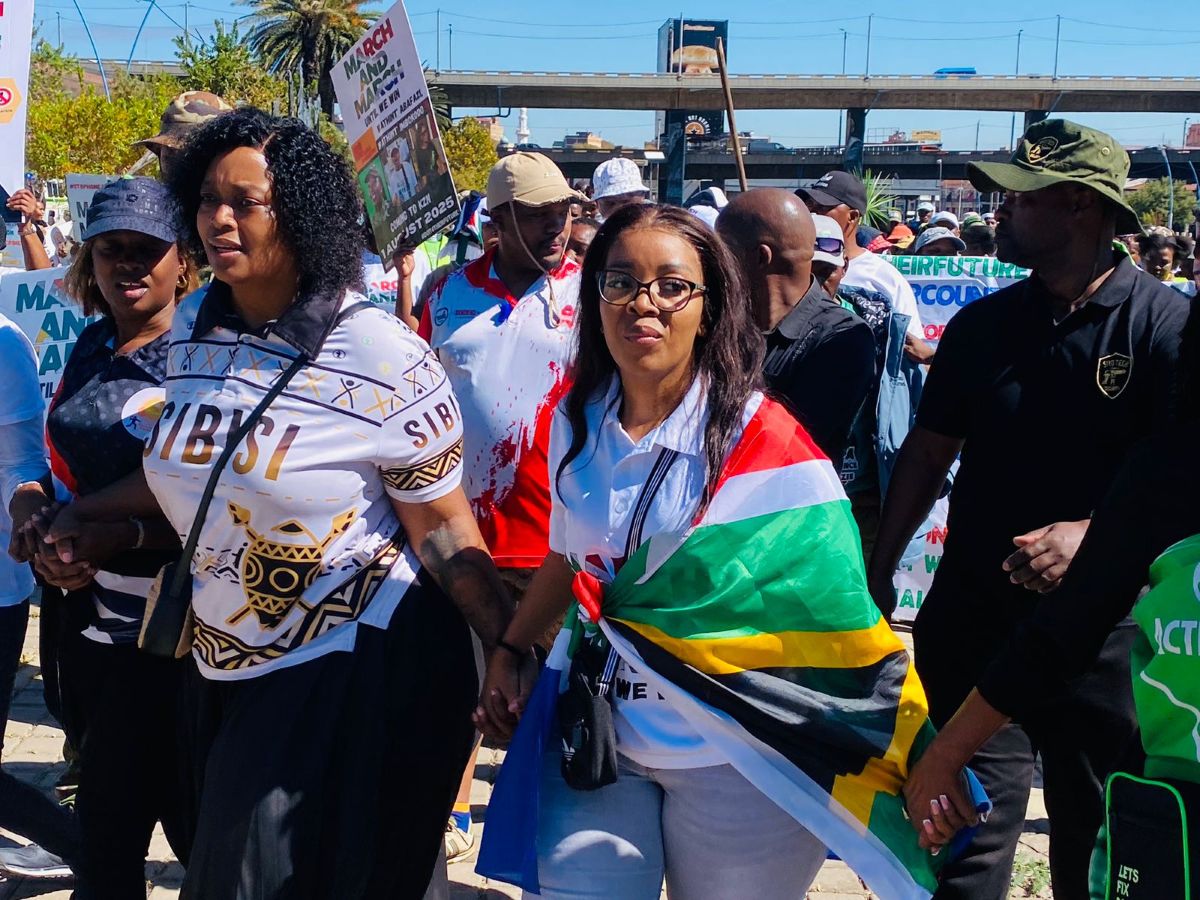
The recent spark of demonstrations against African illegal immigrants by March and March in various provinces of the country has grabbed the attention of the globe, raising serious concerns regarding diplomatic relations with other African countries and South Africa’s image across the globe.
HRW has expressed concern over what it terms violent xenophobic attacks on undocumented Africans and Asians nationals in South Africa. HRW says the attacks have been continuing with little or insufficient intervention from the police and or authorities.
According to HRW, the vigilante groups do enjoy the right to protest as enshrined in the South African Constitution, however, they are not at liberty to harm the aliens within their borders just to make their point.
“South Africa’s constitution and international human rights law protects the right to protest, but that does not include permission to commit violence. The authorities should not allow vigilante groups to violently target foreign nationals and instead need to protect them and bring those who harm them to justice,” said Nomathamsanqa Masiko-Mpaka, South Africa researcher at Human Rights Watch.
Masiko-Mpaka observed that since 2008; when 62 people, including 21 South Africans, 11 Mozambicans, 5 Zimbabweans and 3 Somalis, were killed. She said South Africa has been grappling with intermittent but widespread xenophobic harassment and violence against African and Asian foreign nationals living in the country, whether refugees, asylum seekers, or both documented and undocumented migrants.
She said in a statement, sporadic waves of violence erupted against foreign nationals in 2015, 2019—primarily targeting Nigerian nationals—and 2021 to 2022, with the rise of vigilante groups like Operation Dudula (“force out” in Zulu). Since 2024, the country’s deteriorating socioeconomic conditions, including an unemployment rate of over 43 percent, coincided with the rise of anti-immigrant activism and the formation of newer vigilante groups like March and March.
Masiko-Mpaka says these groups scapegoat foreign nationals as the cause of South Africa’s economic woes, poor service delivery, and high rates of crime, despite studies that disprove these claims.
She says these groups have prevented foreign nationals from accessing health care and education in public facilities. In November 2025, the South Gauteng High Court granted an injunction against Operation Dudula, prohibiting its supporters from blocking migrants access to healthcare facilities.
Mpho Makhubela, a member of the Consortium for Refugees and Migrants in South Africa (CoRMSA) and an activist in the Kopanang Africa Against Xenophobia (KAAX) coalition, noted with concern the opportunistic nature of these groups.
“Vigilante groups feed off the country’s frustrations and socioeconomic rights regression, unemployment, [and] lack of efforts to address the equity gaps that we have as a country. The reality is that the country has been faced with the enormous task of addressing the legacies of apartheid,” said Makhubela.
Nomathamsanqa Masiko-Mpaka has called on authorities to take action and hold the vigilante groups to account for their actions.
“South African authorities should intensify efforts to address anti-immigrant sentiments and violence to ensure the safety and protection of at-risk foreign nationals in the country. Vigilante groups need to be held fully accountable, including through effective criminal prosecutions,” she said.