
 By
By As South Africa’s aerospace and defence sector navigates a complex global landscape, the mandate for the industry’s next two decades is clear: economic growth and transformation cannot be treated as separate tracks.

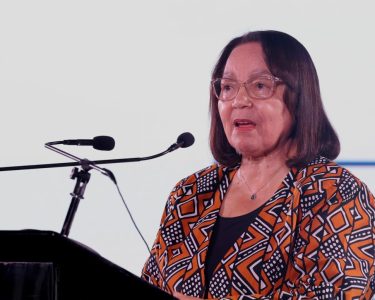
Speaking at the 20-year commemoration of the Aerospace Industry Support Initiative (AISI) at the Waterkloof Airforce Base during the 2026 Africa Aerospace and Defence exhibition, Minister of Trade, Industry and Competition Parks Tau underscored that meaningful transformation must anchor the sector’s developmental agenda.
Two Decades of Strategic Impact
Established by the Department of Trade, Industry and Competition (the dtic) and managed through the Council for Scientific and Industrial Research (CSIR), the AISI has spent the last twenty years strengthening the competitiveness, sustainability, and innovative capacity of South Africa’s local industry.
The agency’s track record demonstrates its vital role in the national economy. Over the past decade alone, the AISI has achieved significant milestones:
- Enterprise Support: Backed 142 small and medium enterprises (SMEs).
- Job Creation: Helped create and sustain more than 1,236 jobs.
- Innovation: Enabled the development of 148 new technologies and products.
- Global Standards: Assisted local firms in securing 49 international certifications and standards.
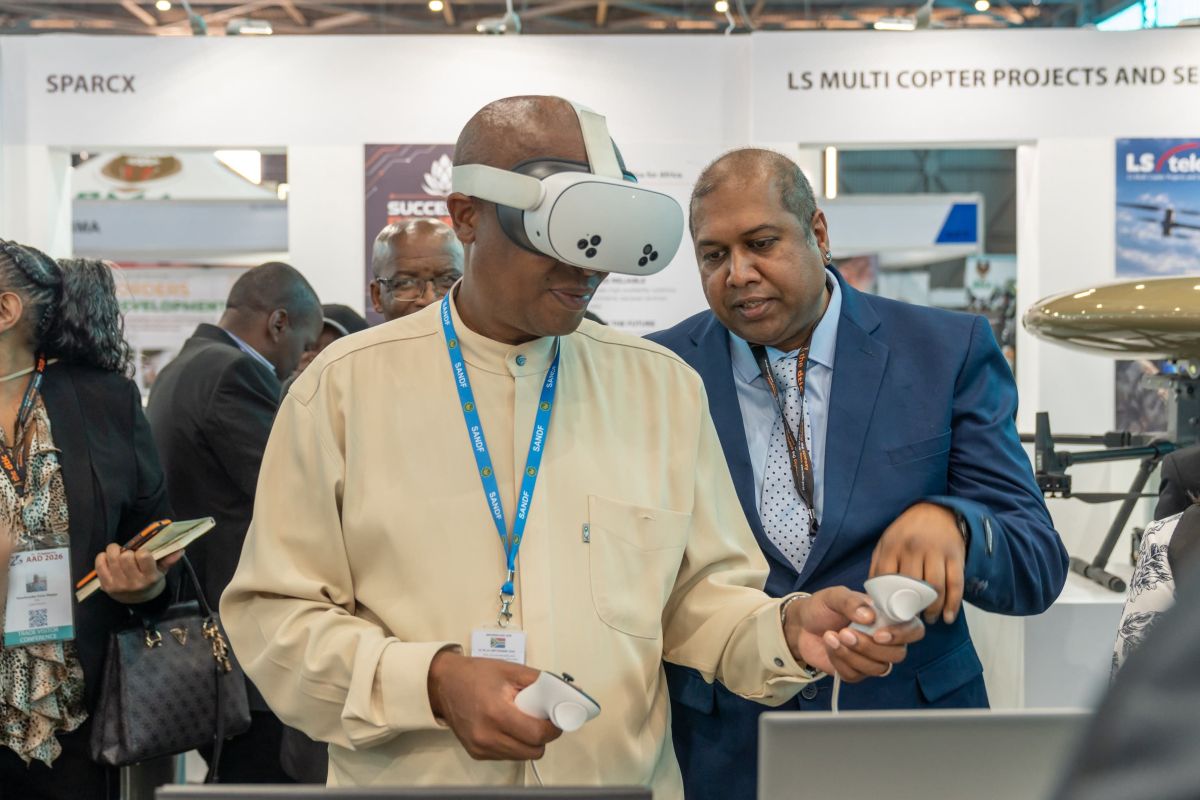
At the AAD 2026 exhibition, the dtic further amplified these efforts by funding supported companies to showcase their cutting-edge capabilities, products, and technologies on an international stage.
Breaking Down Structural Barriers
Despite these operational successes, Minister Tau pointed out that structural roadblocks continue to hinder broader participation. Because aerospace and defence are traditionally capital-intensive, heavily regulated, and marked by long-standing ownership concentrations, breaking into the market remains a formidable challenge for new entrants.
“Transformation matters here more than in most sectors, precisely because aerospace and defence have always been among the hardest industries to enter. Capital intensity, certification requirements and decades of concentrated ownership have kept these industries largely closed to black entrepreneurs and emerging enterprises.
If we do not deliberately open that door, the next twenty years will simply repeat the exclusions of the last,” Minister Tau emphasized.
Preserving sovereign industrial capability, advancing dual-use technologies, and up-skilling critical technical talent are fundamental to national security and global competitiveness. However, achieving these goals requires dismantling historical exclusions to ensure the sector reflects South Africa’s broader demographics.
Building a Pipeline of Black Industrialists
To address these hurdles proactively, institutional policy is shifting from passive participation to active enablement. Currently, the AISI mandates that the firms it funds maintain at least a Level 4 B-BBEE status.
Through these targeted mechanisms, the agency is deliberately cultivating a new generation of black industrialists, innovators, and technologists. By equipping emerging enterprises with the technical backing, compliance standards, and market access required to thrive, South Africa is ensuring that its aerospace and defence sector can compete vigorously both locally and globally.
As the AISI looks beyond its twentieth anniversary, the integration of inclusive industrial policy into high-tech manufacturing proves that economic transformation is not merely a social obligation—it is an absolute economic prerequisite for sustainable national progress.