
 By
By Johannesburg — As health systems worldwide mark World Patient Safety Day on September 17, 2026, the Gauteng Department of Health (GDoH) has stepped forward to reaffirm its core promise: that patient safety remains the undisputed bedrock of public healthcare delivery across the province.
This year’s global observance focuses on the theme “Safe Care for Noncommunicable Diseases”. The theme casts a necessary spotlight on the management of chronic conditions such as diabetes, hypertension, cardiovascular diseases, cancer, and respiratory illnesses.

Because these health challenges require continuous, lifelong management, regular medication, and sustained clinical monitoring, building resilient systems that minimize risk and optimize long-term health outcomes has never been more urgent.
Strengthening Systems from Clinic to Hospital
To turn this vision into daily reality, the GDoH is heavily investing in structural and systemic upgrades across its public health facilities. Provincial health authorities are actively reinforcing safety standards through a multi-pronged approach that includes:
- Clinical governance programmes designed to hold care delivery to rigorous professional benchmarks.
- Infection prevention and control measures to safeguard vulnerable patients within hospital wards.
- Medication safety initiatives aimed at eliminating dispensing errors at every stage of the pharmaceutical pipeline.
- Targeted staff training and quality assurance systems to keep personnel aligned with evolving medical best practices.
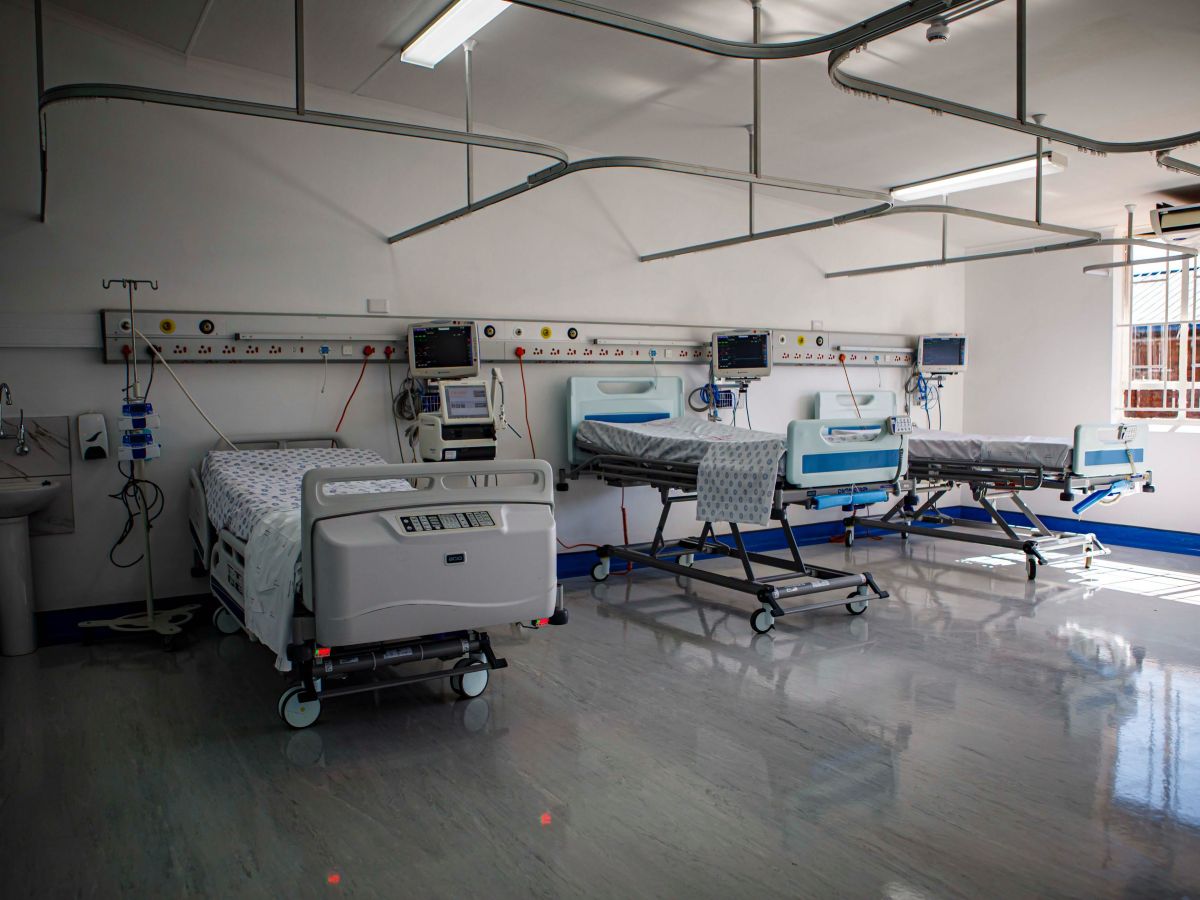
- Strategic investments in infrastructure and technology to ensure clinics and specialized units are equipped for safe, modern care.
Whether a patient is stepping into a local clinic for routine chronic management or arriving at an emergency trauma unit, the department emphasizes that safety must guide every clinical decision.
Cultivating a Culture of Transparency
While milestones have been reached, health officials openly acknowledge that maintaining safety is an ongoing journey. Incidents in complex healthcare environments can manifest in various ways, ranging from treatment delays and diagnostic challenges to communication breakdowns, patient falls, and equipment failures.
Rather than sweeping challenges under the rug, the GDoH is championing an open culture where adverse events or near-misses are reported without fear. By thoroughly investigating incidents, healthcare teams are encouraged to ask critical questions—what happened, why it happened, and what systematic changes are necessary to ensure it never recurs.
A Shared Responsibility
True healthcare safety, however, extends beyond the walls of the consultation room. The department is reminding communities that keeping patients safe is a collaborative partnership. Patients, families, and caregivers play an active role by understanding their treatment plans, adhering strictly to prescribed medications, providing accurate medical histories, and raising immediate concerns if something feels amiss.
As the GDoH looks beyond World Patient Safety Day, it emphasizes that safety is not a seasonal campaign observed only in September. Instead, it lives in every properly dispensed medicine, every averted infection, and every compassionate interaction across Gauteng’s wards, theatres, and clinics.