 By
As the global agricultural landscape faces rising complexities, shifting geopolitical priorities, and tightening trade regulations, South Africa’s macadamia industry stands at a critical crossroads.
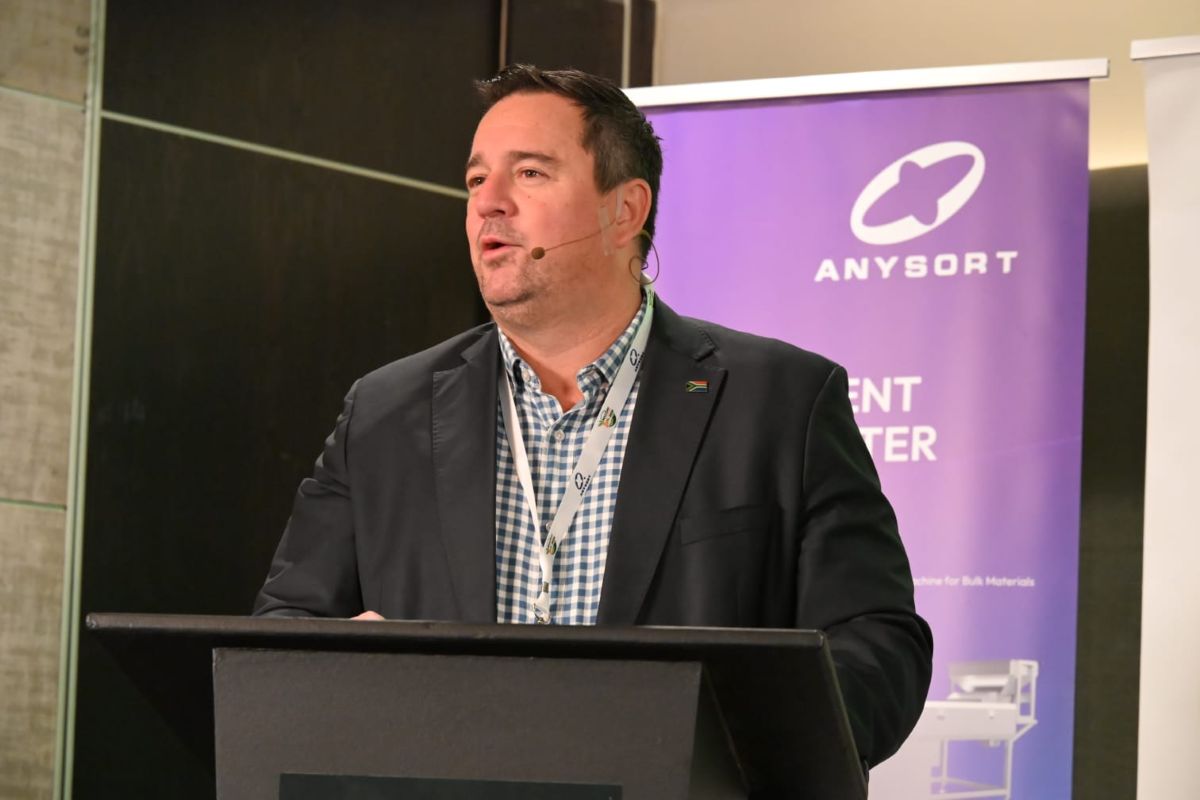
Speaking at the Macadamias South Africa (SAMAC) MacDay on the Road 2026 event in Umhlanga, KwaZulu-Natal, Deputy Minister of Trade, Industry and Competition John Steenhuisen issued a clear mandate: government and industry must work hand in hand to construct a more robust, competitive, and inclusive enabling environment.

The event, part of a regional engagement programme taking key industry discussions directly to growers across major macadamia-producing areas this September, served as a platform to address the core macroeconomic and structural bottlenecks holding back South Africa’s booming tree-nut sector.
Navigating an Increasingly Complex Global Trading Environment
Opening his address, Steenhuisen underscored that the international trading environment is undergoing structural shifts, with nations worldwide paying heightened attention to food security, supply-chain resilience, strict regulatory standards, and domestic economic interests. For an export-oriented agricultural powerhouse like South Africa, complacency is no longer an option.
“South African agricultural exporters cannot take anything for granted anymore. We need to deepen existing trade relationships while identifying new markets and opportunities for South African goods and services,” Steenhuisen stated.
Market diversification remains a top strategic priority. To maintain its competitive edge, the sector must closely monitor rising international demand, adapt to evolving consumer preferences, expand South Africa’s global market share, and aggressively tackle structural export barriers.
Highlighting past milestones, Steenhuisen pointed to collaborative efforts in opening the Chinese market to South African cherries as a prime example of how effective public-private synergy on sanitary, phytosanitary, and tariff requirements can yield tangible export triumphs.
Fair Competition and the Tariff Hurdle
While international demand for South African macadamias remains robust, domestic growers face severe headwinds regarding price competitiveness driven by adverse tariff conditions. Steenhuisen specifically cited India as a critical market where restrictive tariff barriers continue to constrain growth.
Rather than seeking hand-outs or artificial protections, the industry is demanding a level playing field. “We are not asking for special favours, we’re not asking for special treatment. I think what I hear the industry saying is that we want to be able to just compete on a fair and equal basis with our competitors around the world and then let our quality and our product speak for itself,” Steenhuisen emphasized.
In response, the Department of Trade, Industry and Competition (the dtic) has committed to actively leveraging South Africa’s broader trade and diplomatic frameworks to negotiate improved tariff structures. These efforts run parallel to continuous support aimed at shielding established growers while paving open pathways for new entrants and small-scale farmers.
“What government needs to do is look at ways in which we can create a much better enabling environment for you to unleash your talents, your abilities, your innovations in pursuit of growing the sector,” he added.
Infrastructure, Logistics, and Port Efficiency
No conversation about South African agricultural exports is complete without addressing logistics. Supply chain bottlenecks and port efficiencies remain existential threats to the timely delivery of perishable and high-value agricultural commodities to international buyers.
Steenhuisen identified logistics as a vital pillar of export competitiveness, signalling that the newly established public-private partnership at the Port of Durban presents a golden opportunity to streamline the flow of goods, lower transaction costs, and bolster export-led economic growth.
Five Pillars for Future Growth
Looking toward the horizon, Steenhuisen outlined five strategic priorities designed to fortify the public-private partnership between government and the macadamia value chain:
- Productivity: Boosting yields and farm-level efficiencies through aggressive mechanisation, advanced breeding techniques, biological inputs, and precision agricultural technologies like drones.
- Quality: Upholding stringent, consistent quality controls and uncompromising food safety standards to safeguard the world-class reputation of South African macadamias abroad.
- Market Access, Diversification, and Tariffs: Expanding geographic footprints and dismantling tariff and non-tariff barriers in key international economies.
- Value Addition: Transitioning from raw exports to capturing higher margins through domestic processing, manufacturing, innovation, marketing, and brand development—such as expanding into value-added derivatives like macadamia oil.
- Inclusion and Sustainability: Ensuring that the sector’s economic benefits are broadly distributed, creating sustainable opportunities for new generations of farmers and rural communities.
“The theme running through today is ultimately making better decisions for the future,” Steenhuisen noted. “Better decisions in the orchard, water, research and technology, processing, quality, markets and better decisions about how we build an agricultural economy in which more South Africans can participate.”
An Open Door for Industry Collaboration
Reiterating the dtic’s unwavering support, Steenhuisen stressed that the macadamia sector is positioned to play an indispensable role in South Africa’s broader agricultural and agro-processing future. He extended an open invitation to growers, processors, researchers, industry associations, and investors to collaborate closely with the state.
“There’s an open door to address constraints, to unlock opportunities, but also to work together to strengthen the conditions that will make it easier for all of you to be able to contribute, grow, and most importantly, profit from these endeavours,” Steenhuisen concluded.
As SAMAC’s MacDay on the Road continues its regional tour through September, the emphasis shifts from dialogue to execution—urging stakeholders to convert strategic insights into practical actions that will cement South Africa’s status as a global leader in the macadamia industry.