 By
By As the global energy transition accelerates, South Africa stands at a critical crossroads. The commercialisation of green hydrogen is shifting from conceptual ambition to industrial reality, and the country is vying for a prominent position on the international stage.
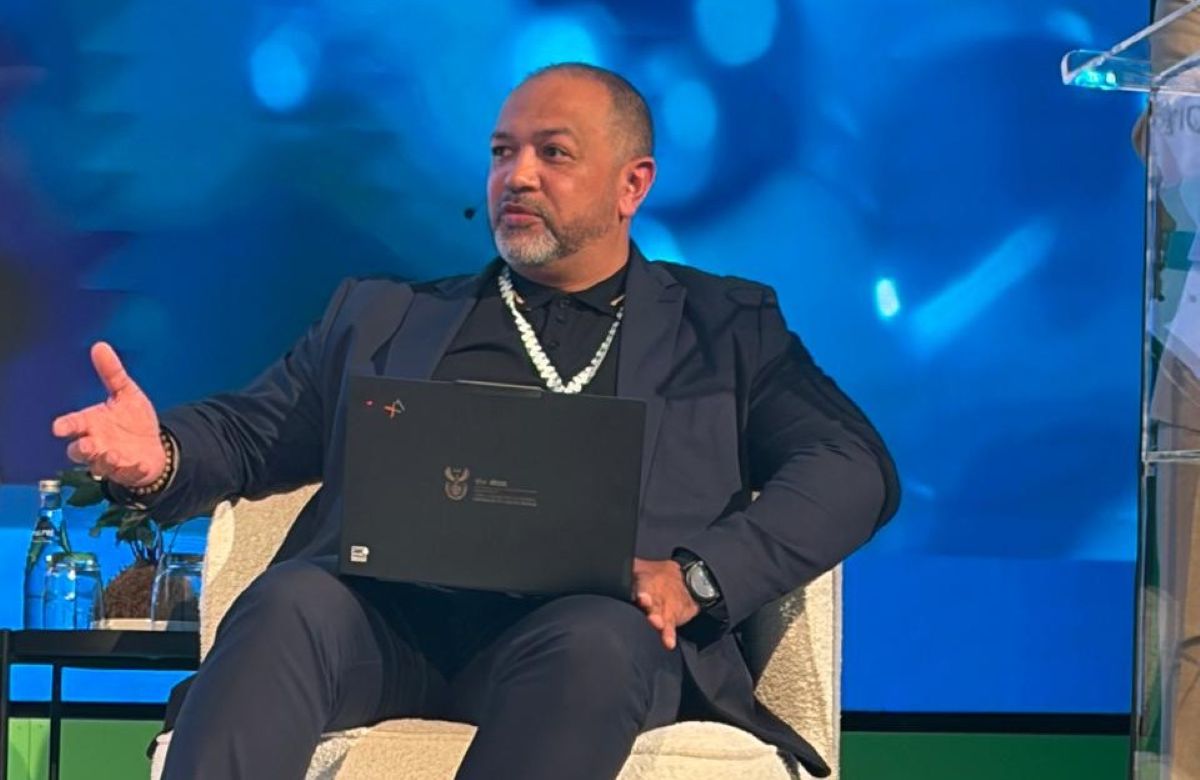
According to Mr. Shaun Moses, the Acting Chief Director of Special Economic Zones (SEZs) at the Department of Trade, Industry and Competition (the dtic), Special Economic Zones are poised to play a transformative role.

Speaking during a panel discussion on SEZ policy at the Africa Green Hydrogen Summit in Cape Town, Moses emphasized that SEZs can create the integrated, investment-ready environments necessary to anchor hydrogen production, beneficiation, manufacturing, logistics, and their associated value chains.
The Strategic Framework of SEZs
The South African SEZ programme has long served as a cornerstone of industrial policy, designed to stimulate investment attraction, support local manufacturing, and foster broad-based industrial growth. However, as the hydrogen economy demands unprecedented levels of coordination and capital, the criteria for success are evolving.
Moses pointed out that fiscal incentives alone will not guarantee the competitiveness of green hydrogen projects. Instead, long-term viability will rely on a synchronized ecosystem of enablers:
- Purpose-built infrastructure tailored to heavy industrial needs.
- Reliable renewable energy generation and transmission networks.
- Seamless access to ports and integrated logistics corridors.
- Industrial clustering that brings together suppliers, producers, and downstream users.
- Streamlined regulatory frameworks driven by effective coordination across national, provincial, and municipal government tiers.
By bringing these elements together under one roof, SEZs function as strategic shock-absorbers, dramatically reducing project development risks for early movers and global investors.
Financial Competitiveness and the Incentive Advantage
To attract risk-averse capital in a competitive global market, South Africa’s SEZ framework leverages a robust package of financial and structural interventions. These mechanisms are specifically engineered to lower both capital expenditures (CAPEX) and operating expenditures (OPEX).
At the heart of this offering is a targeted incentive structure that includes a competitive 15% corporate tax rate, alongside strategic customs and Value-Added Tax (VAT) benefits. Beyond tax relief, the true power of the SEZ model lies in its capacity to foster industrial clustering.
By grouping enterprises together, zones can organically spawn downstream industries centred on green hydrogen, green ammonia, green steel, and other essential low-carbon commodities.
“If South Africa is serious about becoming a global green hydrogen player, we must move beyond incentives alone,” Moses noted. This sentiment underscores a broader institutional shift: fiscal packages are vital door-openers, but sustainable industrialisation requires deep structural integration.
Aligning National Strategy with Spatial Realities
The push for green hydrogen integration directly supports South Africa’s overarching Industrial Development Strategy, which prioritizes domestic industrialisation and mineral beneficiation. Simultaneously, it feeds into the nation’s Spatial Industrial Strategy, which focuses on forging new industrial growth nodes linked directly to high-capacity ports, rich renewable energy resources, and strategic logistics corridors.
Because green hydrogen production requires vast amounts of renewable power and immediate access to export-oriented shipping routes, aligning industrial zones with coastal geography and energy infrastructure is non-negotiable.
Moving Toward a Hydrogen Industrial Hub Model
Looking ahead, the dtic envisions an evolution beyond the traditional, generic SEZ framework. Moses outlined the next-generation opportunity for the country: transitioning toward a dedicated Hydrogen Industrial Hub model.
This advanced model seeks to supercharge standard SEZ benefits by integrating:
- Production incentives tailored to alternative energy vectors.
- Infrastructure guarantees to secure water, power, and transport needs.
- Accelerated permitting mechanisms, such as fully operational one-stop shops that slash red tape.
- Localisation support to ensure domestic communities and businesses capture maximum value from the value chain.
Implementing this targeted vision would elevate South Africa’s status. It would transform the country from a mere exporter of raw green molecules into a globally competitive manufacturing and beneficiation powerhouse capable of servicing the entire international hydrogen value chain. As global markets race toward decarbonisation, South Africa’s SEZs may well prove to be the crucible where its clean-energy future is forged.