
 By
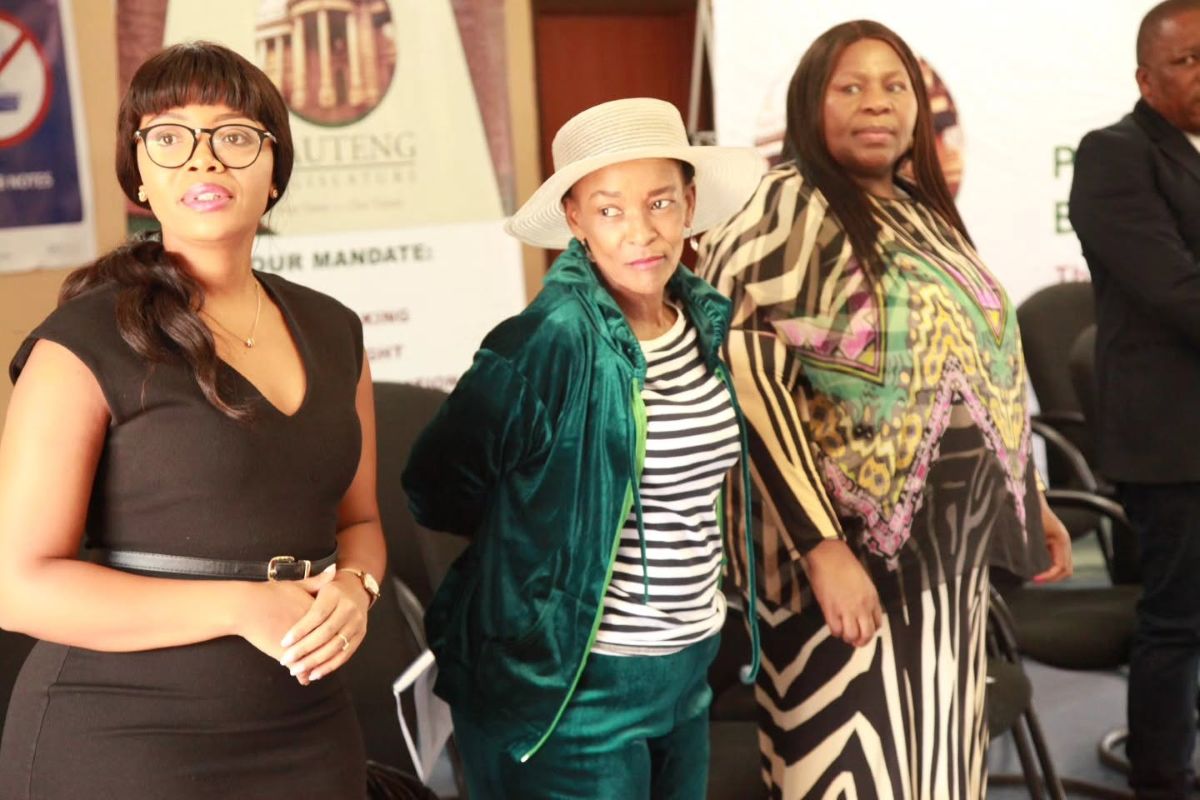
By The discovery of several women’s bodies in and around Ekurhuleni has sent shockwaves through communities, prompting the Gauteng Provincial Legislature’s Multi-Party Women’s Caucus (MPWC) to issue an uncompromising demand for systemic safety reforms.

As investigations unfold, this grim sequence of events has re-ignited a national anguish over the persistent crisis of Gender-Based Violence and Femicide (GBVF), exposing the yawning gap between constitutional guarantees and the daily realities faced by women.
In a political climate where statements of condolence often substitute for structural change, the MPWC’s recent intervention cuts a sharper edge. The Caucus has made it clear that safety is not a luxury or a negotiable policy preference—it is a fundamental prerequisite for a functioning society.
The Right to Mobility Without Fear
At the heart of the Caucus’s message is a stark reminder of the limitations placed on women’s daily existence. The ability to take a walk, go for a run, or utilize public spaces without scanning the horizon for threats is a freedom routinely denied to millions. When public spaces become sites of lethal hazard, the social contract breaks down entirely.
Political analysts have long argued that the safety of women serves as a primary barometer for community health and institutional competence. By framing these recent tragedies not merely as isolated criminal acts, but as a collective societal failure, the MPWC is pushing the conversation from reactive policing toward proactive community design.
A Blueprint for Accountability
Moving past rhetoric, the Caucus has outlined concrete demands requiring immediate inter-governmental and community synchronization:
- Elevated Law Enforcement Presence: A visible, strategic increase in police patrols across identified vulnerable zones to deter opportunistic crimes.
- Zero-Delay Responses: Immediate and rigorous action on missing persons reports, eliminating the bureaucratic lags that historically endanger lives.
- Empowered Community Policing: Enhanced collaboration between local law enforcement, municipalities, civil society organizations, and grassroots neighborhood initiatives.
- Shifting the Narrative: A steadfast cultural and institutional emphasis that places the burden of responsibility squarely on perpetrators, completely discarding victim-blaming tropes.
A Collective Test for the State
The political challenge moving forward is execution. South Africa possesses some of the most progressive legislative frameworks regarding women’s rights globally, yet implementation at the municipal and provincial levels frequently stumbles due to resource constraints, institutional inertia, and fragmented coordination.
The MPWC has positioned itself as a watchdog, pledging to keep the safety, dignity, and rights of women at the very centre of public policy. However, pressure from the legislature alone will not suffice. For the families mourning in Ekurhuleni—and for the broader citizenry watching anxiously—the test of this moment will be whether state machinery and community resolve can permanently alter a landscape where women’s lives are treated as disposable.
As the MPWC aptly concludes, women’s safety is non-negotiable. The question now is whether the political will matches the gravity of the crisis.