
 By
By In an era defined by rapid technological disruption and shifting labour markets, the true measure of an economy’s resilience lies in its ability to harness its greatest asset: its youth. Across South Africa, the narrative of youth unemployment often focuses on structural barriers and stagnant growth.

However, a quiet economic revolution is taking root on the West Rand, proving that targeted skills development can turn marginalization into momentum.
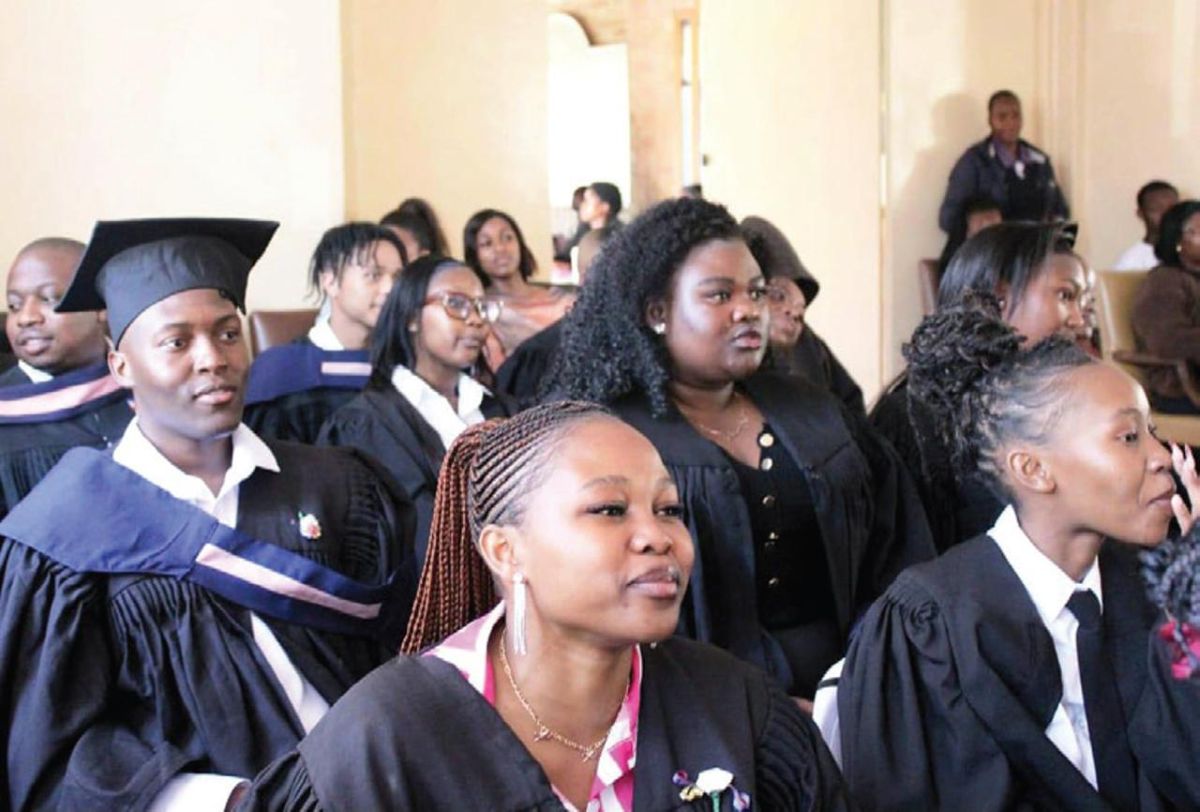
Recently, more than 40 young people from the Philani Community Development Centre stepped forward to receive certificates in End-User Computing and Artificial Intelligence (AI) at a graduation ceremony held in Zuurbekom.
Funded by the Gauteng Department of Social Development and backed by strategic multi-sector partnerships—including the Rand West City Local Municipality, South Deep Mine, and the Department of Economic Development—this initiative represents a vital blueprint for grassroots economic inclusion.
Equipping the Workforce of Tomorrow
Founded by Phylis Malope, the Philani Community Development Centre has evolved from supporting vulnerable children into a dynamic engine of technical education and social empowerment. Recognizing that modern productivity requires more than traditional labour readiness, the centre tailored its curriculum to meet the demands of the fourth industrial revolution.
The training programs in End-User Computing and AI are intentionally designed to elevate digital literacy, sharpen critical thinking, and expand productivity metrics for participants drawn from surrounding areas like Simunye, Protea Glen, Bekkersdal, Westonaria, Borwa, and Glenhavie.
Furthermore, by branching out into specialized technical trades—such as training 25 students in electrical and solar installation—the centre is aligning community capabilities with high-demand sectors driving green energy and infrastructure.
Turning Stagnation into Strategy
For many participants, the journey from economic inactivity to certified capability is deeply personal. Mosa Rabothata’s story mirrors that of countless ambitious young South Africans. Facing severe financial constraints that halted his dreams of pursuing Supply Chain Management, Mosa found himself confined to staying at home and roaming the streets.
Discovering the Philani Community Development Centre at a local youth expo changed the trajectory of his life.
“Now I have something to attach to my CV, which I did not have before. I have hope because I have gained a skill instead of just staying at home,” Mosa shares.
His testimony underscores a critical economic reality: bridging the gap between talent and opportunity requires accessible, localized intervention that lowers the barrier to entry into the digital economy.
A Macroeconomic Imperative
From an economic perspective, community-led NPO initiatives like Philani act as vital economic stabilizers. By transforming idle human capital into skilled contributors, these programs reduce socio-economic vulnerability while expanding the local tax and productivity base.
When youth are equipped with AI literacy, computing competence, and technical trades, they are no longer just passive observers of economic growth—they become active agents capable of attracting investment, fuelling micro-enterprises, and adapting to an evolving marketplace.
The success of the Philani graduation serves as an inspiring reminder that sustainable economic development begins at the community level. By bridging the digital divide and replacing exclusion with empowerment, these young graduates are not only building futures for themselves—they are laying the foundation for a more competitive and inclusive economy.