
 By
By Gauteng’s Department of Sport, Arts, Culture and Recreation has delivered a strong report card for the 2025/26 financial year, securing an unqualified audit opinion and achieving a significant portion of its predetermined objectives.

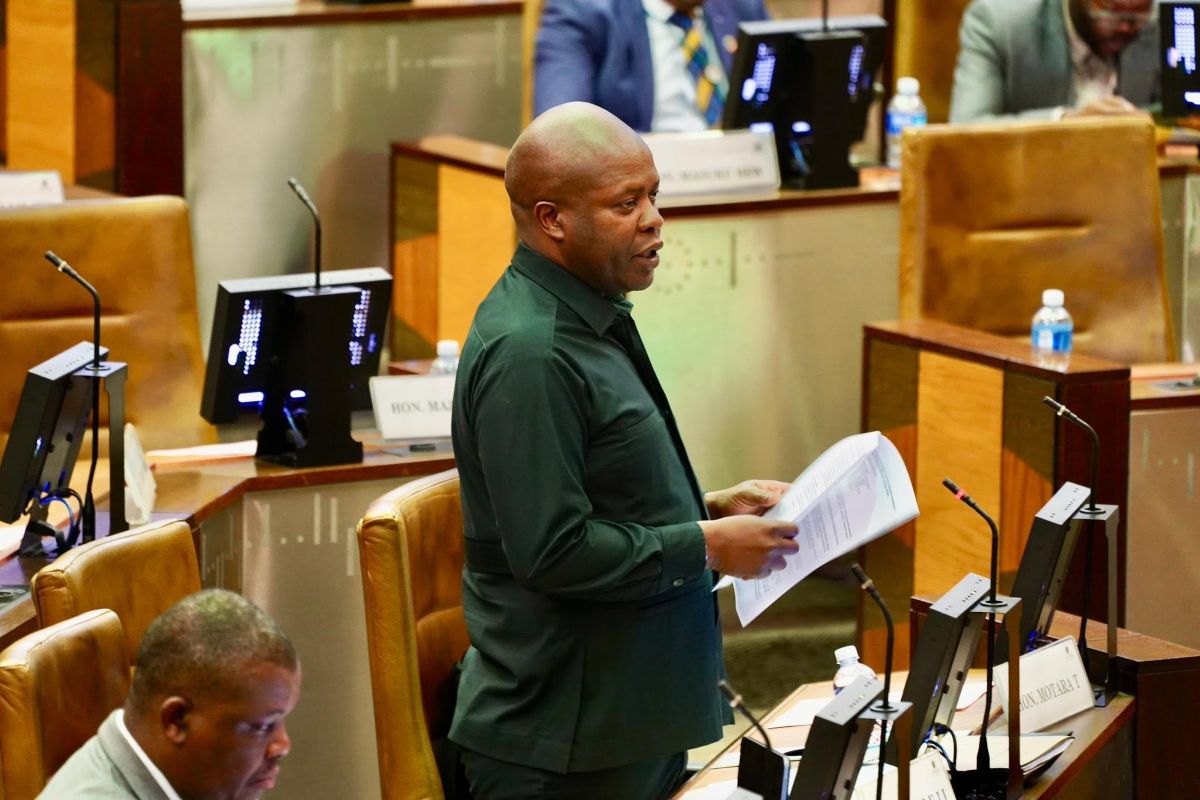
Tabling the annual report at the Gauteng Legislature, MEC Lebogang Maile praised the department’s commitment to prudent financial management, clean governance, and accountability.
The department’s financial discipline underpinned a massive outreach effort, rolling out approximately 1,852 programmes and initiatives. These interventions reached more than 108,000 participants across the province through 43 targeted training programs, reinforcing the state’s capacity to deliver essential social infrastructure.
Driving Inclusive Economic Growth and the Creative Economy
A central focus of the department’s recent tenure has been aligning with the Gauteng 2024–2029 Medium-Term Development Plan, particularly concerning job creation and inclusive economic growth. By injecting over R20 million into 21 major arts and culture events across the province’s five corridors, the department has played a pivotal role in reviving the local gig economy.
- Market Access: Facilitated 15 distinct market access opportunities, benefiting 366 individual creatives.
- Technical Upskilling: Provided 306 young creatives with specialized technical training in sound engineering, lighting, production management, and arts administration.
- Elite and Mass Sport: Backed 12 major sporting events, two international rugby test matches, and six elite women’s sport programmes, pumping millions back into the provincial economy through athletics, football, golf, boxing, and marathons.
Grassroots Development in Schools and Communities
Beyond elite events, the department maintained a heavy footprint in community and school-level development. Support was extended to 510 schools via integrated arts and culture programmes, while 524 schools received essential sports and recreation equipment and attire. Inter-school leagues, tournaments, and code-specific competitions in football, basketball, tennis, rugby, gymnastics, swimming, and athletics collectively reached 19,224 learners. Furthermore, 25 club development training programmes benefited 529 individuals, and six dedicated sport academies received vital equipment.
In the realm of library and archival services, the department allocated R221,303,000 to municipalities to ensure steady local delivery. Digital inclusion also took a step forward as 35 community libraries were upgraded with modern technology via the Mzansi Libraries Online Programme, alongside 75 reading initiatives that engaged over 7,000 participants.
Infrastructure Hurdles and Future Flagships
Despite the celebratory tone of an unqualified audit, MEC Maile did not shy away from structural challenges. He candidly noted that persistent infrastructure backlogs at sport facilities, community libraries, and arts centres continue to bottleneck public participation. With public demand rapidly outpacing resources—especially in township and rural regions—closing these gaps remains a pressing priority.
Looking ahead, MEC Maile announced the revival of key cultural fixtures designed to foster provincial pride and tourism. The iconic Gauteng Carnival and the Gauteng Sports Awards are both set to return, aimed at celebrating local athletes, coaches, and creative talent while driving localized economic stimulation.