
 By
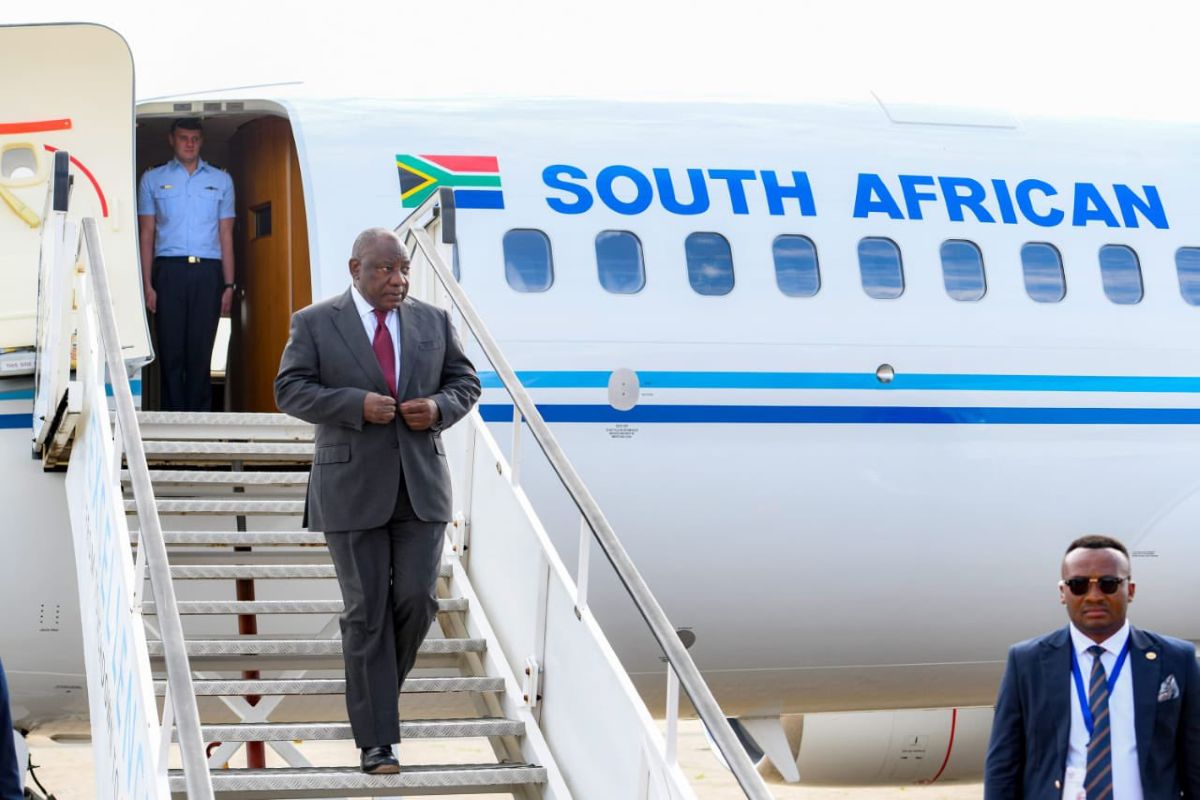
By As global trade fragmentation and geopolitical friction mount, President Cyril Ramaphosa is set to travel to New Delhi for the 18th BRICS Summit, where South Africa will push a robust agenda centred on intra-bloc commerce, industrialisation, and institutional reform of the global financial architecture.

Taking place from 12 to 13 September 2026 under India’s overarching theme, “Building for Resilience, Innovation, Cooperation and Security,” the summit gathers leaders from an expanded bloc that now comprises eleven full member states.
With ongoing conflicts in Ukraine and the Middle East weighing heavily on supply chains and commodity markets, the New Delhi meeting serves as a crucial platform for emerging economies to fortify multilateral cooperation.
At a Glance: South Africa’s Strategic Priorities
- Intra-BRICS Trade: Deepening commercial integration and supply chain resilience across member markets.
- Continental Integration: Mobilising infrastructure investments aligned with the African Continental Free Trade Area (AfCFTA).
- Global Governance: Pressing for equitable reform of the United Nations and international financial institutions.
Leveraging the AfCFTA and Driving Industrialisation
For Pretoria, the summit represents a strategic opportunity to advance domestic and regional economic imperatives. President Ramaphosa, supported by a high-level ministerial delegation including International Relations Minister Ronald Lamola and Deputy Trade, Industry and Competition Minister Zuko Godlimpi, will focus heavily on value-addition and industrial development.
A core pillar of South Africa’s advocacy will be directing international capital toward African infrastructure projects, synergising BRICS cooperation directly with the implementation of the AfCFTA.
The economic stakes will be further underscored during the BRICS Business Forum Leader’s Dialogue. Alongside corporate representatives and business councils, leaders will unpack critical drivers of modern growth, ranging from digital economies and innovation to agriculture and women-led enterprise. As protectionist pressures rise globally, the outcomes of the New Delhi Declaration will signal whether the expanded BRICS bloc can effectively translate geopolitical leverage into tangible economic resilience for the Global South.