
 By
By PRETORIA — South Africa’s agricultural sector faces a challenging period ahead as the Department of Agriculture (DoA) issues an urgent El Niño advisory for the upcoming 2026/27 summer season.

Citing the South African Weather Service’s latest Seasonal Climate Watch, official forecasts confirm that an El Niño event is underway and expected to persist throughout the summer months, threatening to bring severe heat stress and below-normal rainfall across key production regions.
The official warning follows an unseasonable shift in weather dynamics. While typical winter conditions prevailed in summer rainfall regions, winter rainfall areas experienced notable precipitation deficits that set a difficult backdrop for the transition into summer. Although above-normal rainfall during the 2025/26 summer boosted dam levels and soil moisture across most summer regions, the onset of El Niño threatens to rapidly reverse these gains.
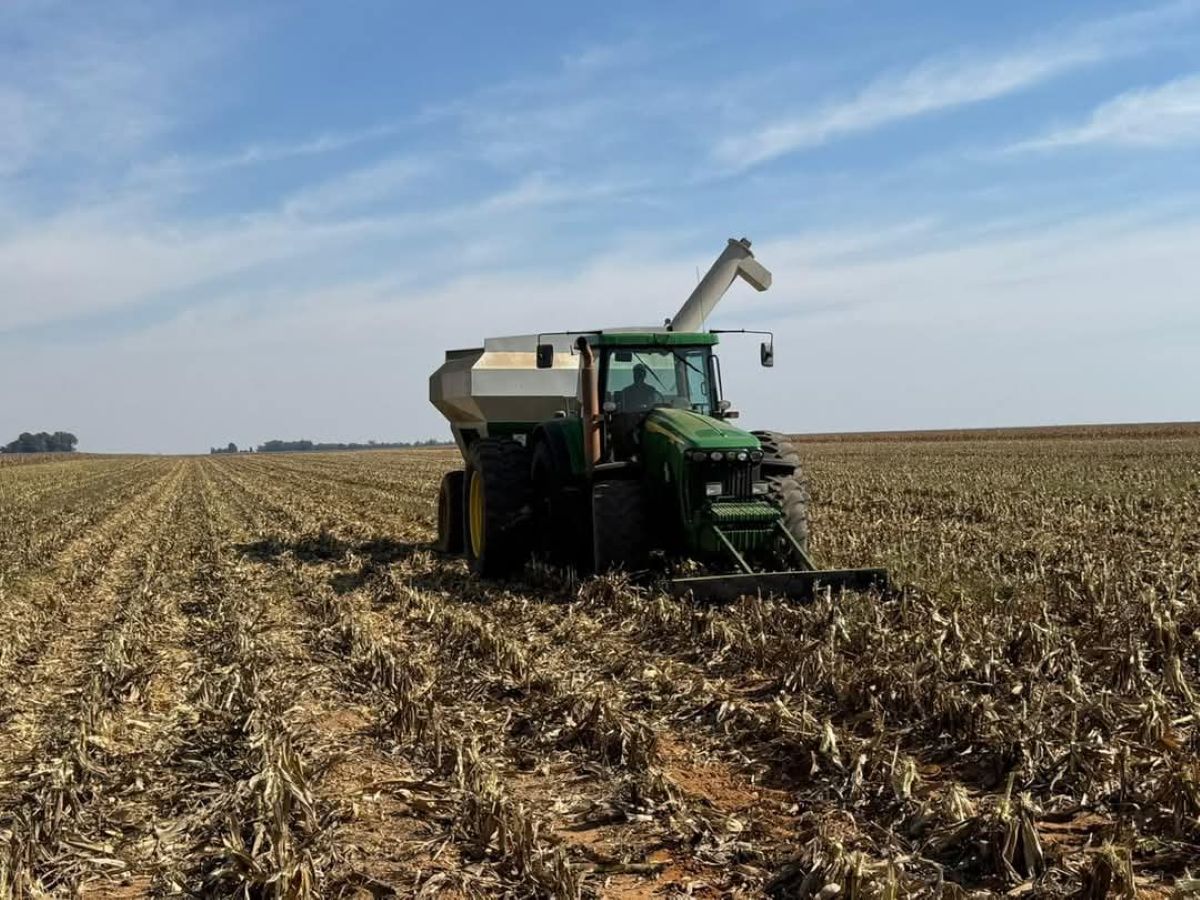
The Department cautioned that the combination of suppressed rainfall and elevated temperatures poses direct threats to agricultural productivity, including widespread crop failure, severe livestock mortalities, and heightened risks of heat stress. Furthermore, localized water restrictions are anticipated, directly constraining irrigation farming operations, alongside increased vulnerabilities to heat-driven crop pests and livestock diseases.
To mitigate potential economic and operational fallout, the Department of Agriculture is urging producers across crop and livestock sub-sectors to implement immediate risk-reduction strategies:
- Climate-Smart Crop Management: Crop farmers are advised to avoid unnecessary acreage expansion, strictly adhere to recommended planting windows, and prioritize drought-tolerant crop cultivars. Producers must use seed varieties listed in the National Varietal List in compliance with the Plant Improvement Act, 2018 (Act No. 11 of 2018). Soil preservation practices, such as Conservation Agriculture principles and moisture-conserving tillage methods, are strongly recommended to limit soil erosion.
- Resource Optimization and Irrigation: Water conservation remains paramount. Farmers are urged to adopt water harvesting systems, transition to high-efficiency drip irrigation, schedule watering during cooler periods (early morning or evening), and strictly observe municipal and catchment water restrictions.
- Livestock and Veld Protection: Livestock producers are encouraged to adjust herd sizes to match the reduced carrying capacity of available grazing. Overstocking must be avoided to prevent overgrazing, which accelerates pasture degradation and livestock mortality during dry spells. Implementation of rotational grazing, alongside supplementary feed and adequate watering infrastructure, is crucial.
- Pest and Disease Surveillance: Anticipated heat conditions create favorable environments for agricultural pests and diseases. The advisory urges producers to maintain rigorous field scouting, routine veterinary visits, and up-to-date vaccination schedules.
The Department of Agriculture, in partnership with provincial authorities and sector stakeholders, confirmed it will continue issuing monthly advisories and daily extreme weather warnings to build disaster risk resilience across the industry. Producers are urged to monitor updates closely and adapt operational strategies to protect South Africa’s food security and agricultural economy during the months ahead.