
 By
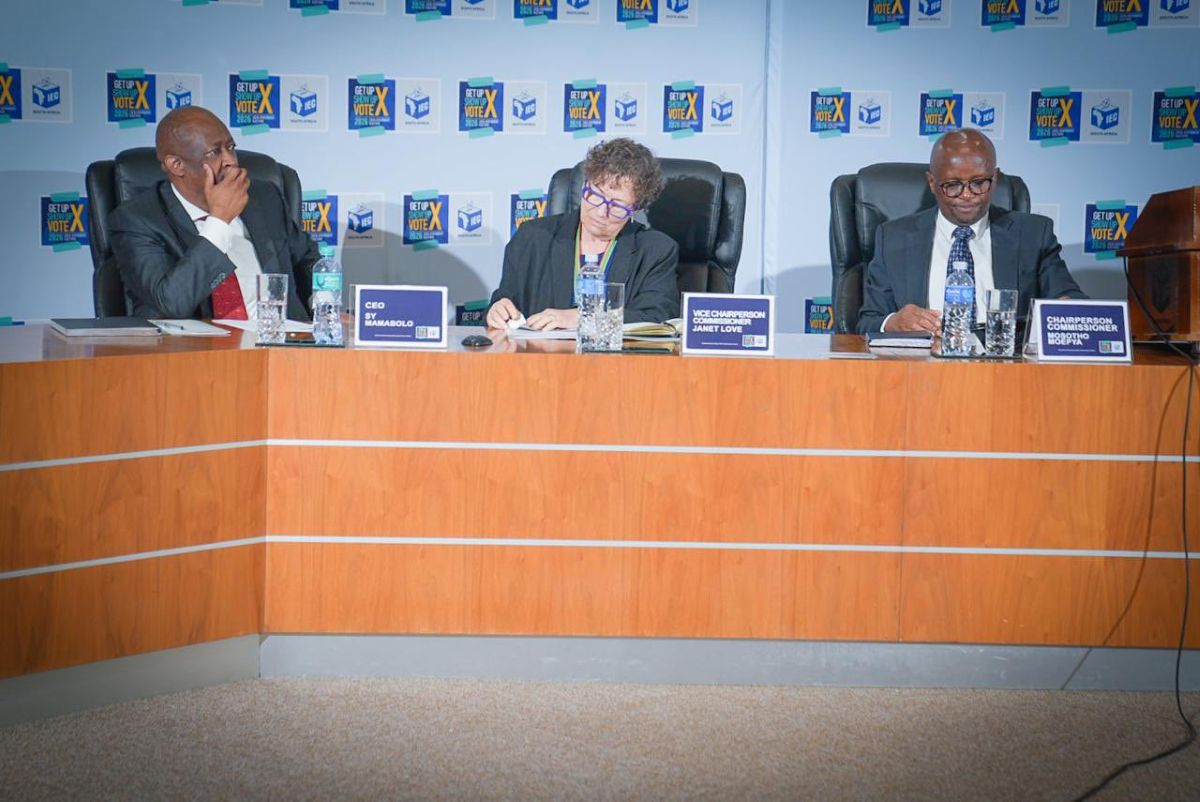
By South Africa’s political landscape is bracing for unprecedented contestation as the Electoral Commission of South Africa (IEC) announced that a total of 142 072 candidate nominations were lodged by the close of the statutory deadline on Friday, 28 August 2026. The figures signal a dramatic surge in political participation across the nation’s municipal spheres ahead of the 2026 Local Government Elections.

The official figures mark a sharp 43% increase compared to the 2021 municipal elections, which recorded roughly 99 000 candidate nominations. Contesting for 10 526 available council seats across the country, political entities and independent candidates have set the stage for an extraordinarily crowded ballot.
Breakdown of Nominations and Contestation
The sheer volume of submissions reflects both traditional political manoeuvring and the growing role of digital electoral infrastructure. Candidates submitted their nominations through a combination of physical submissions at local commission offices and the Online Candidate Nomination System (OCNS).
The candidate breakdown reveals a distinct preference between proportional representation and direct ward leadership:
- Proportional Representation (PR) Candidates: 40 241 nominees submitted via political party lists.
- Ward Candidates: 100 856 nominees fielded directly by political parties.
- Independent Candidates: 975 candidates running individually for ward seats.
Submission methods were divided between digital platforms and traditional manual filings. Via the Online Candidate Nomination System, 299 political parties and 127 independent candidates successfully submitted their documents. Concurrently, 205 political parties and 634 independents opted to lodge their nominations manually at regional IEC offices nationwide.
Party participation spans every tier of governance, with 546 out of 732 overall registered political parties (75%) stepping into the fray:
- National Level: 227 out of 345 registered parties are contesting (66%).
- Provincial Level: 33 out of 36 registered parties are contesting (92%).
- Metropolitan Level: 49 out of 61 registered parties are contesting (80%).
- District Level: 237 out of 290 registered parties are contesting (82%).
Major Metropolitan Battlegrounds
The highest concentration of political friction is concentrated within the country’s major economic and population hubs. Gauteng and KwaZulu-Natal metros lead the roster for proportional representation contestation:
| Municipality / Metro | Number of Contesting PR Parties |
| City of Johannesburg | 80 parties |
| City of Tshwane | 72 parties |
| eThekwini | 70 parties |
| Ekurhuleni | 69 parties |
| City of Cape Town | 55 parties |
| Emfuleni | 43 parties |
| Polokwane | 40 parties |
| Rustenburg | 38 parties |
| Nelson Mandela Bay | 38 parties |
| Capricorn District | 38 parties |
Candidate Demographics and Unsubmitted Nominations
Demographic data released by the IEC shows that candidates aged between 36 and 55 dominate the candidate pool, representing 58% of all nominees. The single largest age bracket is 41 to 45 years, comprising 16% of total nominations.
Gender disparities remain evident across both PR lists and ward races. Men account for nearly two-thirds (62%) of all nominated candidates, with female representation standing at approximately 38%. On proportional representation lists, men account for 56% compared to 44% women. The gender gap widens significantly in individual ward contests, where men comprise 65% of candidates versus 35% women.
The commission also addressed a common operational bottleneck: candidates captured on the OCNS system but left unsubmitted by the 17h00 deadline on 28 August. A total of 2 274 potential candidates—comprising 480 PR and 1 794 ward aspirants across 45 unique political parties—were captured but never formally finalized. The IEC confirmed that these individuals have not been submitted in accordance with statutory requirements and are strictly not in contention for the upcoming election.
Next Steps in the Electoral Timetable
With candidate nominations officially closed, the IEC has shifted focus to administrative compliance checks, verifying deposit payments, voter support signatures for independent candidates, and signed acceptance forms.
The key statutory dates leading up to the final candidate release include:
- 4 September: The IEC may formally request outstanding documentation (such as identity document copies and signed acceptance forms) from parties and candidates.
- 7 September: Deadline for political parties and independent candidates to submit requested outstanding documentation.
- 9 September: The IEC will issue notices regarding dual or multiple nominations (candidates appearing as independents while on party lists, or appearing on multiple party lists).
- 16 September: Publication of the finalized, official candidate list.
This follow-up process comes shortly after the conclusion of the provisional voters’ roll inspection period, which closed on 18 August. Out of more than 300 objections lodged—mostly regarding address details and ward placements—the IEC upheld 79, allowing for the official certification of the voters’ roll on 26 August.
As the commission prepares to certify the final lists, candidates and political parties have been reminded of their legal duty to adhere strictly to the Electoral Code of Conduct to ensure peace, transparency, and fairness throughout the campaign season.