
 By
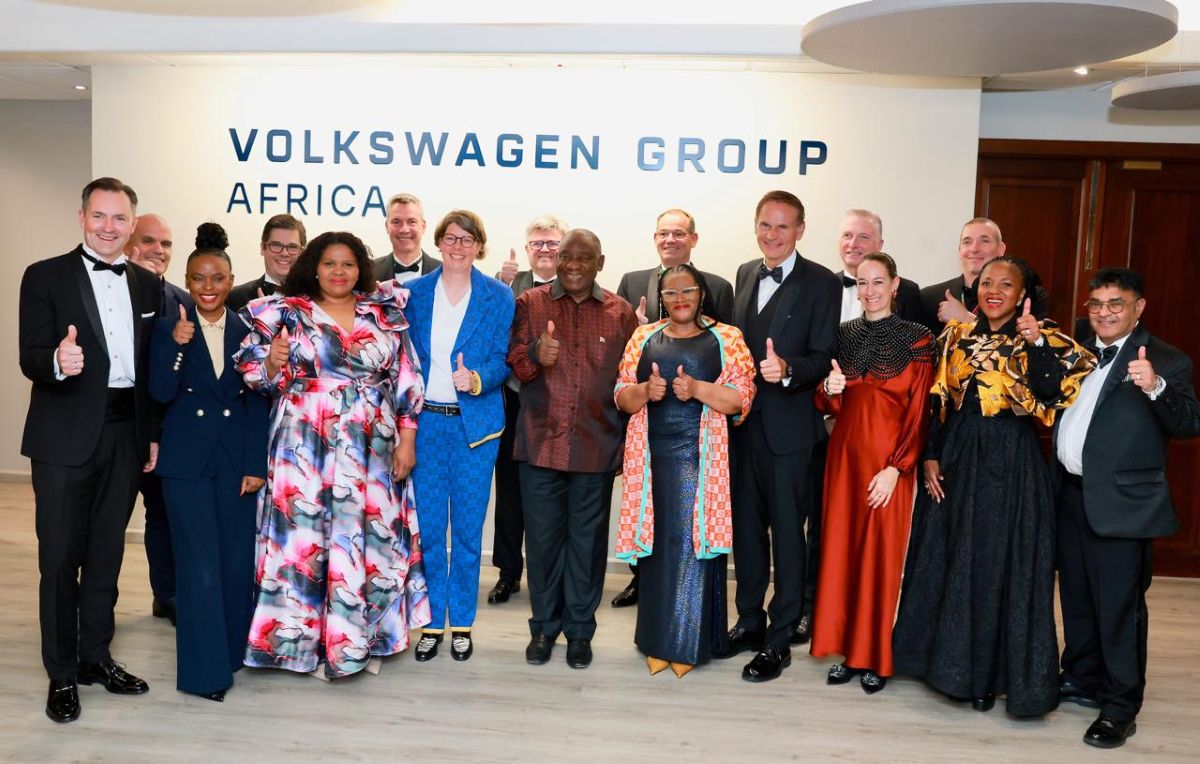
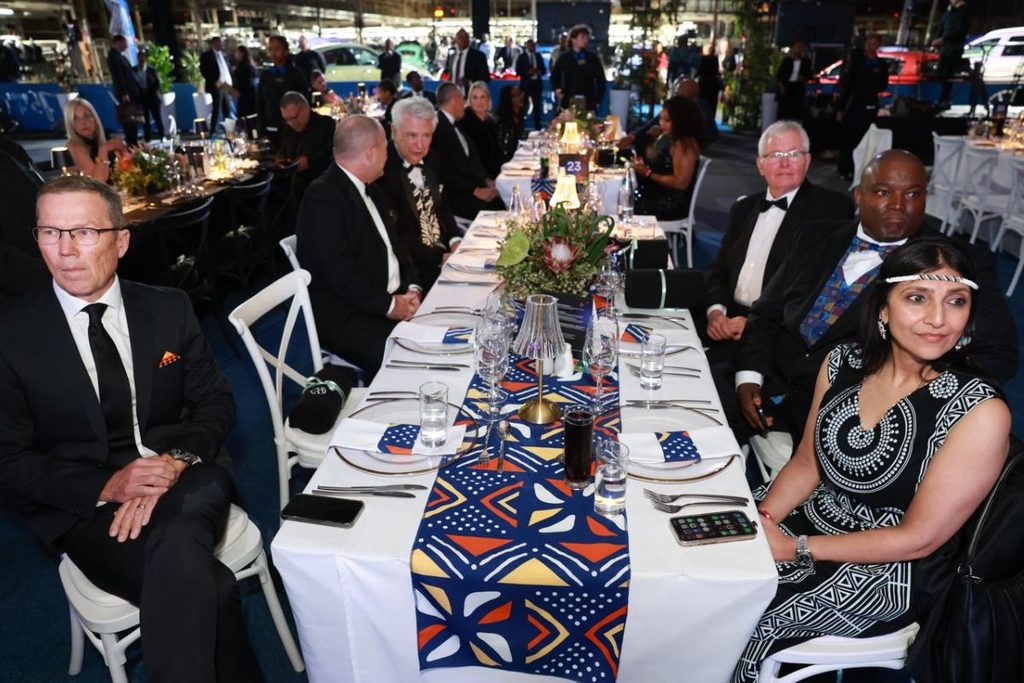
By In a high-stakes address marking 75 years of Volkswagen manufacturing in South Africa, President Cyril Ramaphosa pledged that government will expedite the review of the country’s automotive policy framework to safeguard industrial competitiveness during the sector’s transition toward new-energy vehicles (NEVs).

Speaking at VW’s flagship Kariega assembly plant, the President confirmed that detailed negotiations are underway between state officials, automotive executives, and organized labour to finalize an updated South African Automotive Masterplan as an urgent national priority.
The milestone anniversary comes at a critical juncture for South Africa’s advanced manufacturing sector. The automotive industry remains a foundational pillar of the domestic economy, contributing over 5 percent to gross domestic product (GDP), reaching 155 export destinations, and supporting more than 115,000 direct manufacturing jobs alongside 500,000 indirect roles across the broader value chain.
Key Sector & Plant Indicators
- GDP Contribution: 5% of South Africa’s Gross Domestic Product.
- Employment Impact: 115,000 direct manufacturing jobs; 500,000 value-chain jobs.
- Kariega Production Volume (2025): 156,000 vehicles produced; 120,000 units exported.
- New Capital Deployment: R4 billion allocated for the new VW Tengo line.
- Social Investment Commitment: R800 million invested in local community initiatives.
A Capital Vote of Confidence: The VW Tengo
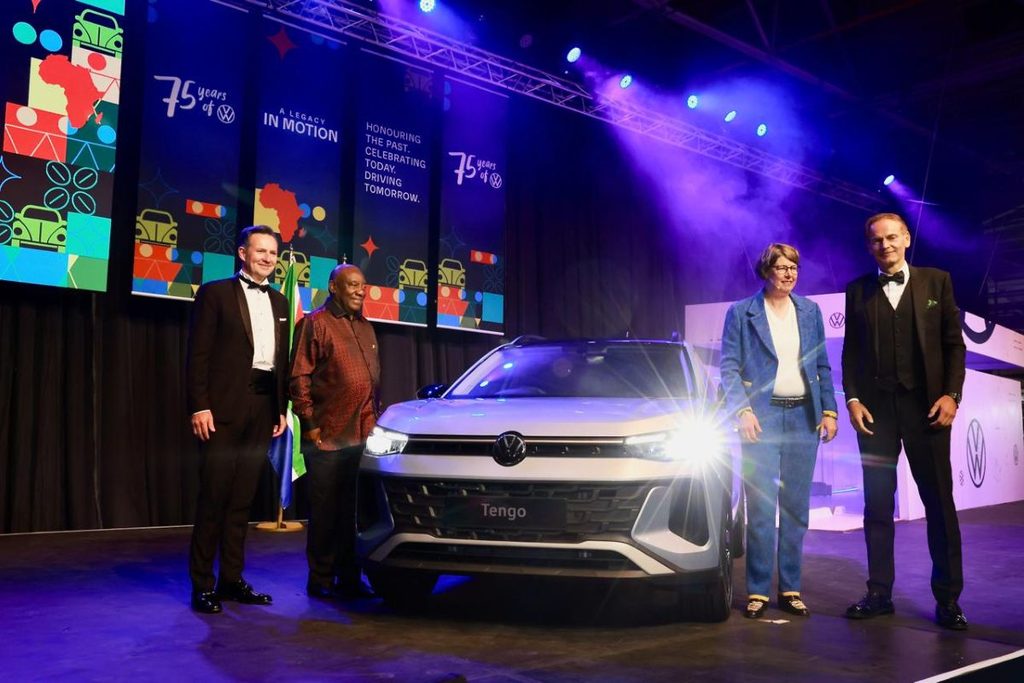
Central to the anniversary proceedings was Volkswagen’s ongoing R4 billion capital investment associated with introducing a third production line, the Volkswagen Tengo, to the Kariega facility. The new model will be manufactured alongside the Polo and Polo Vivo.
The Kariega plant holds a unique position within Volkswagen’s global manufacturing footprint: it is VW’s oldest plant outside Europe, the world’s sole manufacturing site for the standard Polo, and the exclusive exporter of the Polo to European and Asia-Pacific markets. In 2025 alone, the Eastern Cape facility assembled over 156,000 units, dispatching nearly 120,000 vehicles to international destinations.
Since the first Volkswagen Beetle rolled off the assembly line in Uitenhage (now Kariega) on August 31, 1951, the plant has produced close to five million vehicles, including iconic nameplates such as the Golf, Jetta, Citi Golf, and Kombi.
“The Tengo will become the third model manufactured here in Kariega… It is a vote of confidence in our workers, a vote of confidence in our manufacturing capability, and a vote of confidence in South Africa as an investment destination,” Ramaphosa stated, noting that capital commitments of this scale cannot be taken for granted in an intensely competitive global market.
Navigating the Green Transition and Masterplan Review
As global export markets pivot rapidly toward battery electric vehicles (BEVs), hybrids, and alternative power units, South African plants face mounting operational pressures to adapt or risk losing structural market share. Addressing calls from Volkswagen Group Africa leadership and broader industry stakeholders, Ramaphosa assured corporate leaders that government is moving to establish a stable, predictable, and supportive policy framework.
“Investment decisions being taken today will determine where the vehicles of the next decade are manufactured,” Ramaphosa emphasized. “We are determined to ensure that South Africa remains an important global manufacturing base for the vehicles of the future.”
The President highlighted South Africa’s substantial reserves of critical minerals—essential inputs for next-generation vehicle battery chemistries and components—as a core strategic advantage. However, he stressed that industrial policy must push beyond primary vehicle assembly to capture higher structural value within the country.
Core Objectives of the Masterplan Reform:
- Policy Certainty: Create a predictable operating framework to unlock long-term NEV capital expenditure.
- Localization & Componentry: Transition from assembly to localized manufacturing of batteries, sub-systems, and electronics.
- Black Industrialist Inclusion: Expand the direct participation of black-owned businesses across tier-1 and tier-2 automotive supply chains.
- Continental Scale: Leverage the African Continental Free Trade Area (AfCFTA) to construct integrated regional value chains across Africa.
Social Capital & Early STEM Investment
Beyond industrial capacity, the President highlighted Volkswagen’s localized social investment model. The manufacturer has injected over R800 million into community development projects surrounding the Kariega facility.
Key initiatives include the establishment of the LEAP 9 Maths and Science School in KwaNobuhle, targeted early childhood development programs in partnership with the Department of Basic Education, and a sustained R40 million annual investment in the Youth Employment Service (YES) initiative.
Ramaphosa emphasized that the future of advanced industrial manufacturing depends on foundational skills development long before an individual steps onto a factory floor. Drawing historical context, the President praised Volkswagen’s early progressive labour practices, noting that during the height of apartheid, VW was the first automaker in South Africa to recognize black trade unions and employ black artisans.
Strategic Outlook
Concluding his address, Ramaphosa underscored that the long-term sustainability of South Africa’s industrial core relies on deep, structured partnerships between government, corporate capital, and organized labour. With global supply networks reconfiguring around green technologies, the administration’s primary focus will be finalizing policy incentives to ensure domestic facilities remain competitive for future platform allocations.