
 By
By 
PRETORIA — South Africa’s political landscape has officially entered high-gear campaign season following the publication of the official Election Timetable by the Electoral Commission (IEC) on Friday, setting the stage for nationwide Local Government Elections on Wednesday, 4 November 2026.
The gazetting of the 89-day statutory roadmap follows the formal proclamation of the election date by the Minister of Cooperative Governance and Traditional Affairs (CoGTA), Mr. Velenkosini Hlabisa. The proclamation immediately triggered the legal deadline for voter registration, permanently closing the voters’ roll at midnight on 7 August 2026.
Deadline Rush and Digital Milestones
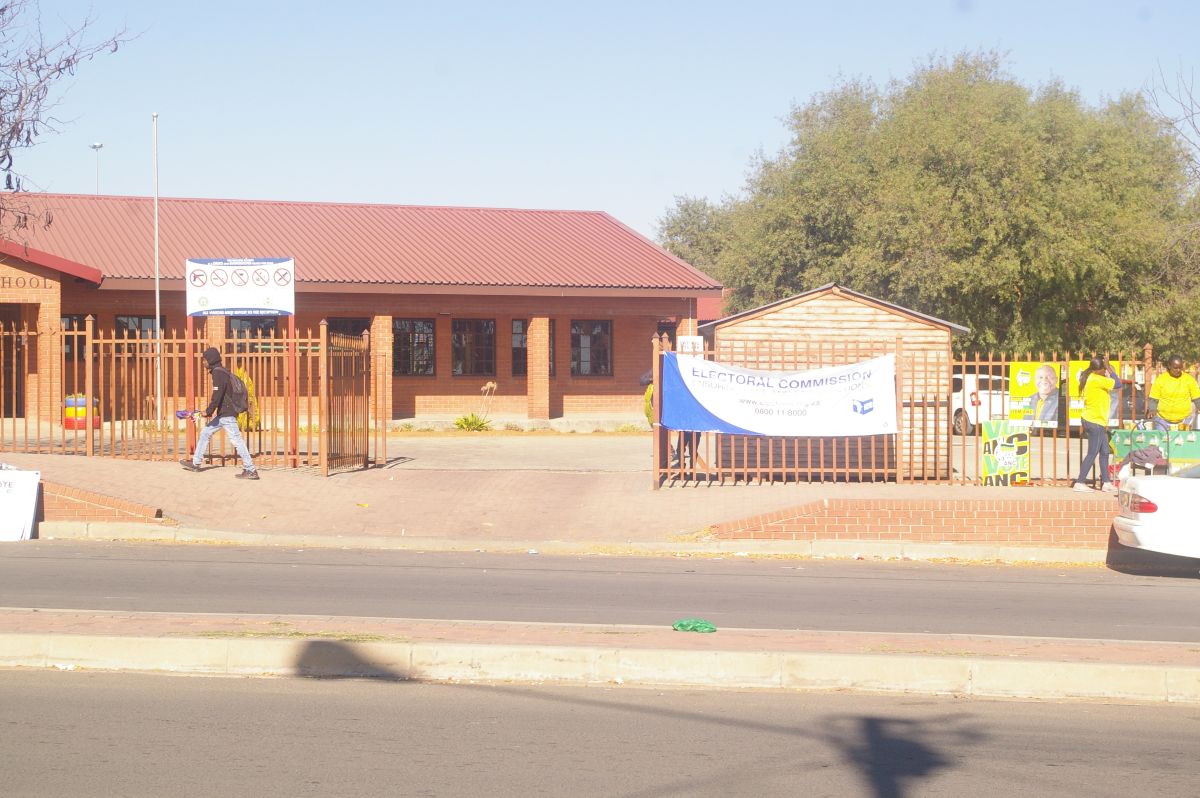
Speaking on the formal launch of the electoral process, the IEC made a final push urging eligible citizens to utilize its digital channels—including a zero-rated online portal and its newly launched WhatsApp registration service—before the midnight cut-off.
The Commission revealed that over 2 million voter interactions were logged during the overall registration period. Tech-driven interventions saw notable traction: since opening on 3 August, the WhatsApp channel recorded more than 14,000 registrations, with Gauteng accounting for 5,599 and KwaZulu-Natal recording 2,310. Nationally, Gauteng led provincial engagement with over 55,000 total registration transactions.
Crucially, election administrators emphasized that unlike national elections, local government legal frameworks mandate that citizens must vote strictly within the voting district where they reside, with no provision for voting at alternative stations.
REGISTRATION TRANSACTION BREAKDOWN BY PROVINCE
+—————–+—————-+—————–+—————–+—————–+
| Province | New Voters | Same-VD Details | VD Transfers | Total |
+—————–+—————-+—————–+—————–+—————–+
| Gauteng | 14,649 | 12,571 | 28,093 | 55,313 |
| KwaZulu-Natal | 10,791 | 8,012 | 18,193 | 36,996 |
| Western Cape | 8,670 | 6,627 | 13,439 | 28,736 |
| Limpopo | 8,863 | 5,522 | 8,569 | 22,954 |
| Mpumalanga | 7,558 | 3,083 | 6,810 | 17,451 |
| Eastern Cape | 5,068 | 3,876 | 7,674 | 16,618 |
| North West | 5,764 | 3,625 | 6,812 | 16,201 |
| Free State | 3,046 | 1,688 | 3,924 | 8,658 |
| Northern Cape | 3,024 | 1,992 | 2,791 | 7,807 |
+—————–+—————-+—————–+—————–+—————–+
| Grand Total | 67,433 | 46,996 | 96,305 | 210,734 |
+—————–+—————-+—————–+—————–+—————–+
(Source: Electoral Commission of South Africa)
High Stakes and Candidate Nominations
Candidate nominations opened simultaneously with the publication of the timetable, giving prospective contestants 21 calendar days to submit candidate lists and statutory documentation before the system strictly shuts down at 17:00 on Friday, 28 August 2026.
The political arena is expected to be fiercely contested. According to the IEC’s registry, 674 political parties are currently registered in South Africa. While 330 operate at a national level, a significant proportion—257 district-level and 55 metropolitan parties—reflect intense hyper-local political competition across the country’s municipal councils.
To filter out non-serious contenders, the IEC re-affirmed mandatory, non-refundable deposit thresholds for political parties and independents:
- Metropolitan Councils: R4,700 per municipality
- Local Councils: R2,800 per council
- District Councils: R1,800 per council
- Independent Ward Candidates: R1,800 per candidate
- Full National Contest (All Municipalities): R693,600 total deposit
Deposits are refunded only to contestants who secure at least one proportional representation (PR) seat or obtain 10% of valid votes in a ward contest.
KEY TIMELINE MILESTONES (LGE 2026)
———————————————————————————-
07 August 2026 : Voters’ roll closes at midnight; Candidate nominations open[cite: 1]
11 August 2026 : Provisional voters’ roll published for public inspection
14 August 2026 : Official list of voting stations and mobile routes published
18 August 2026 : Closing date for objections to the provisional roll
26 August 2026 : Chief Electoral Officer certifies final voters’ roll
28 August 2026 : Candidate nominations close at 17:00 sharp
16 September 2026: Final list of successful candidates published
21 September 2026: Applications for Special Votes open
12 October 2026 : Special Vote applications close
02–03 Nov 2026 : Special Voting days (Home visits and voting stations)
04 November 2026: ELECTION DAY[cite: 1]
———————————————————————————-
Last-Minute Legal Wrangling: Free State Boundaries
The launch of the timetable comes amidst swift judicial intervention regarding municipal demarcations in the Free State.
Following an urgent application brought on 5 August by the Free State MEC for Cooperative Governance and Traditional Affairs, the High Court of South Africa in Bloemfontein issued an order on 6 August staying the Municipal Demarcation Board’s (MDB) decision to split the Kopanong Local Municipality. Consequently, Kopanong will not be split into two separate entities for the 2026 election cycle. Nominations and voting will proceed under its pre-existing single-municipality structure comprising 9 wards, as configured during the 2021 municipal polls.

Disinformation Focus and Special Votes
Alongside the implementation of the statutory Electoral Code of Conduct, the IEC announced plans to promulgate a specialized regulatory code targeting disinformation to safeguard information integrity ahead of November.
To ensure inclusive participation, applications for special votes—designed for elderly, disabled, or infirm voters—will run from 21 September to 12 October 2026. Approved applicants will cast their ballots either via home visits or early station visits on 2 and 3 November.
With the certified voters’ roll scheduled for final publication on 26 August and final candidate lists due on 16 September, the administrative track is set for what promises to be one of South Africa’s most competitive local elections.