 By
By Group revenue remains steady as international diversification and wild-caught recovery offset severe domestic pilchard and fishmeal headwinds.
Oceana Group Limited has demonstrated operational resilience in a challenging commodity environment, reporting that Group revenue for the 11 months ended 31 August 2026 remained in line with the prior period, while operating profit registered an increase.

The performance underscores the benefits of geographic and divisional diversification, successfully buffering the group against severe localized supply constraints.
The positive profit trajectory was principally anchored by robust performances from Lucky Star foods, solid contributions from the US-based fishmeal and fish oil business Daybrook, and a strong recovery within the Wild Caught Seafood division.
However, these gains were partially counterbalanced by severe pressures in the African fishmeal and fish oil segment, where plummeting production triggered a notable operating loss.
Lucky Star Constrained by Pilchard Shortages
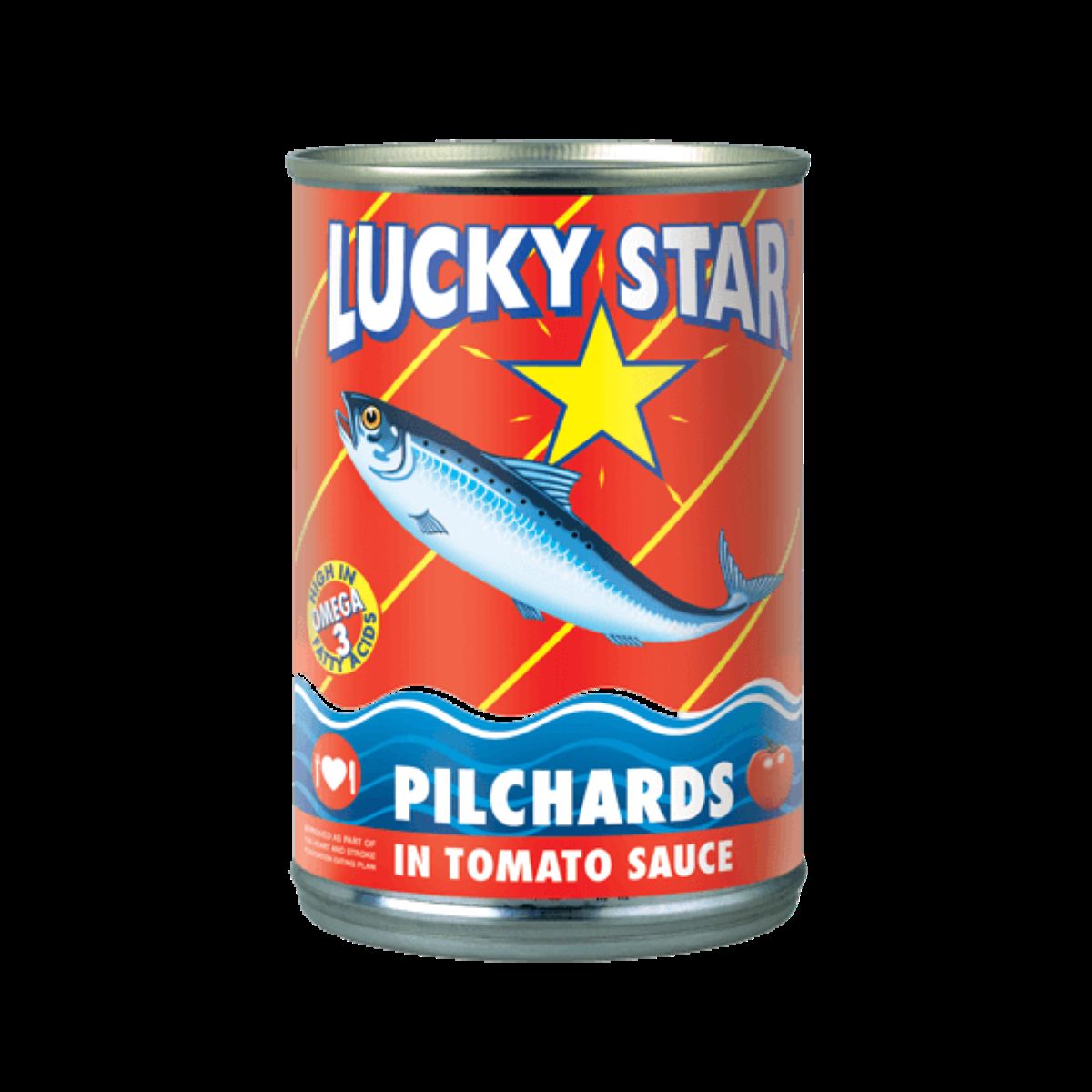
Lucky Star, Oceana’s crown jewel, delivered mixed results characterized by a strong first half followed by a subdued second half. The division faced severe headwinds as frozen fish raw material shortages constrained canned pilchard availability, driving total sales volumes down by 5% and canned fish volumes down by 9%.
Limited inventory levels prevented the business from fully satisfying robust market demand, though strong canned meat sales cushioned the blow.
Operational Impact on Margins
Local canning production volumes fell by 60%, elevating per-unit production costs due to under-recovered fixed overheads. Despite this cost inflation, operating margins expanded, supported by higher net realised sales values, reduced freight and inventory holding costs, a superior product mix, and higher volumes of locally caught pilchards.
Inventory volumes closed significantly lower year-on-year, a direct reflection of the constrained global fish supply environment.
Divergent Fortunes in Fishmeal: Africa vs. USA
The group’s fishmeal and fish oil operations presented a stark geographical contrast. The African segment suffered a steep deterioration, with production volumes crashing by 73% due to a slump in industrial fish landings and reduced pilchard trimmings from local canneries.
Sales volumes plummeted 72%, completely neutralizing the positive impact of a 31% surge in average Rand-denominated selling prices. Consequently, the segment’s operating loss widened past interim levels.
Conversely, US subsidiary Daybrook delivered an upgraded performance. Supported by higher opening inventories and stronger landings—cumulative Gulf Menhaden landings through week 21 tracking 7% above 2025 and 11% above the five-year average—sales volumes climbed 16%. US Dollar fishmeal prices remained stable on forward contracts, while average fish oil prices rallied 24%, boosting second-half returns despite translation headwinds from a stronger South African Rand.
Wild Caught Seafood Recovery
Hake & Horse Mackerel
The hake fleet registered solid landings supported by increased days at sea and improved catch rates. Horse mackerel surged, particularly in local waters, absorbing higher fuel costs and lifting sales volumes by 8% amid favorable pricing for smaller fish.
Fuel Hedging & Squid Challenges
Profitability was further protected by proactive risk management, with 70% of forecast annual fuel requirements hedged across the fleet. Meanwhile, the squid business remained a drag, reporting an operating loss due to persistently weak industry catch rates.