 By
South Africa’s manufacturing sector is facing mounting operational pressures, with severe port congestion, organised syndicate theft, and an influx of non-compliant imports compounding longstanding challenges around unreliable electricity and poor service delivery.
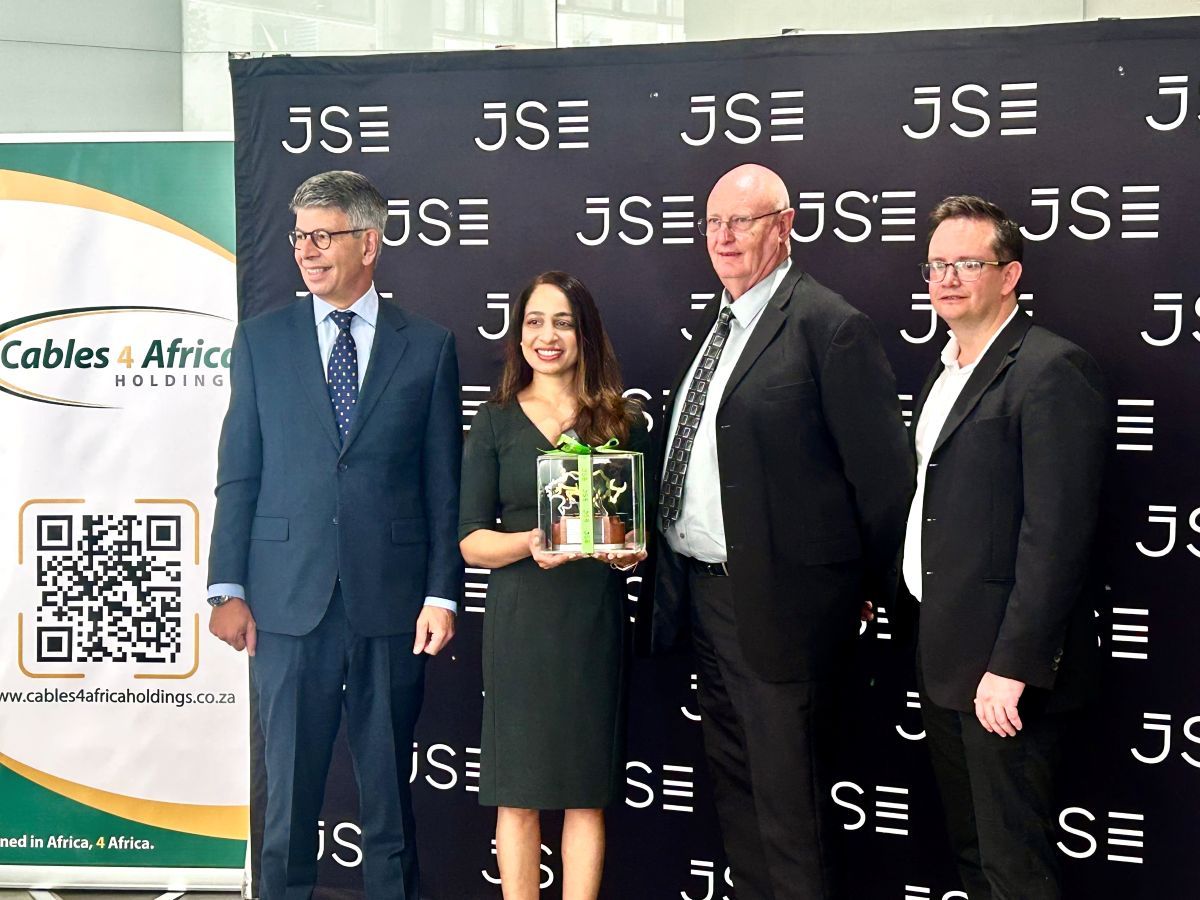
Addressing stakeholders during a presentation at the Johannesburg Stock Exchange (JSE) to mark the holding company’s 20th listing anniversary—an event that also ushered in its rebranding from South Ocean Electric Cable (SOEW) to Cables 4 Africa (C4A)—chief executive officer Andre Smith warned that these systemic failures are actively eroding industrial capacity and threatening livelihoods.
“Port delays and theft are further restricting employment growth, causing further job losses which businesses cannot endure endlessly,” Smith said.
Logistics Bottlenecks and Dollar-Denominated Penalties
Central to the group’s operational headwinds is the ongoing inefficiency at South Africa’s maritime gateways, particularly the Port of Durban. According to Smith, erratic shipping schedules and prolonged turnaround times are severely disrupting the ability of local plants to maintain continuous production runs.
Smith highlighted a recent logistical setback in which stock scheduled to dock in Durban at the end of September only arrived in mid-October. Following a split discharge of containers, the vessel returned to outer anchorage and ultimately docked six weeks behind schedule.
“Durban currently faces a delay of 20 days and more from the time a vessel docks,” Smith explained, noting that container discharge times have ballooned from the historical norm of three days to between seven and 14 days. Furthermore, bottlenecks in container bookings through the NAVIS terminal operating system continue to slow down cargo movement.
For local manufacturers, these delays carry steep financial penalties. Beyond the internal cost of interrupted manufacturing schedules, businesses are hit with heavy storage fees—including detention, demurrage, and overstay charges. Because these penalties are determined by international shipping lines and billed in US dollars, they expose local firms to substantial foreign exchange costs, starting at an average of USD 1,000 per container per day.
Organised Theft and Market Distortion
Compounding the supply chain strain is the persistent theft of finished, South African Bureau of Standards (SABS)-compliant cable directly from manufacturers and wholesalers. Smith pointed to what appear to be coordinated criminal syndicates targeting the sector.
“Most incidents show no signs of forced entry and appear to involve insider activity, with scrap dealers advertising outside manufacturers and wholesalers,” Smith said. Once stolen, the legitimate product is funnelled back into the market at artificially low prices, undercutting compliant producers and distorting fair competition.
To stem the losses, Smith urged law enforcement to deploy dedicated investigative resources aimed at identifying and prosecuting not only the perpetrators, but also the illicit buyers fuelling the trade.
Safety Risks and the Push for Local Procurement
Alongside physical theft, C4A leadership flagged the growing threat of inferior product dumping. C4A Holdings chairman Johannes van Rensburg emphasised that the influx of cheap, non-compliant cables poses severe safety and operational risks—particularly as South Africa transitions toward renewable energy.
C4A supplies critical infrastructure across multiple sectors, including the rapidly expanding solar industry. “It is crucial that compliant cable is used in these service-critical industries where the risk of downtime is high when unscrupulous installers use cheap, non-compliant cable,” van Rensburg warned, noting that the market has already witnessed numerous instances where substandard wiring has led to system failures and fires.
Van Rensburg called on private enterprises, government departments, and state power utility Eskom to prioritise local procurement and support domestic industrial capacity. Operating from its manufacturing facility in Alrode, Gauteng, the group employs roughly 500 people and generates an annual turnover of approximately R2 billion.
Founded in 1989, the company produces low-voltage electrical cable and wire for wholesalers and distributors serving the building, construction, and mining industries.
“As a company that employs about 500 staff and is one of only a few cable manufacturers in Africa with a test laboratory where standards are continuously tested, we need to be considered more seriously as a supplier,” van Rensburg stated.
For C4A, sustaining domestic manufacturing and driving job creation hinges on decisive policy and operational reforms. As Smith concluded, local producers urgently require a stable power supply, functional ports, targeted policing against syndicate theft, and stricter legislation to halt the dumping of non-compliant imports.