 By
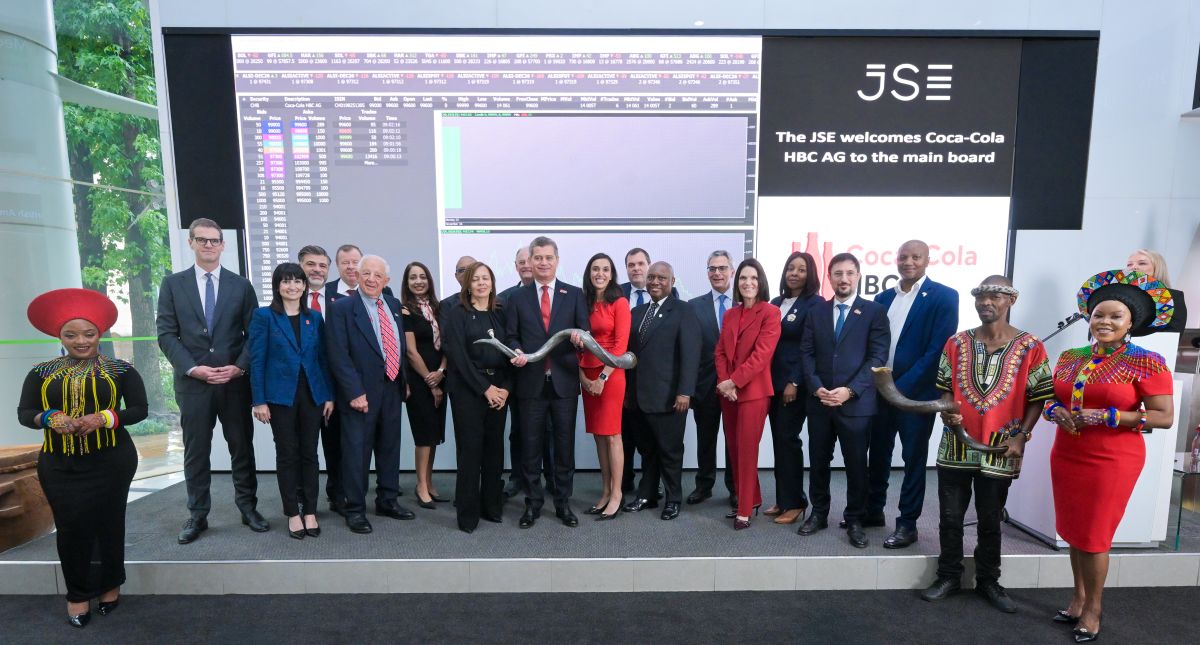
JOHANNESBURG — Coca-Cola HBC AG officially debuted on the Main Board of the Johannesburg Stock Exchange (JSE) through an inward secondary listing carrying a market capitalisation of approximately R341 billion.
The move brings a major international consumer packaged goods company onto the bourse and comes days before the expected completion of its acquisition of a controlling stake in Coca-Cola Beverages Africa (CCBA).
The strategic bottling partner of The Coca-Cola Company has agreed to acquire a 75% controlling interest in CCBA, with a path to full ownership. The transaction is scheduled to complete on Friday, 27 November 2026. Once closed, the deal will significantly widen Coca-Cola HBC’s operational reach across the continent while giving South African investors direct local access to the stock.
Coca-Cola HBC projects that completing the acquisition will bring its footprint to roughly two-thirds of Coca-Cola system volumes in Africa and allow it to serve markets covering more than half of the continent’s population. Currently, the company serves 760 million consumers across 29 countries, a figure expected to rise to approximately 1.2 billion consumers once the CCBA majority stake deal closes.
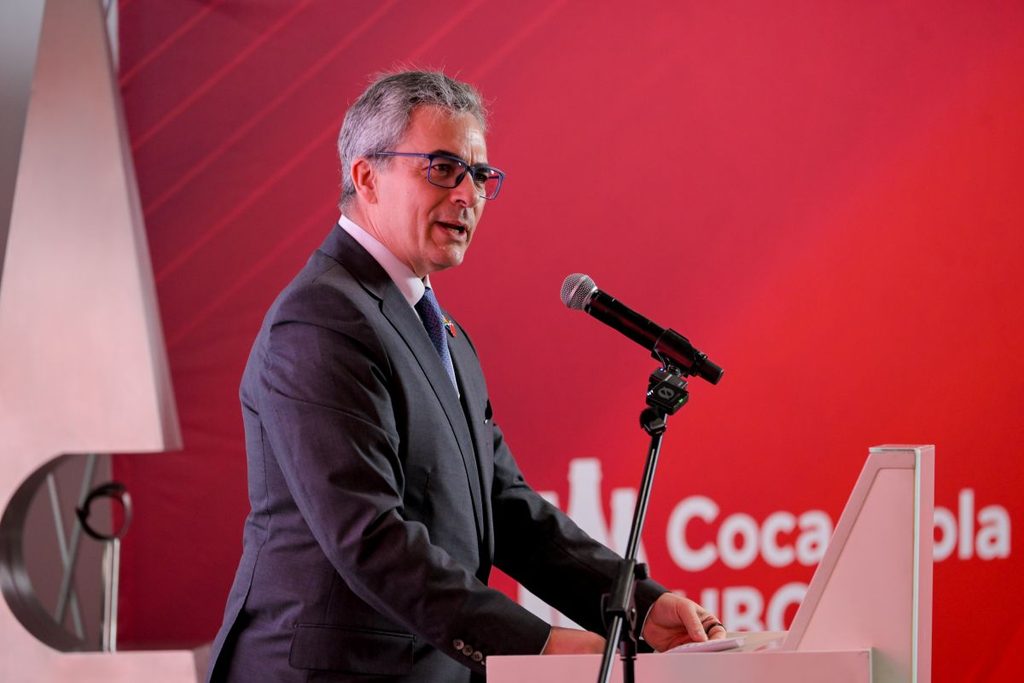
Coca-Cola HBC CEO Zoran Bogdanovic said the listing reflects the company’s long-standing focus on the region as it marks its 75th anniversary, having been founded in Nigeria in 1951.
“For 75 years, our business has been built on a strong belief in Africa. Today’s listing on the JSE underpins our long-term commitment to South Africa and the wider continent. We see tremendous growth potential across Africa and look forward to welcoming colleagues from Coca-Cola Beverages Africa to Coca-Cola HBC shortly.”
Capital Markets Momentum and Inward Listings
For the JSE, the arrival of Coca-Cola HBC adds heavyweight scale to its inward-listed segment. Inward-listed companies represent roughly 23% of the JSE’s total market, with an aggregate market capitalisation of about R16 trillion, and have raised approximately R287 billion on the exchange over the past decade. With Coca-Cola HBC included, the JSE now hosts 261 listed companies with a combined market capitalisation of R23.3 trillion.
JSE Group CEO Valdene Reddy said the listing highlights the exchange’s institutional depth, liquidity, and market infrastructure, as well as its role linking global businesses with regional capital and investors.
“Coca-Cola HBC’s listing reflects the strength and depth of South Africa’s capital markets which offer international issuers access to deep pools of institutional capital, liquidity and world-class market infrastructure. It also reinforces the JSE’s role as a leading venue for companies with long-term ambitions in Africa, connecting global businesses with investors and opportunities across the continent.”
The listing follows a run of notable corporate activity on the exchange since 2024 across consumer, telecommunications, technology, media, and renewable energy sectors. Recent listings cited by the JSE include CANAL+ (~R60 billion), Boxer (~R25 billion), Optasia (~R24 billion), Greencoat Renewables (~R20 billion), Cell C (~R9 billion), and Rainbow Chicken (~R3.2 billion). In 2025, the exchange also recorded its largest equity capital markets transaction when Anglo American executed a R44.1 billion accelerated bookbuild of its remaining stake in Valterra Platinum.
Portfolio and Market Footprint
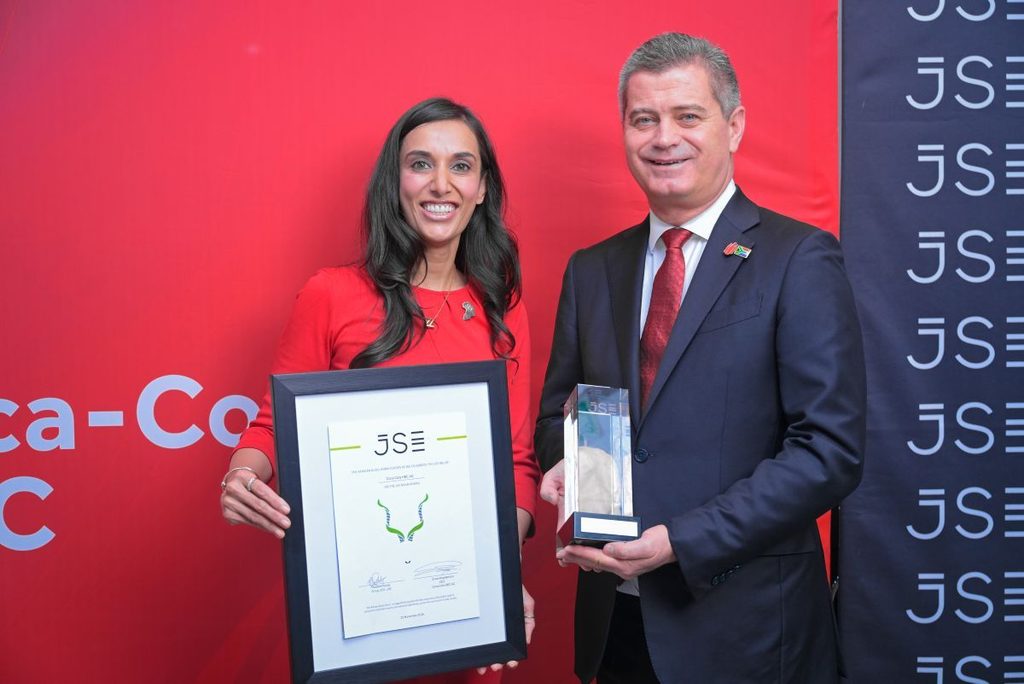
Coca-Cola HBC trades on the London Stock Exchange (LSE: CCH) and Euronext Athens (EEE), alongside its new JSE listing under the ticker CHB. The company employs more than 33,500 people and offers beverages across sparkling, adult sparkling, juice, water, sport, energy, ready-to-drink tea, coffee, and premium spirits categories, as well as snacks.
Its brand line-up includes Coca-Cola, Coca-Cola Zero Sugar, Fanta, Sprite, Schweppes, Kinley, Costa Coffee, Caffè Vergnano, Valser, Romerquelle, Dasani, FuzeTea, Powerade, Cappy, Monster Energy, Finlandia Vodka, The Macallan, Jack Daniel’s, and Plazma.
Founded 139 years ago, the JSE is Africa’s largest stock exchange by market capitalisation and ranks among the top 20 largest exchanges globally, offering primary and secondary markets across equities, derivatives, and debt.