 By
Gauteng’s road network is taking a beating from persistent theft and vandalism, prompting the provincial transport department to push for smarter surveillance and tighter enforcement to protect critical traffic lights and street lighting.
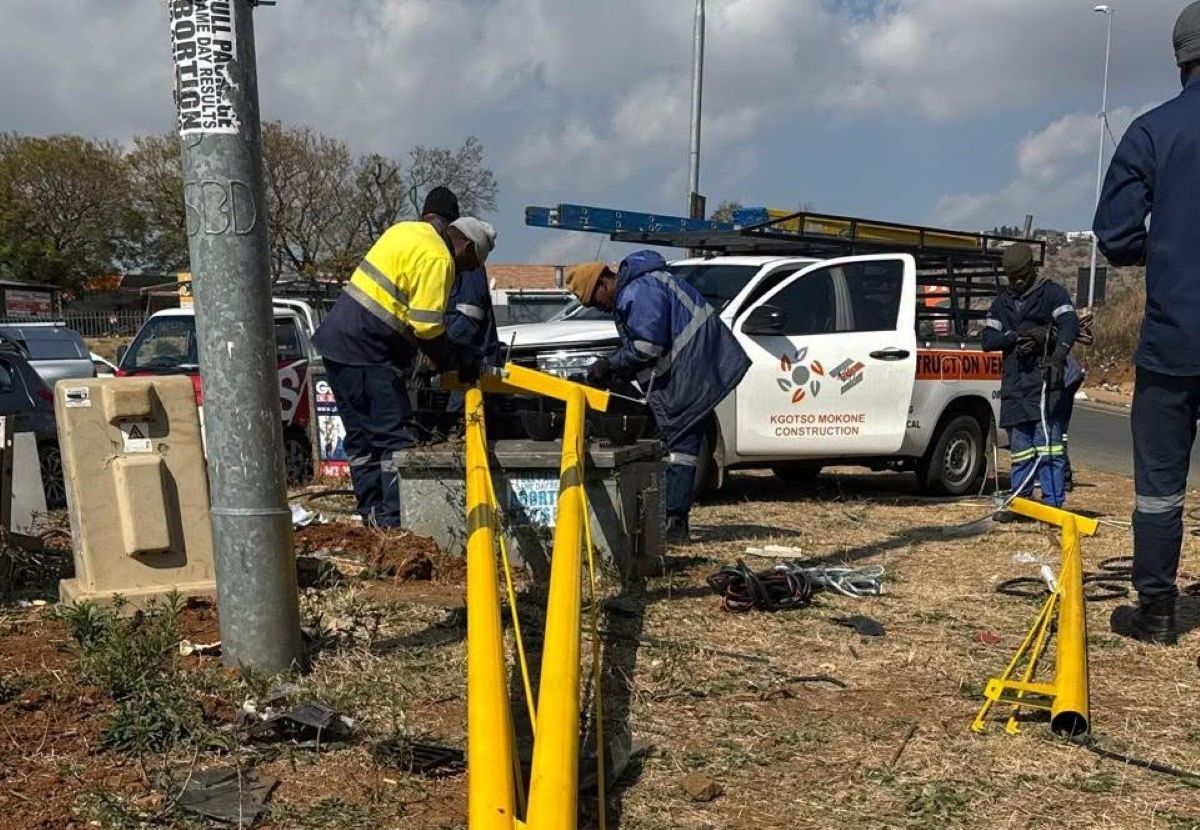
The Gauteng Department of Roads and Transport (GDRT) warned that ongoing attacks on public lighting and signal infrastructure are eroding service delivery, putting road users at risk, and draining public finances.
For commuters and pedestrians navigating the province’s busiest corridors, unlit streets and malfunctioning signals are more than a daily frustration—they directly reduce visibility and elevate safety hazards.
Drain on Expansion Funds
A central frustration highlighted by the department is the cycle of fixing the same damage repeatedly. MEC for Roads and Transport Kedibone Diale-Tlabela flagged that recently restored infrastructure is frequently targeted again, forcing authorities to redirect taxpayer money toward replacement parts instead of new road and infrastructure upgrades.
“It is unacceptable that government must repeatedly spend public funds replacing damaged infrastructure that has already been repaired because of criminal activities. These resources could be directed towards expanding and improving infrastructure across the province, not fixing the same damage repeatedly. We cannot allow few individuals to undermine our efforts towards building safer roads and communities,” MEC Diale-Tlabela said.
Shift Toward Proactive Protection
Historically, responses to infrastructure damage have leaned heavily on reactive repairs after components are stolen or broken. The GDRT is now pressing for a more preventative strategy in partnership with both public and private law-enforcement agencies, focusing on earlier detection, stronger monitoring, and active protection.
To support that shift, the department is exploring several technology-driven measures along key routes and intersections:
- Remote surveillance: Deploying CCTV cameras to monitor vulnerable sites and help identify offenders.
- Smart controllers: Rolling out upgraded control systems to improve oversight and resilience.
- Track and trace components: Installing tracking features on critical assets to aid investigations, support rapid law-enforcement dispatch, drive arrests, and hold perpetrators accountable.
Shared Responsibility on the Road
While enforcement and technology form the backbone of the proposed response, the GDRT stressed that curbing crime on the road network requires community involvement. Motorists, residents, and local structures are being urged to stay alert and promptly report suspicious behaviour, theft, or tampering involving traffic signals and streetlights to the relevant authorities.
For Gauteng’s transport system, keeping intersections signalled and streets illuminated is essential to safer mobility. With repair bills mounting, the department says safeguarding existing assets is a prerequisite for delivering the safer, more reliable road network commuters expect.