 By
JOHANNESBURG — Gauteng’s human settlements drive cleared its headline construction goals in the 2025/26 financial year, even as provincial leaders confronted stubborn bottlenecks over title deeds, unfinished builds and land affordability before lawmakers.
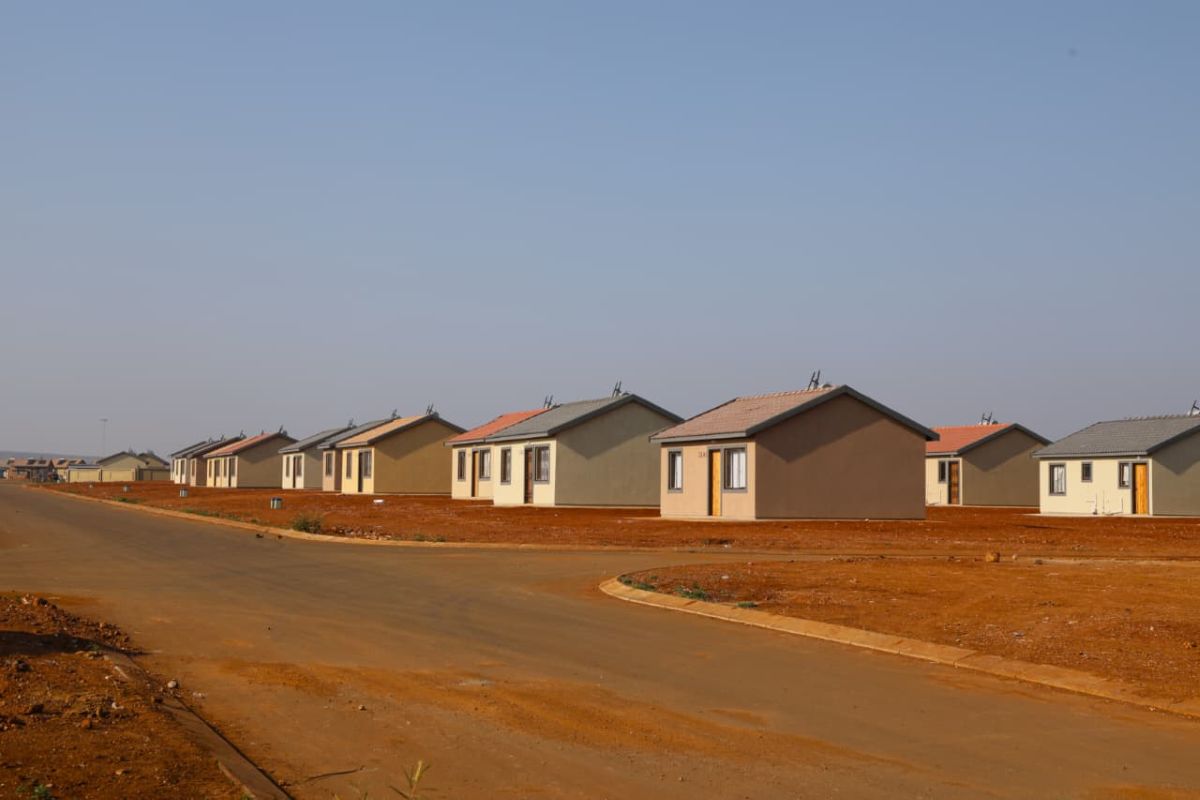
Presenting the Gauteng Department of Human Settlements’ (GDHuS) 2025/26 Annual Report to the Gauteng Provincial Legislature’s Portfolio Committee on Human Settlements on 12 November, officials reported that the department built 7,976 housing units—beating its target of 7,503 by 473 homes. It also allocated 5,445 completed houses to approved beneficiaries, surpassing its planned 4,000.
Financially, the department spent R5.824 billion of its R6.006 billion budget—a 97% expenditure rate—and secured its fourth consecutive unqualified audit opinion from the Auditor-General.
Overall, GDHuS met 22 of its 32 Annual Performance Plan targets (69%), marking its strongest performance since 2019/20 (16%) and an incremental climb from 58% in 2023/24 and 67.6% in 2024/25.
Gains Beyond Brick and Mortar
Several supporting indicators also outpaced projections during the period under review:
- Serviced sites: 139 delivered against a target of 31.
- Engineering services: 5,029 municipal engineering services installed for planned walk-up units, ahead of the 4,982 target.
- Land acquisition: 279.95 hectares of well-located land acquired for future development.
- First Home Finance: Subsidies paid out, exceeding the target of 30.
At year-end, the department also held a substantial pipeline of incomplete homes—1,961 foundations, 1,596 wall plates and 1,565 roofs—which do not count as finished houses and remain a priority for completion in the current financial year.
The Tenure and Affordability Test
Despite stronger headline numbers, the report laid bare friction points that test the political and practical value of housing delivery on the ground. Title deed transfers continue to stall over municipal approvals, rates clearance, transfer documentation and historical ownership disputes.
While several of those hurdles fall outside the department’s direct control, GDHuS said it is working more closely with municipalities and the Deeds Office to clear longstanding backlogs.
Pressure is also mounting around the Rapid Land Release Programme (RLRP), which provides beneficiaries with serviced stands to build their own homes. Many recipients have struggled to afford construction costs, prompting a policy review into whether to extend building timelines for current beneficiaries and how affordability is assessed for future allocations.
Acting MEC for Human Settlements Jacob Mamabolo framed top-line delivery as only a partial measure of success, pointing to unresolved barriers facing families after allocation.
“Building more houses than we planned for is the result we set out to achieve, but on its own it is not enough. A family that has moved in but has no title deed does not yet have full security of tenure. A beneficiary who has a serviced stand they cannot afford to build on has not yet been helped. These are the two areas we are focusing on now.”
Committee Scrutiny and Next Steps
Legislative oversight remains tight. The department noted project-specific grievances raised by residents and committee members during a meeting in Eersterust and committed to reporting back to the Portfolio Committee.
For residents with questions about title deeds or housing allocations, GDHuS has directed inquiries to regional departmental offices, as provincial leaders try to turn improved budget execution and construction counts into durable ownership and habitable homes.