 By
The Gauteng Ethics Advisory Council (GEAC) on Thursday convened professional bodies and regulatory institutions in a renewed push to embed ethical standards across the province’s public and private sectors.
Established in 2017 by the Gauteng Provincial Government as a civil society-led advocacy body, GEAC advises on ethics, promotes clean government, and supports efforts to curb corruption in public affairs.
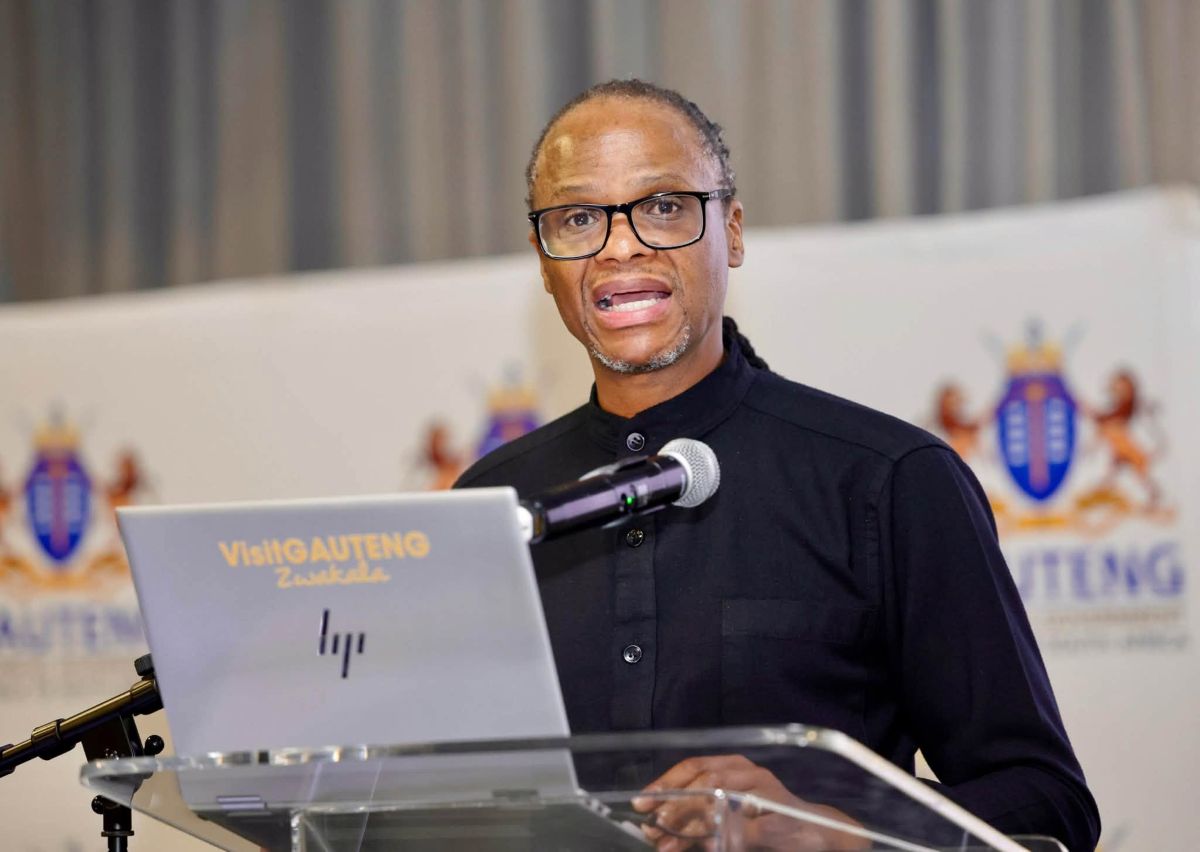
Addressing the gathering on 19 November 2026, GEAC Chairperson Rev. Solomzi Mabuza stressed that cross-sector cooperation is essential to fulfilling the council’s mandate.
“One of GEAC’s responsibilities is to actively collaborate with stakeholders who can support the Council in fulfilling its mandate,” Mabuza said. “We have therefore consistently engaged leaders across sectors to secure their cooperation in the fight against corruption.”
From Pledge to Action
The engagement builds on the Integrity Pledge signed in 2025, which led GEAC and participating associations to establish a Programme of Action anchored on four pillars:
- Protecting members and whistle-blowers
- Capacity building
- Communication and research
- Certification and affiliation with professional bodies
Several organisations reported concrete steps following the pact. The Contact Centre Management Group continues to champion ethical, competent contact centre operations as a frontline link between residents and the state.
The South African Institute of Chartered Accountants has promoted its commitment to the GEAC programme among members and the public, while the Chartered Institute for Business Accountants has reinforced its Anti-Bribery Policy by strengthening whistle-blower protections, safeguarding identities, and classifying retaliation against whistle-blowers as a dismissible offence.
Lessons from State Capture and the Madlanga Inquiry
Thursday’s session drew figures from across the legal, oversight, and qualification sectors, including National Prosecuting Authority Special Director of Public Prosecutions Advocate Nkebe Kanyane, New South Institute Executive Director Professor Ivor Chipkin, Association of Certified Fraud Examiners Head of Operations Roxanne Ferreira, and South African Qualifications Authority Specialist Temba Mokoena.
Speaking on behalf of Premier Panyaza Lesufi, the Director-General in the Office of the Premier argued that tick-box compliance is no longer enough in light of findings from commissions of inquiry. The Director-General pointed to the Zondo Commission—which detailed how influential actors used established institutional and professional structures to enable state capture—alongside the Madlanga Commission, which has underscored unethical conduct within regulated environments.
“These revelations raise important questions about whether our existing regulatory standards are sufficient to prevent unethical conduct, or whether more needs to be done beyond regulation,” the Director-General said. “This is one of the questions that today’s engagement must help us answer.”
For the provincial government and GEAC, the challenge now shifts from declarations to enforcement. As the engagement concluded, officials and professional bodies alike faced a pointed test: ensuring integrity operates not merely on paper or in private boardrooms, but in everyday practice across Gauteng’s institutions.