 By
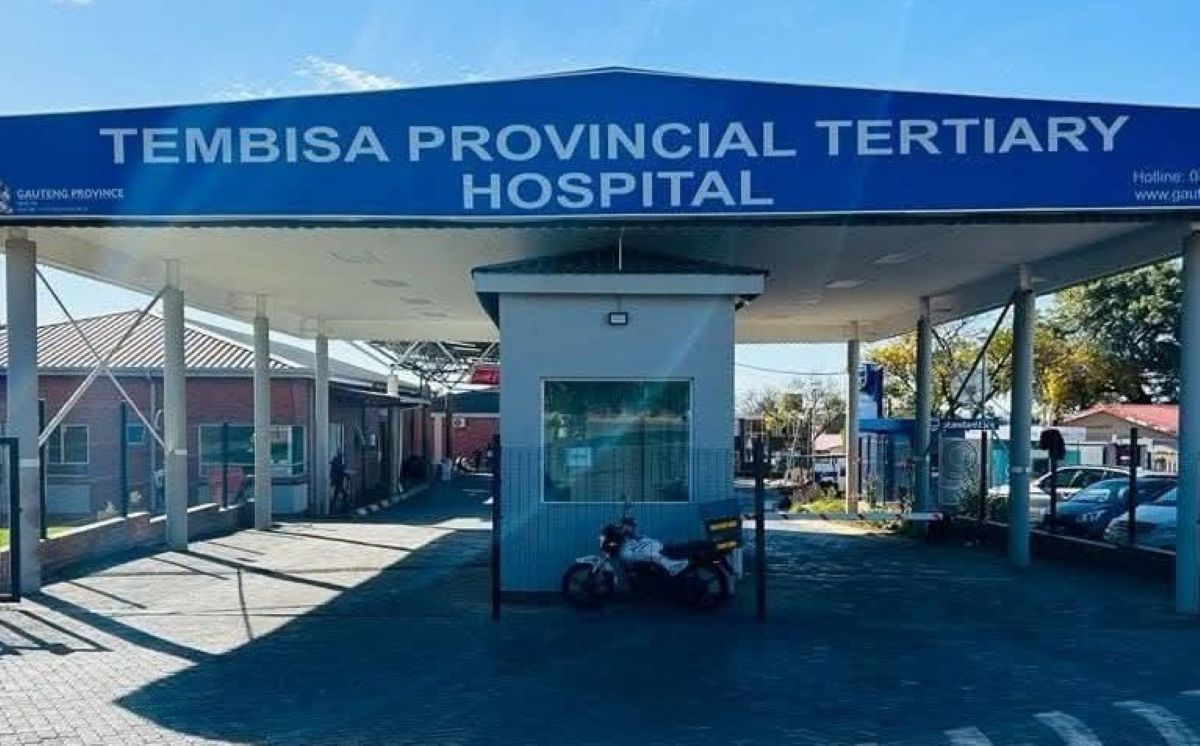
The Gauteng Department of Health (GDoH) has officially acknowledged severe operational pressures, surgical backlogs, and intermittent supply shortages at Tembisa Provincial Tertiary Hospital (TPTH), following public concerns raised by a hospital staff member.
However, provincial health officials firmly refuted allegations that patients have died while waiting for surgical procedures.
The department recognized the strain placed on the facility, which serves as the sole hospital for an estimated 3.5 million residents in the Ekurhuleni North sub-district.
Much of the current bottleneck stems from a devastating fire in April 2025 that damaged the hospital’s Accident and Emergency Department. More than a year and a half later, the facility’s operational capacity and patient flow remain significantly compromised.
Consequently, TPTH remains on ambulance diversion for Priority 1 (P1) critical medical patients, though it continues to treat walk-in emergency patients and handle all surgical cases.
Addressing the whistle-blower’s concerns, the department conceded that the hospital is grappling with admission delays, growing surgical waiting lists, and sporadic shortages of essential medical consumables.
Despite these hurdles, the GDoH stated that clinical records show no evidence of patients dying while awaiting operations, adding that patients waiting for inpatient beds continue to receive active medical care in the interim.
To stabilize the facility, provincial health authorities outlined several ongoing interventions:
- Infrastructure Restoration: Advanced planning is underway through a public-private partnership to refurbish the fire-damaged Accident and Emergency unit, with construction set to begin once final regulatory approvals are secured.
- Workforce Recruitment: To ease pressure on exhausted clinical and support teams, the department has filled several clinical vacancies and is actively recruiting for additional clinical and prioritized administrative roles.
- Supply Chain Overhaul: Officials are tightening procurement and supply chain processes to prevent future stock-outs of medical consumables and accelerate surgical turnaround times.
The department also pledged to provide necessary support to staff members affected by the working conditions, commending doctors, nurses, and support personnel for treating thousands of patients monthly under difficult circumstances.
While the GDoH reiterated its commitment to sustainable improvements across its facilities, patients and community members will be watching closely to see how quickly the long-awaited emergency unit refurbishment translates into tangible relief on the hospital floor.