 By
As scorching El Niño heat waves bore down on Gauteng, Election Day in Ward 31, Orlando East, dawned with a stark irony: residents lined up to cast their ballots while facing completely dry taps.
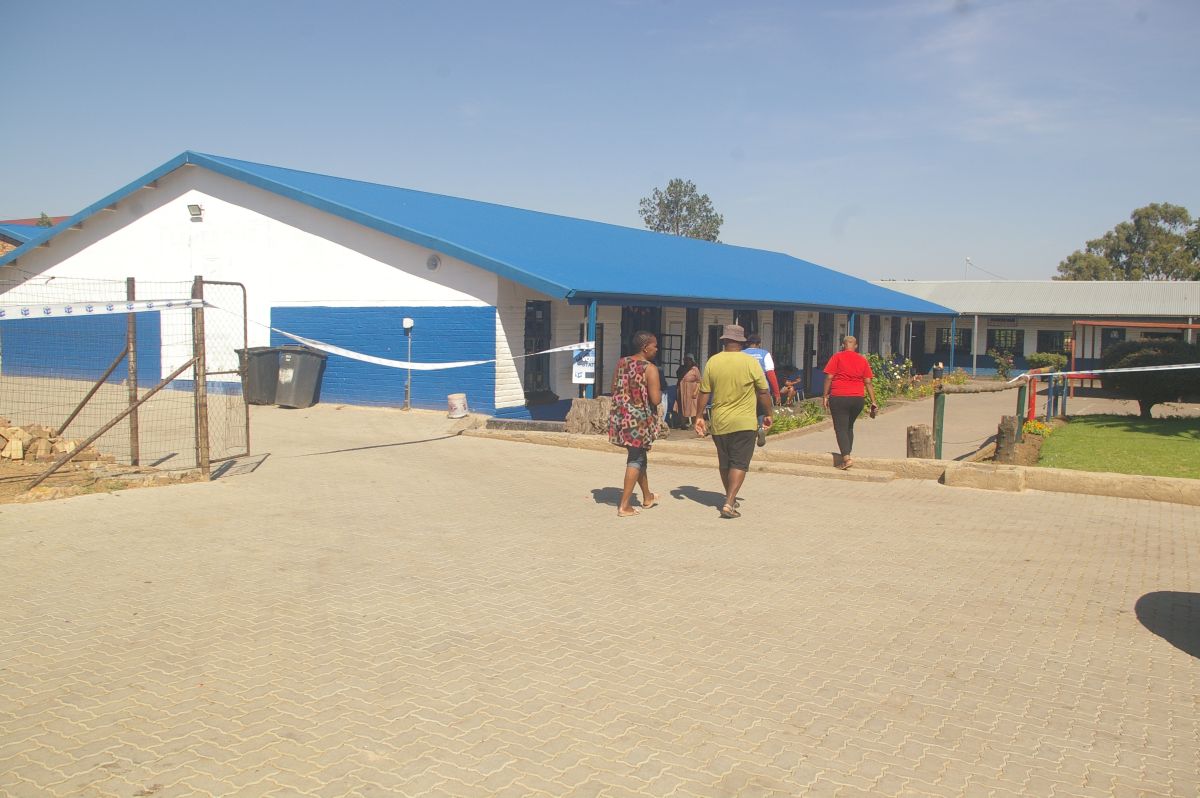
From 7:00 AM, queues began forming across the 11 voting districts in the historic township, capturing a populace sharply divided between a steadfast loyalty to the ballot box and a deep-seated exhaustion with crumbling municipal infrastructure.
For many senior citizens, braving the elements was a non-negotiable civic duty. Elderly couple Maurine Nkomo and her partner Vusi Nkomo beamed after casting their ballots at the Leresche Primary School, continuing a democratic tradition they have upheld since the dawn of South Africa’s democracy.
“It was free and nice, it was not packed and we voted for the people we wanted to vote for,” Maurine Nkomo said, acknowledging the stark realities of their daily struggle. “Even though there is no water and the municipality does not collect refuse, but we voted.”
Yet, juxtaposed against this veteran resilience is a swelling tide of disillusionment, particularly among the township’s youth. Siyabonga Mdluli, a young Orlando East resident and local baseball player, cast his vote with an eye firmly fixed on community development and basic service delivery.
Beyond the frustration of broken streetlights and dry taps on election day, Mdluli voiced concerns over the lack of sporting infrastructure for black youths in townships. Noting that he has to travel as far as Randburg to play his favourite sport—pointing to a national landscape where baseball representation remains starkly scarce—Mdluli emphasized that the youth are looking for structural transformation, employment, and support for grassroots talent.
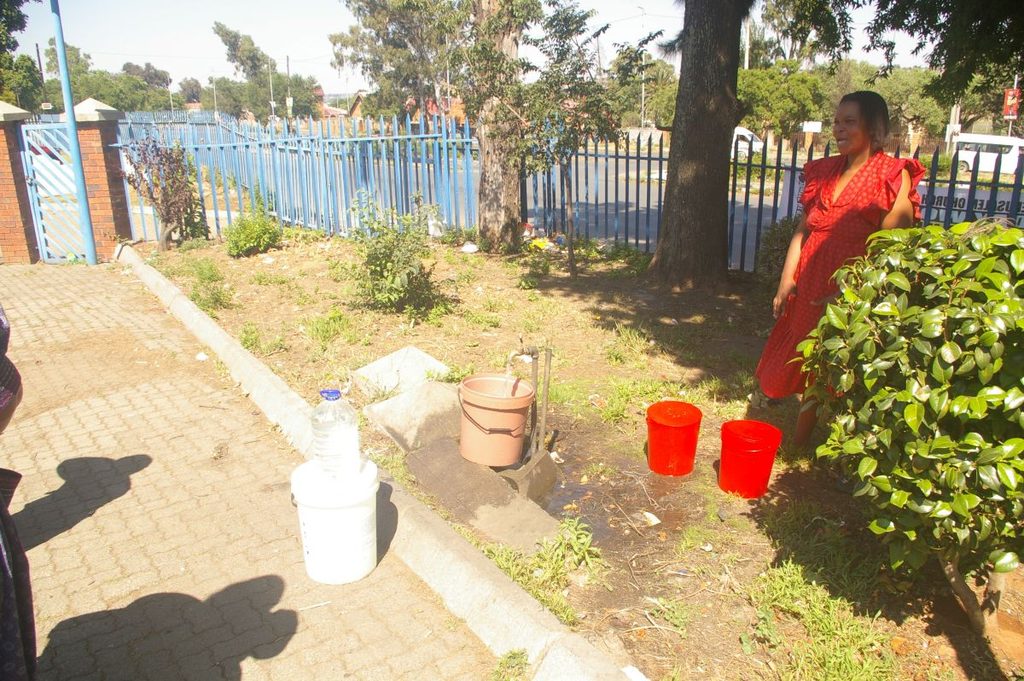
Outside the Orlando Communal Hall, however, the political atmosphere curdled into open anger. The democratic exercise unfolded against a surreal backdrop: residents hauling empty buckets to scavenge for water from a solitary hall tap because municipal infrastructure had failed them yet again.
Frustrated community members openly lashed out at the local government, accusing authorities of systemic neglect and an inability to provide basic human necessities like regular water supply and refuse removal.
The sentiment on the ground reflected a breaking point. One voter, who has historically participated in every election, warned that the compounding failures of basic service delivery had driven her to the edge, leaving her questioning whether she would bother participating as the voting day progressed.
As the sun beat down on Soweto, Ward 31 stood as a microcosm of South Africa’s broader municipal crisis—where the sacred right to vote clashes daily with the indignity of collapsed service delivery, leaving citizens to weigh the power of their vote against the promise of tangible change.