 By
MIDVAAL – Qualifying residents in the Sedibeng District have received keys to newly completed homes following an official handover by the Gauteng Provincial Government at the ERF 78/Sicelo Shiceka Development Project in the Midvaal Local Municipality.
The intervention, which forms part of the broader 720-unit housing project, marks a significant step in the province’s ongoing efforts to restore dignity and improve living conditions for vulnerable households.
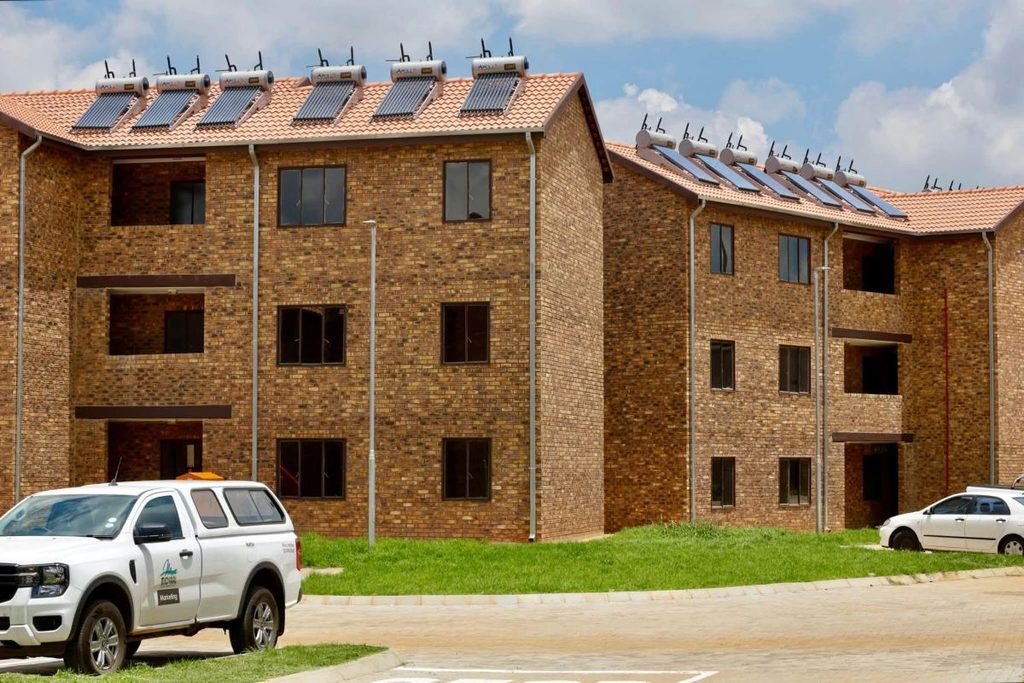
Of the total units planned for the development—which incorporates 180 homes built using Innovative Building Technologies (IBT)—the current phase comprises 540 units, with 180 allocated to beneficiaries during the ceremony.
The handover comes on the back of a targeted provincial intervention. Following an official assessment that deemed several existing units uninhabitable, affected occupants were relocated to alternative blocks. This move enabled authorities to carry out necessary refurbishments and rectify critical plumbing defects before transferring beneficiaries into safe, completed homes.
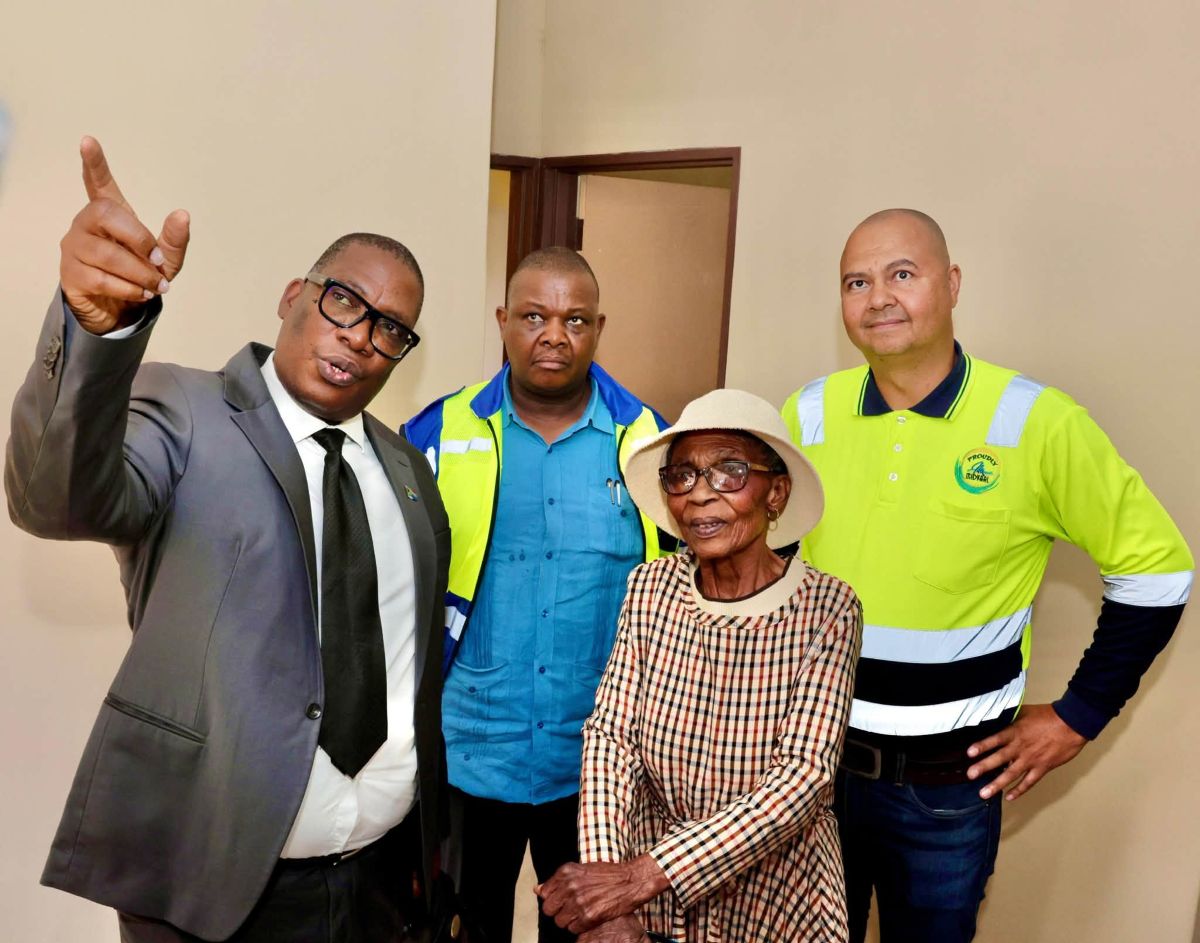
Addressing recipients at the ceremony, Gauteng Premier Panyaza Lesufi congratulated the new homeowners and urged them to protect and maintain their properties. He emphasised that state-subsidised housing goes beyond providing basic shelter, representing a vital generational asset and a long-term investment in family stability.
During his remarks, Lesufi also addressed ongoing public scrutiny surrounding housing allocation criteria, reiterating that state-funded properties are strictly reserved for qualifying South African citizens.
“Today, as we hand over these houses, I see South African beneficiaries. I do not see foreign nationals,” Lesufi stated. “Therefore, I do not want to be accused of giving houses to people who do not qualify. This government does not allocate subsidised houses to foreign nationals.”
Beyond housing, the Premier encouraged the Sicelo Shiceka community to pursue local economic empowerment through collective business initiatives, specifically highlighting community-owned spaza shops.
“As a community of Sicelo Shiceka, you can come together, pool your resources and establish your own spaza shops,” Lesufi said. “It is better when you run your own businesses because you have a direct interest in the quality of the products you sell. You would not want to sell expired food to your own children.”
Acting Gauteng MEC for Human Settlements, Jacob Mamabolo, commended the beneficiaries for their patience throughout the construction and rectification processes. While acknowledging the logistical and infrastructure challenges that often accompany large-scale housing developments, Mamabolo reaffirmed the department’s mandate to deliver decent, habitable homes.
He further appealed to residents still waiting for housing allocations to remain patient, assuring them that the provincial government is actively working to clear the housing backlog and accelerate delivery across Gauteng.
According to the Gauteng Department of Human Settlements, the Sicelo Shiceka handover aligns with its broader strategy to provide security of tenure and foster integrated, sustainable communities where residents can thrive.