 By
The Democratic Alliance (DA) has put what it calls a “full and final offer” on the table for ActionSA, proposing a confidence-and-supply model aimed at establishing stable governments in Johannesburg, Tshwane and Ekurhuleni following inconclusive local election results.
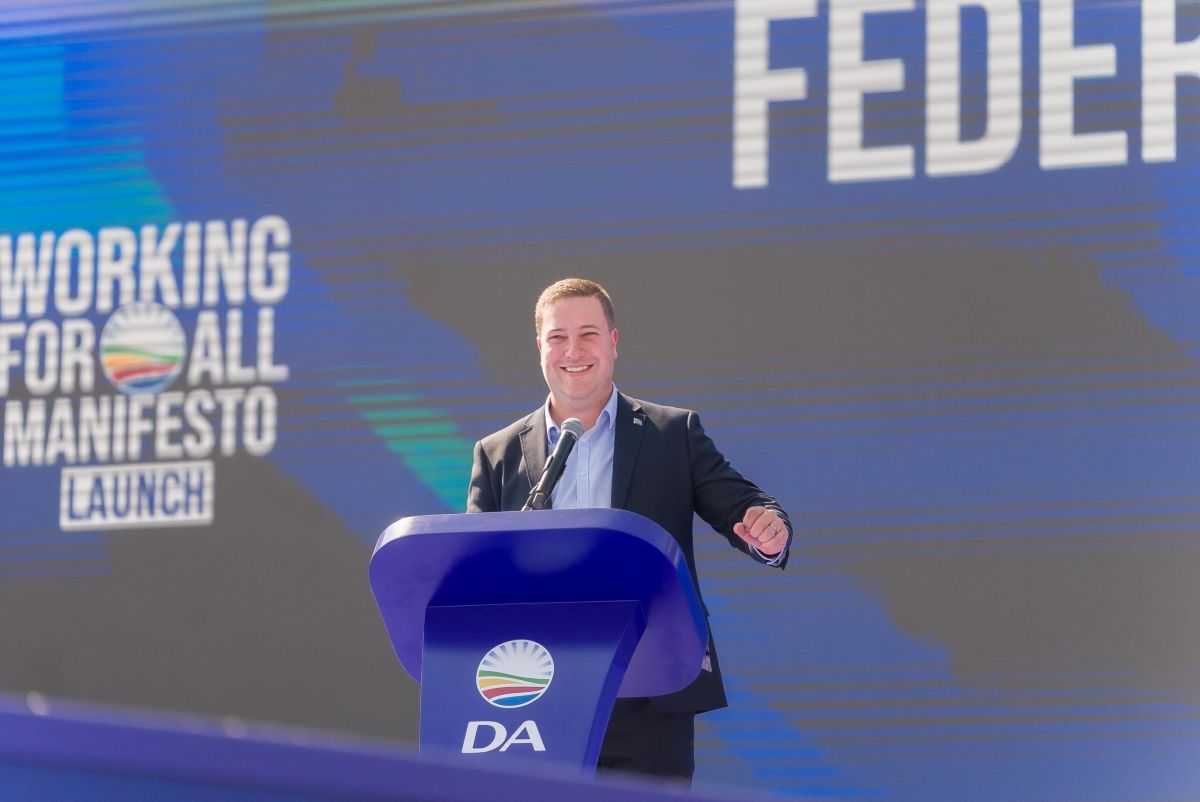
The DA Leader Geordin Hill-Lewis said the party decided to make the terms of its proposal public after a copy of the letter sent to ActionSA reached the media. Previously, Hill-Lewis noted, the DA had kept negotiations private and avoided negotiating through the press, but chose transparency so residents could see what the party is willing to support in each metro.
How the Confidence-and-Supply Model Would Work
Rather than pursuing a conventional multiparty coalition, the DA is pitching a confidence-and-supply arrangement designed to deliver stability while sidestepping friction between parties. Under the proposed structure:
- Mutual Backing for Leadership: Each party would back the other’s mayoral and speaker candidates, helping protect those positions against motions of no confidence.
- Independent Administrations: Mayors would be free to appoint officials from within their own party ranks and run their administrations on their own terms.
- Tshwane: ActionSA’s Nasiphi Moya would form the government.
- Johannesburg: DA mayoral candidate Helen Zille would form the government.
- Ekurhuleni: DA mayoral candidate Khathutshelo Rasilingwane would form the government.
Hill-Lewis argued that allowing each party to govern its respective metro without forcing a traditional coalition structure could reduce the risk of internal clashes derailing governance.
Broader Council Math and Voter Pressure
While the DA won the largest share of the vote in the metros, no single party secured an outright majority. Where combined DA and ActionSA seats fall short of a 50%-plus-one majority, Hill-Lewis said the DA is holding ongoing discussions with other parties in those councils to strengthen the proposed arrangement.
Framing the stakes around service delivery and institutional decay, Hill-Lewis contended that the challenges confronting Gauteng’s major cities are too severe to let personality disputes or past grievances dictate the future of millions of residents.
He added that voters had rejected the unstable coalitions of the past that failed to provide reliable basic services, and urged ActionSA to weigh the proposal carefully to end what he described as coalition chaos.
High-Stakes Stand-Off in Gauteng
The public push comes amid intense and fractious coalition manoeuvring across Gauteng’s metros. ActionSA leader Herman Mashaba has publicly objected to working with the DA while figures such as Helen Zille and former Tshwane mayor Cilliers Brink are involved, while reports have also pointed to competing talks involving the ANC and other parties.
With municipal councils preparing to convene, the DA’s “final” offer tests whether a reciprocal confidence-and-supply compromise can break the deadlock—or whether rival pacts will side-line the DA altogether.