
 By
While traditional overseas strongholds in Europe, North America, and Asia continue to anchor South Africa’s rooibos export economy, the African continent is rapidly emerging as a strategic frontier for regional trade, retail distribution, and product innovation.
According to new industry data and insights from the South African Rooibos Council (SARC), African markets have steadily evolved from peripheral buyers into an established pillar of the sector’s international footprint over the past decade.
African nations first broke into the industry’s top ten export destinations in 2016, setting the stage for closer-to-home commercial expansion across Southern Africa and beyond.
Navigating Regional Trade Dynamics
Overall global demand for rooibos has surged over the past ten years, with total international exports climbing from roughly 5,900 tonnes in 2015 to more than 10,900 tonnes in 2025 across over 50 countries. Within this broader global trajectory, shipments into the rest of Africa accounted for 7.7% of total rooibos exports in 2025.
Recent trade figures illustrate both the strong growth appetite on the continent and the fluctuating economic headwinds exporters must navigate. Between 2022 and 2024, rooibos shipments to African destinations jumped by approximately 33%, rising from 812 tonnes to 1,082 tonnes.
Although regional export volumes pulled back by 22.7% in 2025 to roughly 837 tonnes, overall continental demand still held 3.1% above 2022 baseline levels.
Southern African neighbours continue to drive the bulk of regional consumption, with Botswana, Zimbabwe, and Namibia collectively absorbing more than 70% of all African shipments. Botswana maintained its position as the continent’s largest single market, accounting for 38.1% of African exports.
Meanwhile, pockets of strong resilience emerged elsewhere in the region during 2025, led by Namibia—which posted a 10.9% year-on-year volume increase—and Eswatini, where shipments grew by 3.2%.

Shifting Consumer Trends and Product Diversification
For Joe Swart, Research Director at SARC, unlocking the continent’s long-term commercial value hinges on aligning rooibos’ inherent attributes with evolving demographic and lifestyle trends across African households.
“Growing health and wellness awareness, together with Rooibos’ naturally caffeine-free properties and strong African heritage, presents an opportunity to attract more consumers,” Swart noted. “Affordable, everyday beverages that can be enjoyed by the whole family are particularly relevant in these markets.”
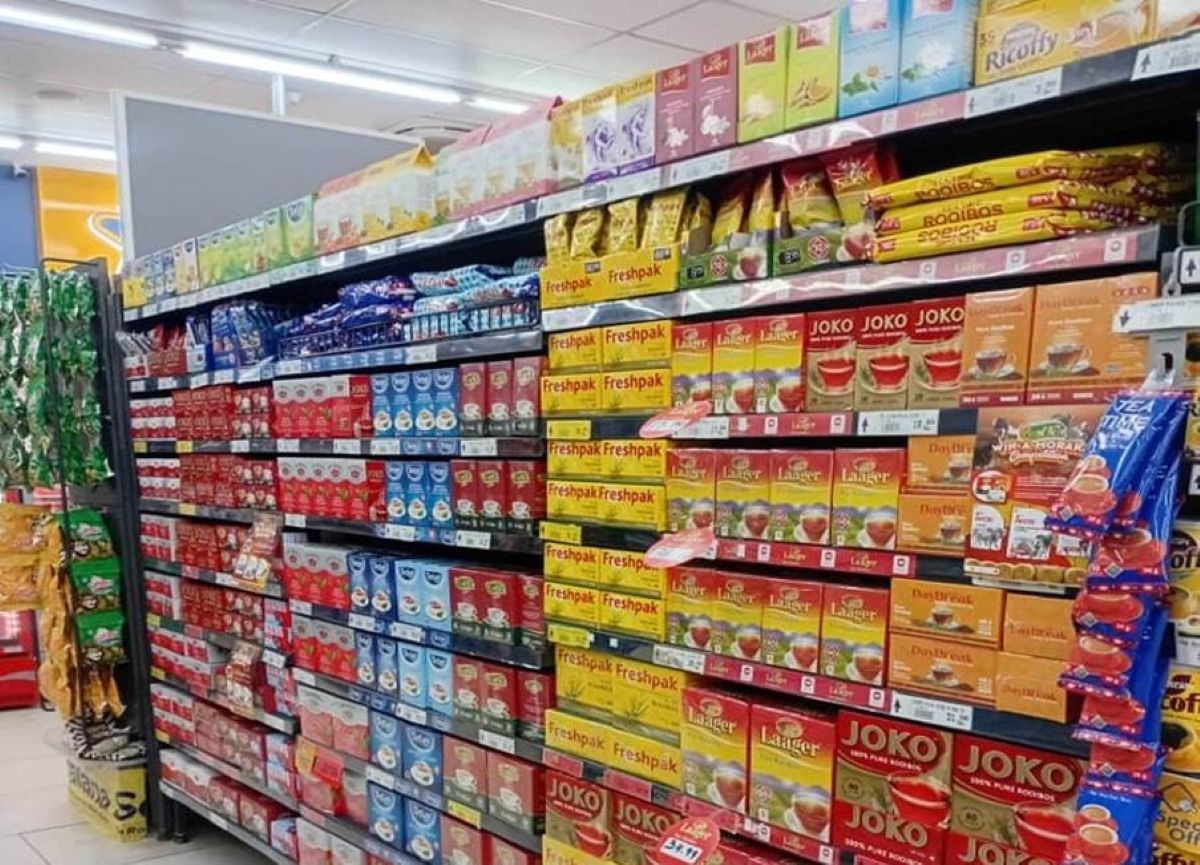
While expanded shelf presence through formal retailers, wholesalers, and cross-border distributors is steadily introducing the indigenous brew to new shoppers, industry leaders see substantial room to diversify beyond the traditional hot tea format.
Manufacturers and brand owners are increasingly targeting adjacent beverage categories—including iced rooibos, ready-to-drink formats, vitamin-fortified beverages, functional wellness blends, and dedicated children’s lines.
“Product innovation allows Rooibos to adapt to different consumer preferences, lifestyles and occasions,” Swart explained. “It also creates opportunities for manufacturers and distributors to explore new segments of the beverage market, while introducing the product to consumers who may not traditionally have considered Rooibos.”
Overcoming Market Barriers Through Localisation
Despite the promising upside, scaling across African markets presents distinct structural and commercial hurdles. Black tea remains deeply entrenched as the dominant category by volume across most of the continent, requiring rooibos producers to compete against established consumer habits.
Furthermore, acute price sensitivity, cross-border distribution costs, and low brand familiarity in less-established territories continue to test profit margins and market entry strategies.
To overcome these friction points, SARC emphasises that exporters must prioritise tailored localisation rather than relying on a one-size-fits-all export model. Adapting pack sizes to match household cash flows, incorporating local languages on packaging, calibrating price points, and aligning retail execution with regional shopping habits will be critical to winning market share.
“Rooibos has a distinctive proposition. It is naturally caffeine-free, can be enjoyed by people of all ages and has a strong South African heritage,” Swart said. “The opportunity is to build on these qualities while responding to what consumers in individual markets want and can afford.”
As South Africa’s agricultural sector looks to deepen intra-African trade ties, the rooibos industry’s continental push underscores the commercial potential of adding value to indigenous crops closer to home.
“Africa offers significant long-term potential for Rooibos, but growth will require sustained investment in distribution, consumer awareness and product innovation,” Swart concluded. “Understanding the needs and purchasing power of consumers in individual markets will be key to developing these opportunities.”