 By
JOHANNESBURG — The African National Congress (ANC) has pushed back against suggestions that its post-election municipal coalition negotiations are driving the rand toward R17 against the US dollar, insisting that financial markets have no right to dictate political alliances.
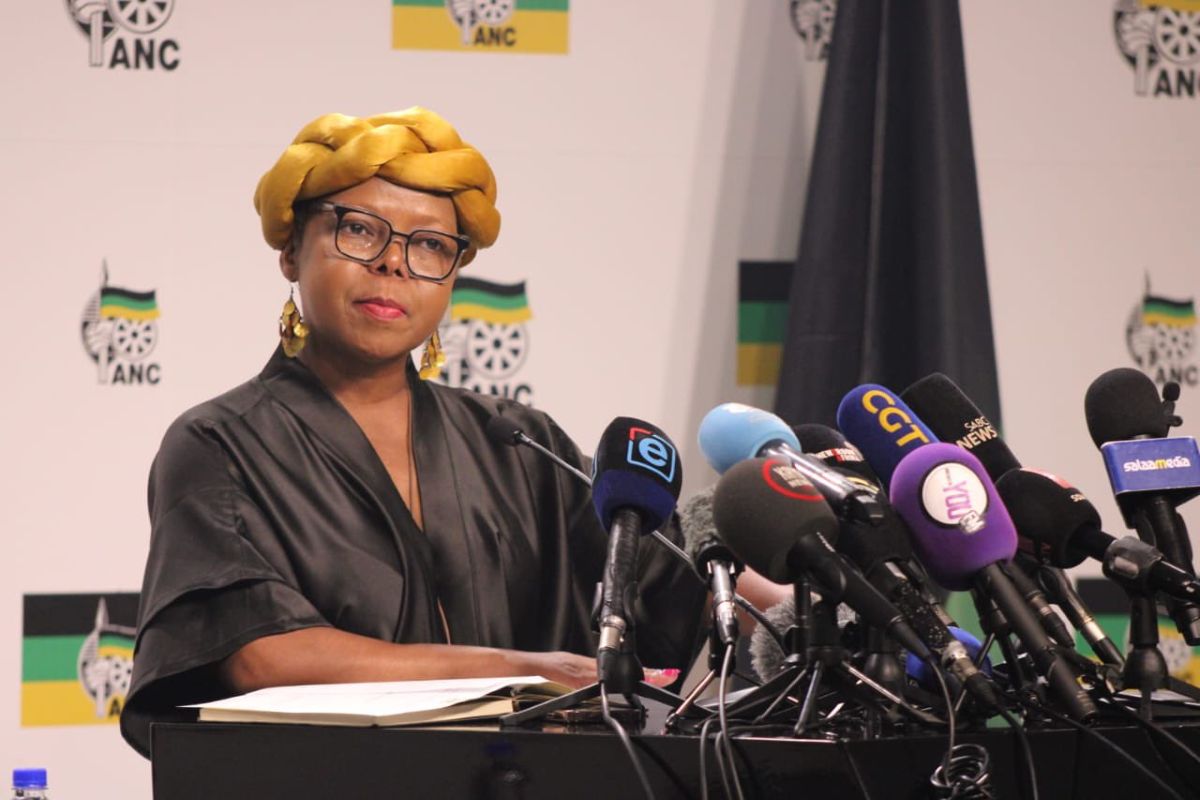
ANC National Spokesperson Mahlengi Bhengu dismissed a recent BusinessTech report linking the currency’s slide to coalition deliberations involving the Democratic Alliance (DA).
The BusinessTech article had cited market anxiety over signs that the ANC might side-line the DA in key hung municipalities in favour of smaller or left-leaning parties.
Bhengu argued that the reporting created a “misleading impression,” noting that the underlying economic analysis within the very same report attributed the rand’s depreciation to global macroeconomic forces—specifically a stronger US dollar and investor expectations of higher US interest rates.
While acknowledging that currency volatility poses serious challenges for the domestic economy—driving up input costs for micro and small enterprises and complicating pricing for exporters—the ANC maintained that monetary fluctuations cannot be laid at the door of local government negotiations.
The pushback comes amid intense, high-stakes horse-trading across South Africa’s hung councils following the 2026 local government elections. With no single party securing outright majorities in major metros outside of Cape Town, negotiations have entered a critical phase.
Addressing the DA’s standing in these talks, the ANC noted that the Electoral Commission had declared the polls free and fair, and acknowledged that the DA’s 24.64% share of the national vote—roughly one in four ballots—entitles it to a seat at the negotiating table alongside other parties.
However, Luthuli House drew a firm boundary against external economic coercion. “In hung councils, coalition arrangements must reflect the mandates voters gave their elected representatives,” the statement read. “Financial markets have no right to dictate those negotiations or to pressure the ANC into a coalition with the DA.”
The party reiterated that its negotiating team will evaluate every proposed municipal arrangement strictly on its capacity to establish stable, accountable administrations that improve service delivery, protect public resources, and advance transformation. As council inauguration deadlines loom, the ANC insisted its decisions will remain anchored in the interests of local communities rather than investor sentiment.