 By
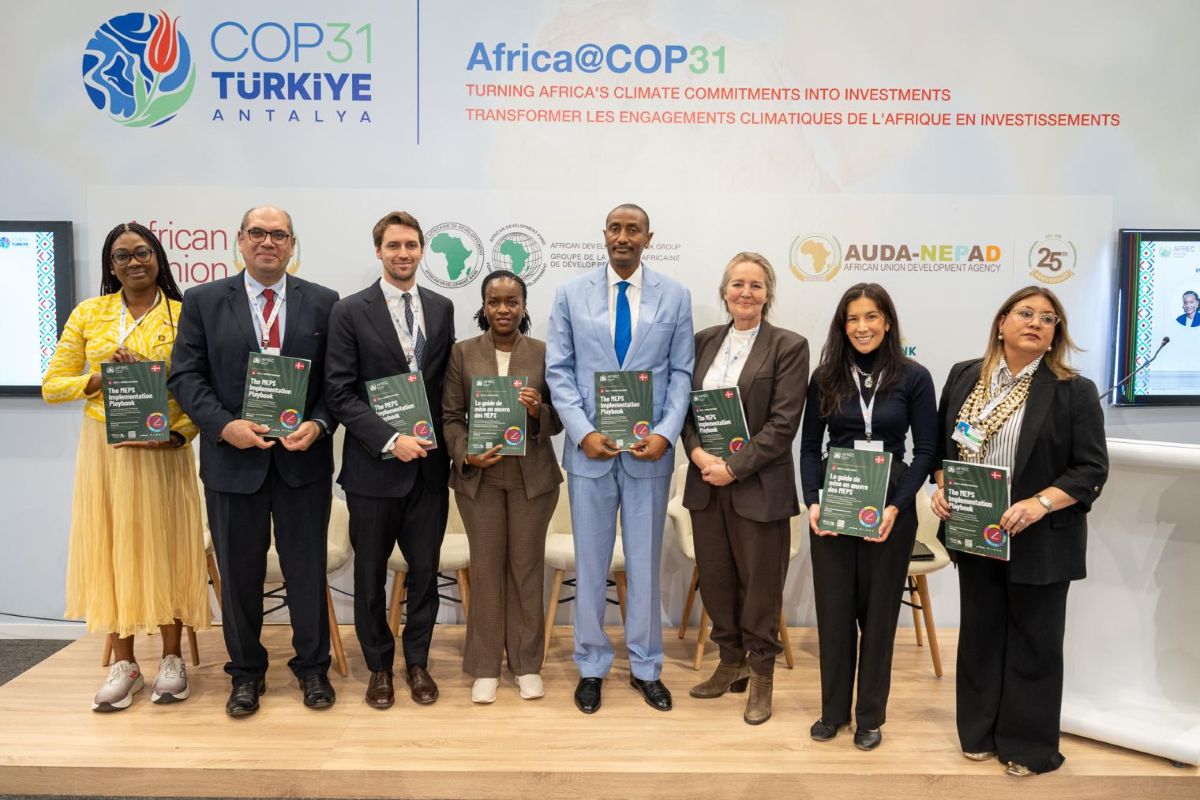
Africa’s journey toward sustainable industrialization and economic resilience received a strategic boost at COP31, where the African Energy Commission (AFREC) launched a comprehensive suite of continental energy efficiency handbooks.
The rollout marks a pivotal shift in how the continent approaches energy productivity, aiming to decouple economic growth from spiralling energy demand by establishing rigorous Minimum Energy Performance Standards (MEPS) for electrical appliances.
Convened under the high-level side event theme “Building the Momentum: Energy Efficiency as a Lever for Africa’s Transformation,” the gathering brought together key stakeholders, including African governments, regional financial institutions, development partners, and private sector investors.
Against the backdrop of global climate negotiations, the dialogue underscored a central economic reality: energy efficiency is not merely an environmental obligation, but a cornerstone for industrial competitiveness, job creation, and fiscal relief for households.
Harmonizing Standards to Unlock Continental Markets
The newly launched MEPS handbooks provide practical, standardized guidance designed to harmonize energy performance frameworks across fragmented national markets. Developed under the Danish-supported Efficiency First: Powering Africa’s Sustainable Development programme (2024–2028), the initial phase of handbooks targets high-consumption electrical categories, including household refrigerators, air conditioners, electric motors, and lighting.
To date, more than 100 experts have undergone specialized training utilizing these resources. Furthermore, AFREC announced that a second set of guidelines covering distribution transformers, commercial refrigerators, comfort fans, washing machines, televisions, and electric ovens is already nearing completion.
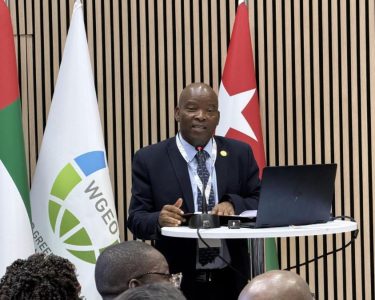
By aligning standards across borders, these frameworks prevent inefficient technologies from being dumped into developing markets while lowering compliance costs for manufacturers operating regionally. AFREC Executive Director Rashid Ali Abdallah emphasized the urgency of scaling these interventions from policy to practice.
“We must accelerate implementation, reach more countries and expand action across industry, buildings, power, appliances and agriculture. Together, we must deepen cooperation with financial institutions and private investors to ensure that energy efficiency investment creates jobs and improves livelihoods in our communities,” said Abdallah.
This framework directly supports the overarching African Energy Efficiency Strategy and Action Plan (AfEES), which targets ambitious continental milestones: improving energy productivity by 12% by 2030, 50% by 2050, and 70% by 2063.
International Partnerships and Financial Mobilization
Achieving these sweeping targets requires robust international cooperation and targeted capital deployment. Denmark’s Director for Green Diplomacy and Climate at the Ministry of Foreign Affairs, Mette Nørgaard Dissing-Spandet, noted the cross-sectoral economic dividends of these policies.
“Making better use of existing resources and infrastructure can help African countries expand access to modern energy services, strengthen industrial competitiveness, and improve essential public services,” Dissing-Spandet stated.
Complementing the Danish-backed initiative, the European Union-funded Continental Energy Programme in Africa (CEPA) is actively assisting ten nations—Senegal, Zimbabwe, Madagascar, Burundi, Algeria, Tunisia, Guinea, Botswana, Côte d’Ivoire, and Cameroon—in formulating National Energy Efficiency Strategies aligned with AfEES.
Financing remains a critical bottleneck for green infrastructure in developing economies. To bridge this gap, discussions at COP31 spotlighted the Africa Energy Efficiency Facility (AfEEF). Launched by the African Union and South Africa during South Africa’s G20 Presidency in 2025, the facility is engineered to mobilise vital financing, harmonize regulatory frameworks, and build local enforcement capacity.
The high-level event was convened under the banner of the African Energy Efficiency Alliance (AfEEA), drawing active participation from institutional heavyweights such as the African Development Bank (AfDB), the Regional Centre for Renewable Energy and Energy Efficiency (RCREEE), CLASP, UNIDO, SEforALL, OLADE, and C2ES.
Looking Ahead: Kigali 2027
Building on the momentum of the inaugural African Energy Efficiency Conference held in Addis Ababa, Ethiopia, in December 2025, AFREC announced that the Second African Energy Efficiency Conference will take place from 14–15 October 2027 in Kigali, Rwanda. Co-hosted by AFREC and the Republic of Rwanda through its Ministry of Infrastructure, the upcoming summit aims to secure concrete investment commitments and review implementation progress.
Representing the host nation, Rwanda’s Minister of Environment, H.E. Dr. Bernadette Arakwiye, reaffirmed the country’s dedication to driving regional green growth.
“Building on the inaugural conference, we invite all partners to bring their expertise, technologies and investment proposals needed to turn Africa’s energy efficiency ambitions into action,” Dr. Arakwiye urged.
As African economies grapple with constrained fiscal spaces and rising electricity demand, the strategic deployment of energy efficiency offers a high-return macroeconomic solution. By cutting household energy bills, reducing strain on national grids, and boosting industrial output, the continent’s new regulatory push promises to transform energy conservation into a powerful engine for sustainable economic development.