 By
The South African mining and energy sectors are standing at a critical juncture, balancing the imperatives of structural transformation, private sector collaboration, and the urgent push for domestic mineral beneficiation.
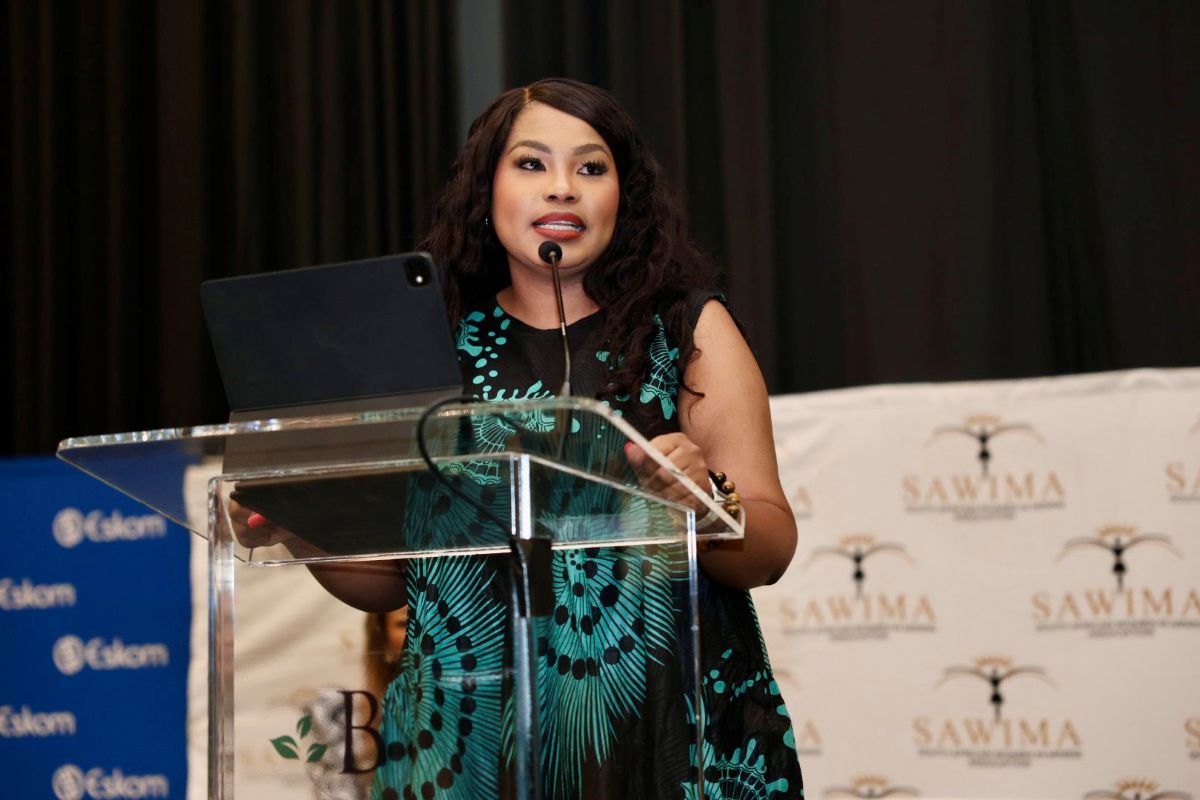
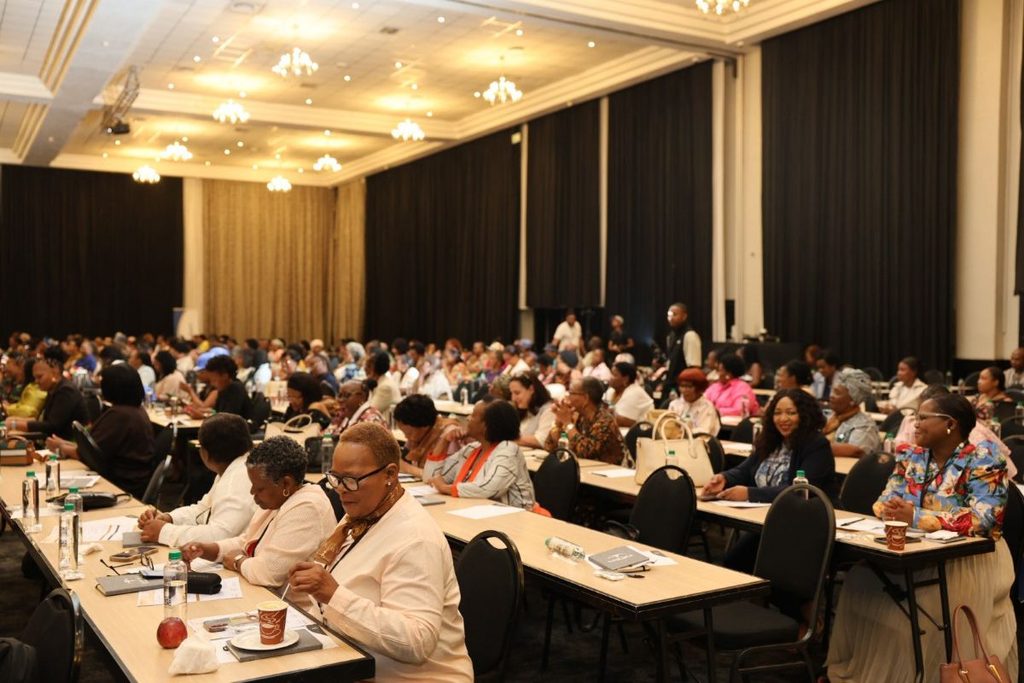
Speaking on Thursday, 12 November, at the South African Women In Mining Association (SAWIMA) Conference, Deputy Minister of Mineral and Petroleum Resources Phumzile Mgcina outlined the government’s strategic interventions to reshape the economic landscape, foster inclusion, and move beyond historical models of resource extraction.
From Historical Exclusion to Inclusive Growth
For decades, South Africa’s mining industry operated as a central pillar of an apartheid-era economy built on racial exclusion, exploitation, and the strict prohibition of women from working in mines.
Today, however, approximately 78,000 women work within the industry, including senior executives leading multinational companies, alongside a growing presence of women in the petroleum sector.
This shift was driven by deliberate political choices, progressive legislation, and sustained government intervention following the dawn of democracy in 1994. Through the enactment of the Mineral and Petroleum Resources Development Act (MPRDA)—which established the State as custodian of the nation’s mineral and petroleum resources—and the Mining Charter, the regulatory framework was fundamentally redefined to ensure that the country’s wealth benefits all South Africans.
Unlocking Investment through Targeted Funds
Acknowledging that progressive legislation must be paired with practical access to economic opportunities, the Department of Mineral and Petroleum Resources has rolled out targeted financial mechanisms to support junior and small-scale operators.
The Junior Mining Exploration Fund (JMEF) directly addresses the reality that exploration is the foundational pipeline for a sustainable mining industry. The Department is currently supporting 15 exploration projects nationwide with a combined value of R400 million. This initiative has attracted strong institutional backing, featuring significant private and public sector partnerships:
- Anglo American: Pledged R600 million toward the Fund.
- Public Investment Corporation (PIC): Committed R1 billion to support early-stage mining projects and exploration activities across South Africa.
Simultaneously, the Artisanal and Small-Scale Mining (ASSM) Fund is lowering barriers for emerging operators who face hurdles regarding capital equipment, operational funding, and rehabilitation guarantees. During the 2025/26 financial year, at least 20 artisanal and small-scale mining projects received R59.7 million in funding, complemented by an additional R31.12 million set aside in the current financial year.
Alongside financial aid, nationwide awareness programs are equipping communities and entrepreneurs with vital knowledge on licensing, compliance, and regulatory requirements.
Shifting from Exporting Raw Materials to Beneficiation
Despite a century-long history of mining, South Africa has historically exported valuable mineral resources in unprocessed or semi-processed forms, exporting jobs, industrial opportunities, and economic value alongside them.
To break away from this extractive model, the government is intensifying its focus on mineral beneficiation and value addition closer to the point of production. This transition is designed to stimulate domestic supply chains, expand industrial capacity, and generate sustainable employment.
Crucially, initiatives like SAWIMA and broader policy frameworks aim to ensure that women-owned enterprises actively participate across the entire value chain—from exploration and mining to processing and energy production.
Sustainable economic transformation requires a united front. By combining robust state custodianship, private sector capital commitments, and grassroots advocacy from organizations like SAWIMA, South Africa is steadily building an inclusive economy where women and youth do not merely participate, but lead and shape the nation’s industrial future.