 By
Statistics South Africa (Stats SA) has officially released its landmark benchmarked and rebased estimates of Gross Domestic Product (GDP), shifting the country’s economic baseline from 2015 to 2022.
The comprehensive structural overhaul—published in October 2026—lifts the measured size of South Africa’s economy in the 2022 base year to R6,990 billion, up 4.9% from the previously reported R6,666 billion.
The report, National Accounts: Sources and Methods (Report No. 04-04-04), details how post-pandemic structural shifts, improved data ecosystems, and updated international frameworks have been integrated to ensure South Africa’s economic heartbeat is measured with high precision.
Navigating the Post-Pandemic Economy: Why 2022?
International standards set by the United Nations recommend periodic rebasing and benchmarking every five years to capture evolving price structures, technological advancements, and shifting consumer habits.
While South Africa’s last major revision established 2015 as the base year, the subsequent 2020 update cycle was deferred.
According to Statistician-General Risenga Maluleke, 2020 was heavily distorted by the COVID-19 pandemic and could not serve as a “normal” economic baseline. Consequently, Stats SA selected 2022 as the new stable anchor year, mapping a seamless historical back series from 2018 onward.
While rebasing shifts the constant-price reference year to reflect modern price weights, benchmarking improves data integrity by aligning high-frequency quarterly series with comprehensive structural surveys, tax records, and census data.
Key Upward Revisions and Sectoral Shifts
The 2026 benchmarking exercise revised GDP levels upward across all years from 2018 to 2023, with percentage differences averaging 4.2% annually. Two primary sectors drove the most substantial revisions:
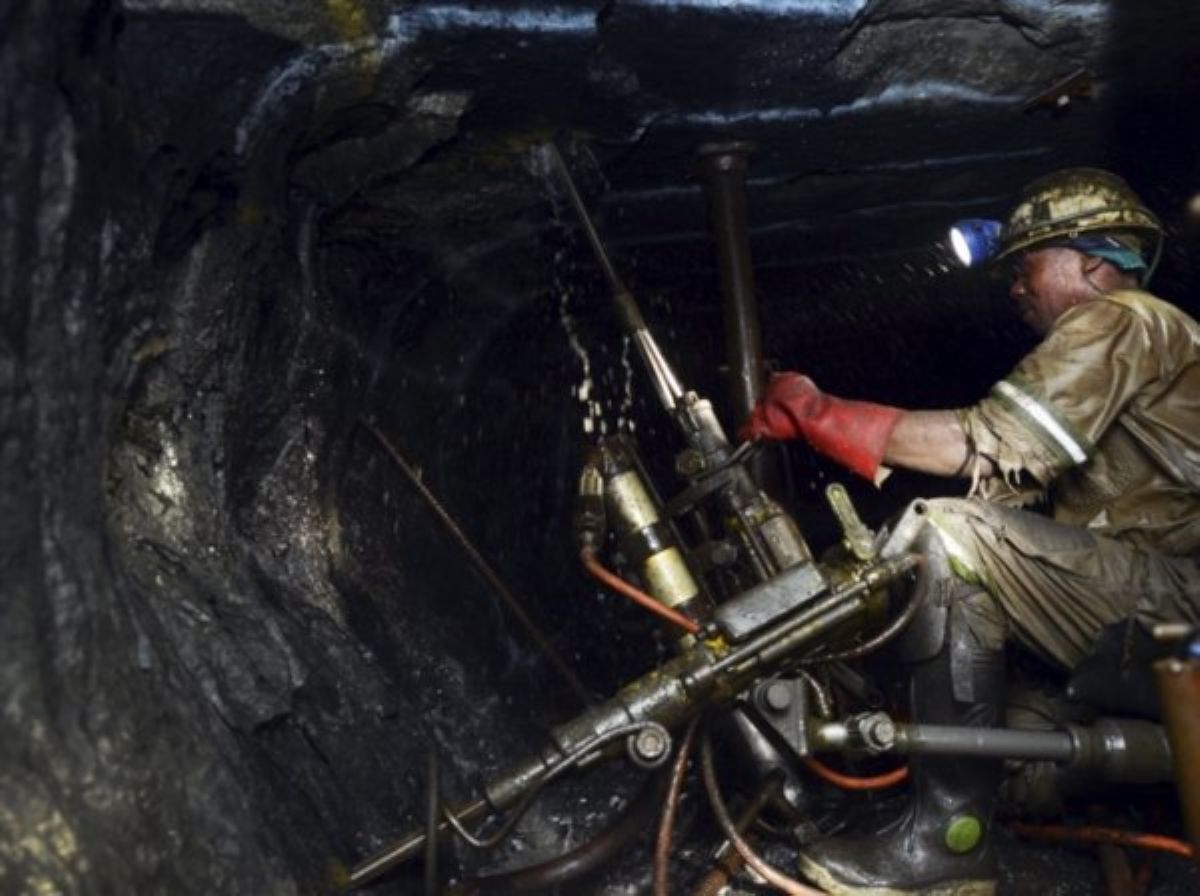
- Mining and Quarrying (12.5% increase): The sharp upward adjustment in the mining sector was largely propelled by the inclusion and enhanced coverage of illegal and informal mining activities, such as unregulated artisanal “Zama Zamas”.
- Finance, Real Estate, and Business Services (9.1% higher): This surge stems from refined methodologies for compiling owner-occupied housing estimates within real estate activities, alongside deeper integration of South African Reserve Bank (SARB) financial data.
Furthermore, the revised series highlights a notable post-pandemic expansion of the Non-Observed Economy (NOE). Stats SA’s broadened methodological scope now systematically accounts for informal transport (such as minibus taxis and e-hailing services), rooftop solar and household own-account electricity generation, online gambling, and physical and digital prostitution services.
Modernizing Classifications and Data Ecosystems
The latest overhaul implements several crucial methodological upgrades to align closer with the 2008 System of National Accounts (2008 SNA):
- COICOP 18 Implementation: Household item classifications have transitioned to the 2018 Classification of Individual Consumption According to Purpose (COICOP18).
- Institutional Reclassifications: Entities such as the Passenger Rail Agency of South Africa (PRASA) have been reclassified from public corporations to general government, ensuring cleaner sector boundaries.
- Establishment-Based Reporting: Manufacturing, trade services, and transport divisions have transitioned closer to pure establishment-based reporting, cleanly separating trade margins from production.
Although the international community adopted the updated 2025 SNA and ISIC Rev. 5 classifications in March 2025, Stats SA noted that South Africa requires careful resource planning and dual-coding of its statistical business register before full implementation, which is targeted for alignment with Organisation for Economic Co-operation and Development (OECD) guidelines by 2029.
A Collaborative National Effort
The rebasing and benchmarking project was executed in close collaboration with the South African Reserve Bank (SARB), which manages complementary macroeconomic dimensions through its Quarterly Bulletin and vital balance of payments data.
By integrating rich new datasets—including the 2022 Population Census, the 2022/23 Income and Expenditure Survey (IES), and large-sample industrial censuses—Stats SA has delivered a modernized macroeconomic framework. This enhanced statistical foundation equips policymakers, investors, and analysts with a sharper lens to navigate South Africa’s economic landscape.