 By
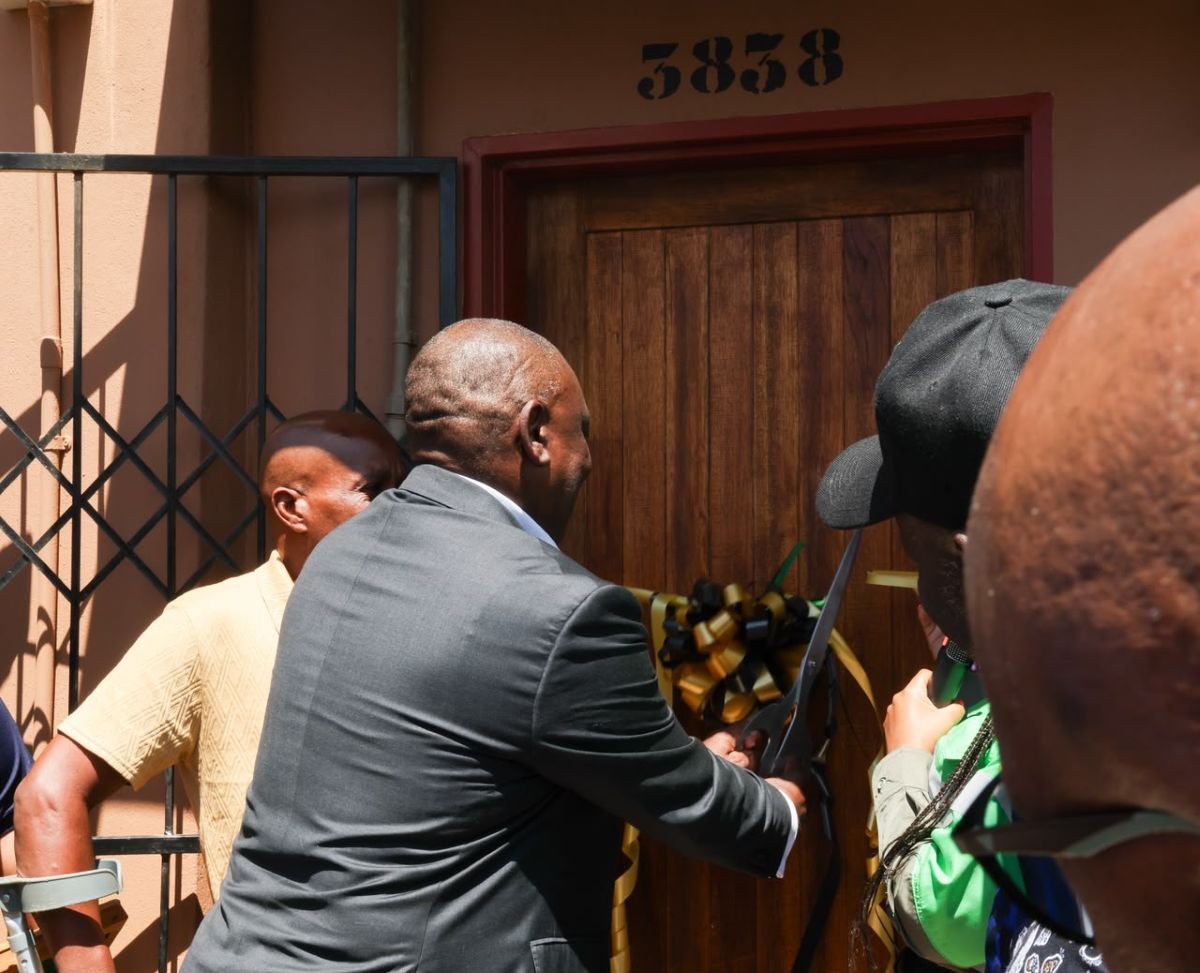
DURBAN — Four years after catastrophic floods devastated parts of KwaZulu-Natal and displaced thousands, President Cyril Ramaphosa returned to the province to hand over permanent homes to families who lost everything in the 2022 disaster.
Speaking at the Cornubia Integrated Human Settlement Milestone Celebration, Ramaphosa emphasized that emergency relief must never become a permanent way of life, framing the massive housing project as a vital step toward restoring human dignity and reversing the apartheid-era legacy of spatial planning.
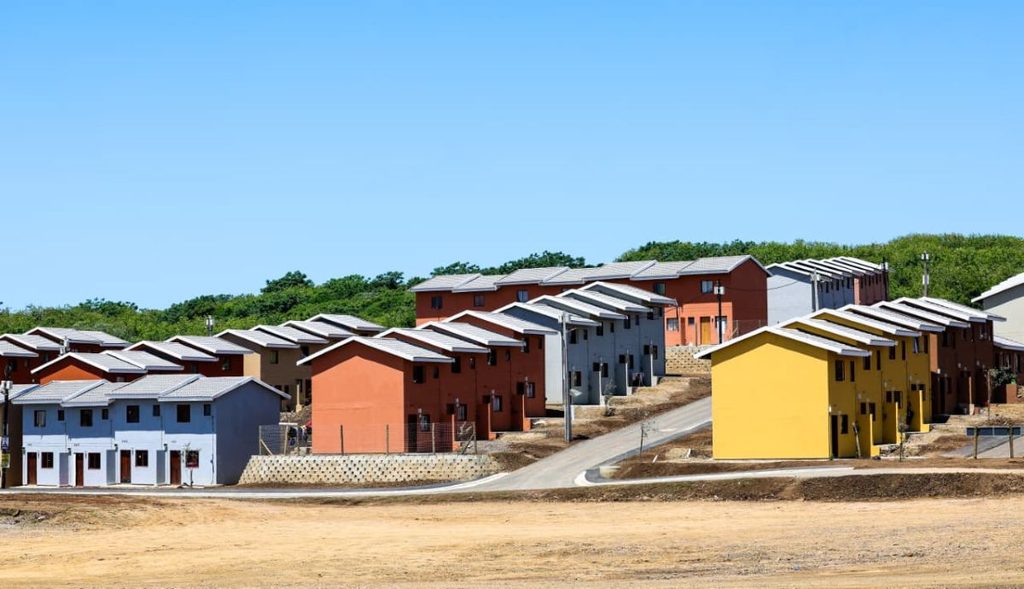
The Cornubia development, which spans over 1,300 hectares, represents a shift away from isolated, poorly located townships toward integrated communities. Designed to accommodate more than 110,000 people over the next decade to 15 years, the mega-project incorporates permanent educational facilities like the Solomon Mahlangu Primary School, a clinic, sports complexes, multi-purpose halls, and a growing business park.
Phase I of the project has already seen the delivery of over 2,600 homes, with an additional 145 units currently under construction under Phase 2 to specifically house remaining flood victims by mid-2027.
A National Housing Evolution
The milestone comes as South Africa marks 30 years since the adoption of its democratic Constitution, which guarantees the right to adequate housing. Citing figures from Census data, the President noted that the share of households living in formal dwellings has risen significantly from 65 percent in 1996 to over 88 percent in 2022, backed by more than 5 million housing opportunities delivered since the dawn of democracy.
However, stark challenges persist. Rapid urbanisation and population growth have left nearly 4 million people on the national housing needs register. Acknowledging historical missteps where early housing projects were built far from economic centres, Ramaphosa stressed that contemporary developments must prioritize proximity to jobs, schools, health services, and transport.
To address these systemic demands, the government is rolling out a modernized housing framework. This includes shifting from merely constructing houses to providing ownership and rental subsidies, releasing well-located public land, revitalizing commuter rail, and unblocking stalled housing projects across the country.
Zero Tolerance for Corruption and Delays
While celebrating the progress at Cornubia, Ramaphosa adopted a stern tone regarding project management, transparency, and administrative efficiency. He called for swift resolutions to construction bottlenecks and outstanding title deeds, warning that prolonged waits carry a heavy toll in lost opportunities for struggling families.
The President drew a firm line against malfeasance, declaring that transparent processes must govern the development and that corruption, extortion, and patronage will not be tolerated. He urged communities to report allegations of fraud, queue-jumping, and unlawful occupation, while calling on residents to protect public infrastructure and reject the illegal sale of subsidised housing.
A Call to the Ballot Box
With Local Government Elections approaching on Wednesday, 4 November, Ramaphosa used the platform to rally voters, stressing the critical role of municipalities in driving local development.
He noted that communities require responsive local governments capable of maintaining infrastructure, delivering basic services, standing firm against construction mafias, and treating citizens as genuine partners.
“Let us finish what we started here,” Ramaphosa concluded, urging a united push from government agencies, municipalities, and local communities to ensure that Cornubia stands as a lasting beacon of dignity, opportunity, and belonging.