
 By
By JOHANNESBURG — African leaders have issued a firm, unified call for urgent action from Juba, warning that lasting democracy and stability in South Sudan hinge on genuine political will, inclusive governance, and immediate preparations for credible elections.

The appeal came at the conclusion of a high-level summit convened by the African Union (AU) Committee on South Sudan (C5) Plus, where regional leaders met to evaluate the nation’s fragile political transition.
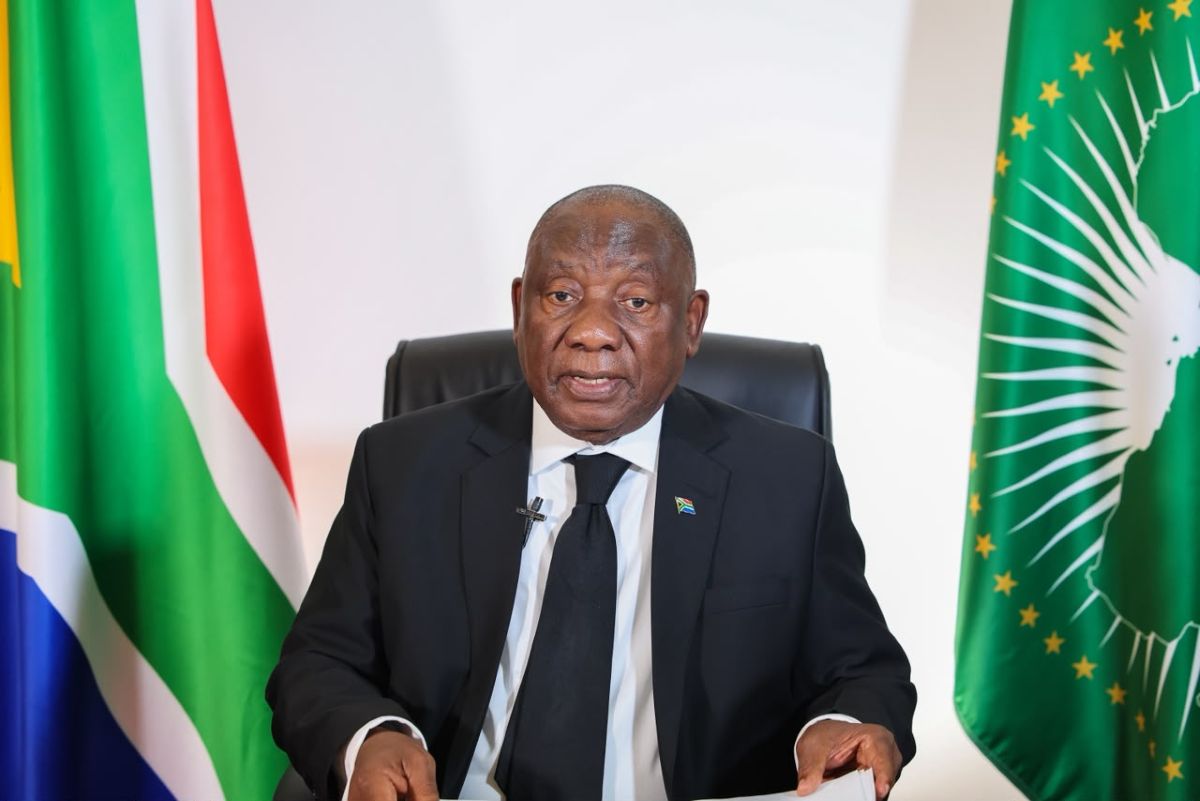
Delivering the closing remarks, South African President Cyril Ramaphosa underscored that while the continental body recognizes the incremental progress made by the Government of South Sudan, monumental hurdles remain on the road to a democratic transition.
“The attendance at this Summit demonstrates that the leaders of this continent remain deeply concerned about the future of our sister country,” Ramaphosa told delegates.
Evaluating the Ground Realities
The summit featured briefings from South Sudanese President Salva Kiir Mayardit, alongside strategic assessments from former Tanzanian President Jakaya Kikwete and former Nigerian Minister of Foreign Affairs Geoffrey Onyeama. According to regional analysts, these insights provided a clear-eyed picture of the political, technical, and security roadblocks standing in the way of a peaceful electoral cycle.
Chief among the summit’s concerns is the need for a comprehensive, consensual, and time-bound electoral roadmap. C5 leaders stressed that holding elections is not merely a technical exercise, but a complex political undertaking requiring a solid legal basis, precise sequencing, and predictable domestic financial resources.
The AU committee urged Juba’s administration to commit adequate domestic funds directly to electoral and transitional institutions to safeguard the credibility of the upcoming polls.
Key Demands for Peace and Governance
The summit’s final declaration lays out a stringent framework of recommendations aimed at stabilizing the country and fostering an inclusive political environment. The core mandates issued to the government and political factions in South Sudan include:
- Strict Adherence to the Peace Accord: All parties must comply fully with the Revitalised Peace Agreement, which remains the paramount legal benchmark for progress and stability.
- Immediate Cessation of Hostilities: A strict enforcement of the Permanent Ceasefire, coupled with an explicit ban on any unilateral measures that could jeopardize the peace pact.
- Release of Political Detainees: While acknowledging national sovereignty and judicial processes, the summit called for the immediate release of all individuals arbitrarily detained on political grounds, ensuring full due process and a safe environment for opposition voices.
- Security and Humanitarian Access: Absolute protection for civilians, humanitarian workers, medical personnel, and United Nations peacekeepers, alongside unhindered access for relief supplies to vulnerable communities.
Shared Responsibility and International Support
While regional bodies like the AU, the C5, and the Intergovernmental Authority on Development (IGAD) stand ready to coordinate voluntary and needs-based technical assistance, leaders emphasized that the primary burden of implementation rests squarely on South Sudanese shoulders.
“The support of the C5, the African Union and international partners must reinforce South Sudanese national ownership and respond to clearly identified priorities,” Ramaphosa noted.
Observers point out that building a unified nation out of years of conflict requires more than institutional frameworks; it demands a radical shift toward political reconciliation. For democracy to truly take root in the world’s youngest republic, leaders must prioritize national unity over factional interests.
As the region continues to monitor developments closely, the message from the C5 Plus Summit is unmistakable: the international community remains invested in South Sudan’s future, but the window to secure lasting peace and democratic legitimacy requires decisive, uncompromised action from Juba.