
 By
By For 58-year-old Sthembile Hamnca, the journey to dignity was more than two decades in the making. Living in Bekkersdal for over twenty years under the shadow of housing insecurity, Hamnca shared a cramped dwelling with a sprawling household of eight children and four grandchildren.

For a quarter of a century, the lack of stable, adequate housing was a persistent hardship—a daily reminder of a system where the promise of a secure future often outpaced reality.
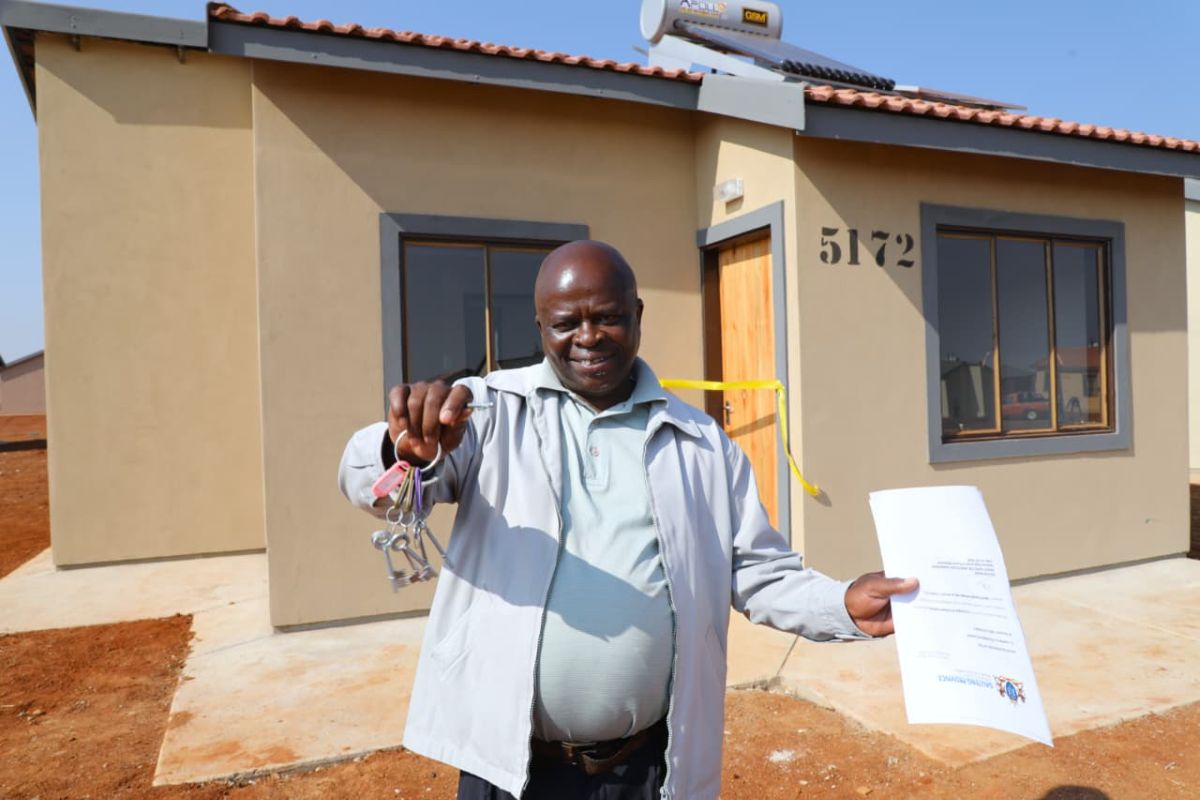
That cycle of uncertainty finally broke when Hamnca became one of the recipients of 104 newly constructed homes through the Westonaria Borwa Mega Project in the West Rand Region.
“This will change my life because I now have my own house,” Hamnca said, reflecting on a milestone that felt as though a heavy burden had been lifted from his shoulders. “My children will have a home, and even when I am no longer here, I will leave them with a home.”
To Hamnca, the keys to the new property represent far more than physical construction. They are the foundation of generational stability, offering security, dignity, and a permanent legacy for his children and grandchildren.
His narrative mirrors the broader socio-political aspirations of mega-housing developments across the region—interventions designed not merely to lay bricks and mortar, but to restore human dignity and rewrite the futures of marginalized families.
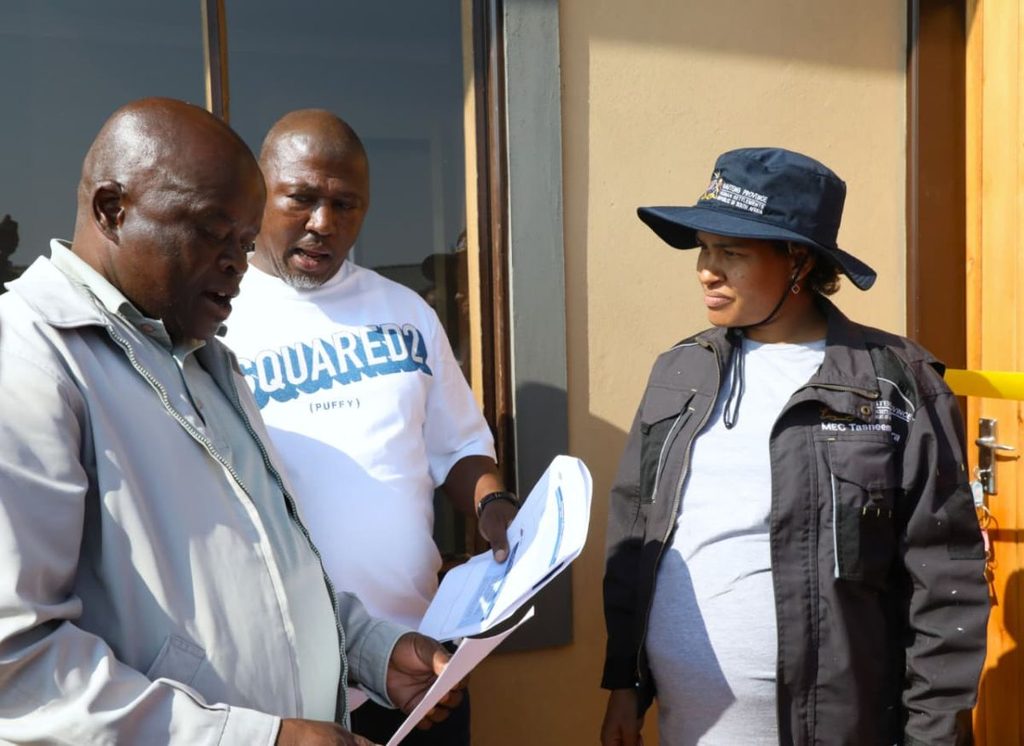
Yet, as new neighbourhoods rise across the West Rand, government officials are drawing a hard line against the compromise of public housing assets. Handing over the properties, Gauteng MEC for Human Settlements Tasneem Motara offered both congratulations and a stern warning to the new beneficiaries.
MEC Motara urged residents to fiercely protect and maintain their properties, explicitly cautioning against the illegal sale or rental of government-subsidised housing.
“This house is handed over to you by government to change the lives of your families,” MEC Motara emphasized. “It is illegal to sell or rent out your government-subsidised house, only to return to an informal settlement. This is a form of generational wealth, and it should be protected and preserved for the generations that come after you.”
The launch of the Westonaria Borwa completions highlights the ongoing political and administrative pressure on provincial departments to accelerate housing delivery. For the Gauteng Department of Human Settlements, the mandate extends beyond ticking off delivery targets; it is about providing qualifying citizens with the structural tools to build secure and dignified futures.
For Hamnca, the politics of housing development have translated into a deeply personal victory. After 25 years of waiting on the margins, the long-standing uncertainty has given way to permanence—turning the abstract promise of social delivery into a tangible doorstep of his own.