
 By
By 
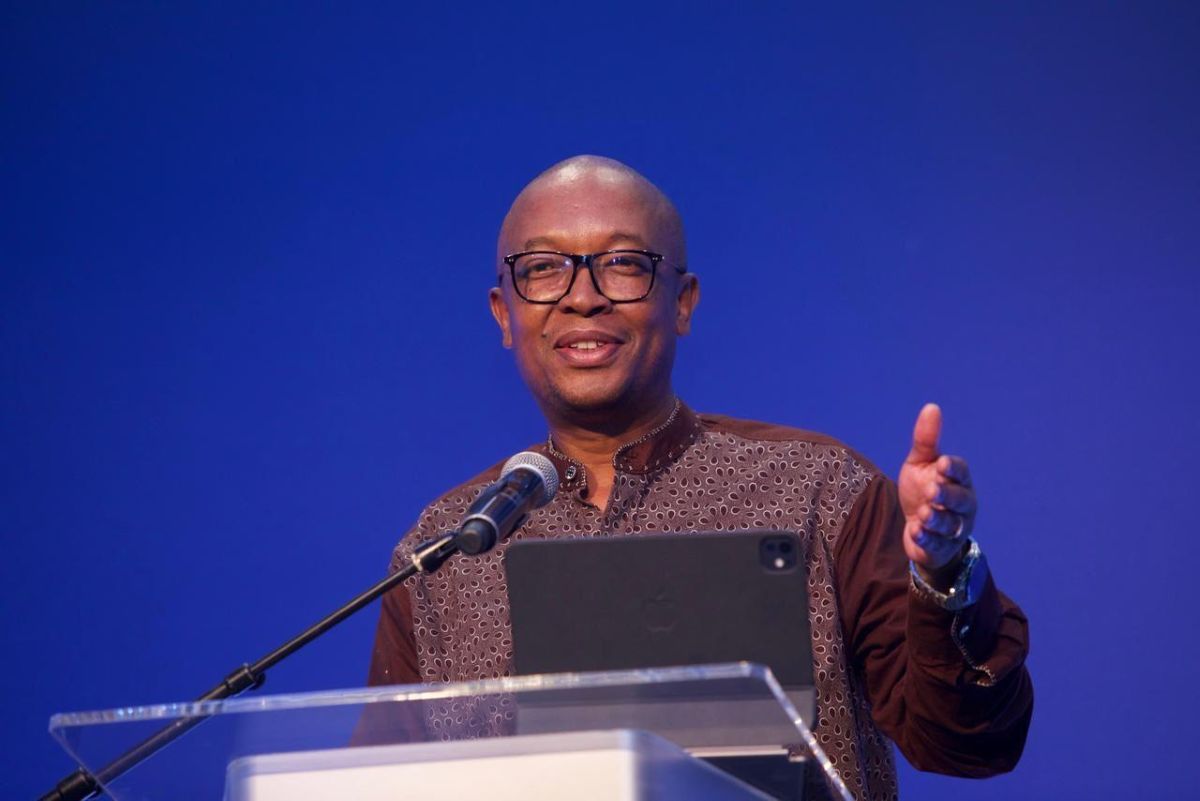
South Africa’s industrial future will be defined by bold, collaborative decision-making. This was the message delivered by the Minister of Trade, Industry and Competition, Mr Parks Tau, during his address at the Sasol Engagement Dinner held on the sidelines of the Mining Indaba in Cape Town Wednesday night.
According to Tau, the path to a thriving, competitive and sustainable economy lies in adopting a low-carbon industrial policy that draws global investment, broadens market access and safeguards our industrial base.
“If we build the energy system of the future, mobilise capital at scale, and secure our position in the global critical minerals economy, we will not only decarbonise — we will reindustrialise,” stated Tau.
Tau added that Sasol and its clients have a pivotal role to play, and government stands ready to partner with them. Together, they can turn this period of transition into a transformative opportunity that drives growth, strengthens competitiveness and expands opportunities for all South Africans.
“The transition before us requires reliable electricity that must be both green and affordable. There are hard-to-abate sectors that cannot be fully electrified, and for these industries we must unlock sustainable fuels that are competitive at scale,” said Tau.
Furthermore, Tau emphasised the need for coordinated planning, greater transparency and a shared commitment to long-term policy certainty.
Against this backdrop, he stressed that collaboration must also extend across government-to-government channels. This, he said, can be advanced through deepening commercial dialogue with the United States, strengthened cooperation with China, and engagement with the European Union through the Clean Trade and Investment Partnership.
“Sasol’s role is profound in building a new industrial economy. The operations sit at the intersection of energy, chemicals, fuels, and advanced manufacturing, which gives both responsibilities and opportunities. The opportunities include unlocking giga-scale investment in renewable energy, mega-storage, High-Voltage Direct Current (HVDC) transmission, and gas-to power—especially as Liquefied Natural Gas (LNG) becomes central to our industrial feedstock strategy post-2028,” emphasised Tau.