
 By
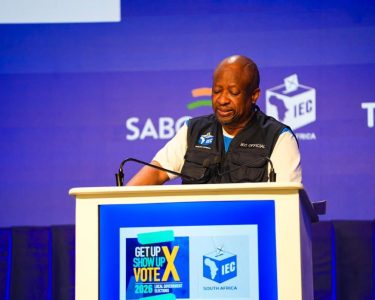
As voting stations opened their doors at 07h00 this morning for the 2026 Local Government Elections, the Electoral Commission of South Africa (IEC) has issued a vital legal clarification regarding what is—and is strictly not—permissible on election day.
With millions of citizens heading to the polls to shape the future of their local municipalities, the commission’s directive aims to protect the sanctity of the democratic process while balancing constitutional rights.
Understanding the Voting Station Perimeter
The core of the commission’s directive establishes a strict zero-tolerance zone directly inside and at the boundaries of all voting stations. Once presiding officers establish these perimeters in consultation with party agents, the area becomes a strictly neutral space dedicated solely to the casting of ballots.
Within these designated boundaries, all forms of active political promotion are firmly outlawed. Prohibited actions include:
- The display, distribution, or wearing of any party billboards, posters, placards, or pamphlets.
- Any attempt—direct or indirect—to induce, influence, or persuade a person to vote, or not to vote, for a particular political party or candidate.
- Any effort to pressure or persuade an individual to abstain from voting altogether.
Violators face severe consequences. Anyone who contravenes this legal framework commits an offense, carrying a penalty upon conviction of a fine or up to five years of imprisonment.
Beyond the Perimeter: The Rule Outside Voting Stations
While the immediate voting station environment is a sanctuary from political persuasion, the commission has clarified that there is no blanket, wholesale prohibition of political activity across the entire country on Election Day.
Political activity may legally take place outside the demarcated boundaries of a voting station, provided it remains low-key. However, the law draws a firm line against disruptive or organized public spectacles. Mass political meetings, marches, demonstrations, and similar organized public events remain strictly prohibited outside voting stations.
In essence, while the law does not impose an absolute blanket campaign silence across the nation, it drastically restricts activity to ensure that public order is maintained and voters are shielded from intimidation.
A Call for Civic Responsibility
The Electoral Commission has appealed directly to political parties, candidates, party supporters, and the electorate to respect these boundaries. These regulatory measures are carefully designed to strike a balance: safeguarding a voter’s right to make an un-coerced choice on one hand, while accommodating low-level political presence without descending into chaotic public mobilization.
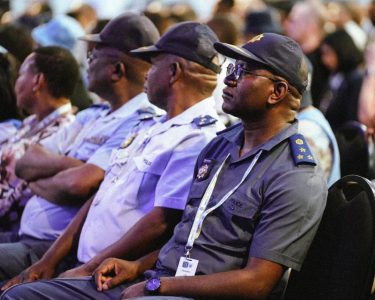
Authorities and law enforcement agencies remain on high alert to ensure that the environment remains conducive to a free, fair, and peaceful democratic exercise.
Essential Reminders for Voters
With polls scheduled to remain open until 21h00—and provisions to assist any voter already inside the station boundary by closing time—the commission has urged citizens to arrive early and verify their registration details before casting their ballots.
Voters can effortlessly check their status and find their designated voting station sequence numbers through several accessible channels:
- Sending an ID number via WhatsApp to 0600 88 0000.
- Sending an ID number via SMS to 32810 (at a cost of R1 per SMS).
- Calling the contact centre on 0800 11 8000.
- Visiting the official website at www.elections.org.za.
As the nation decides its local governance for the years ahead, the message from the commission is clear: Get up, show up, and let your voice be heard safely and lawfully.