
 By

From humble beginnings farming poultry in Dewetsdorp—a quiet Free State town roughly 70 kilometres outside Bloemfontein—Basil Phupha is steadily building a continental manufacturing footprint.
Next week, the 35-year-old Director of Basils Business Opportunities (BBO) will pack his bags for Kampala, joining an exclusive cohort of 17 South African companies across seven provinces for an Outward Selling Mission to Uganda.
Organised by the Department of Trade, Industry and Competition (the dtic) and running from 22 to 26 November 2026, the initiative is designed to open lucrative trade and investment doors in East Africa, using Uganda as a strategic springboard into the broader region.
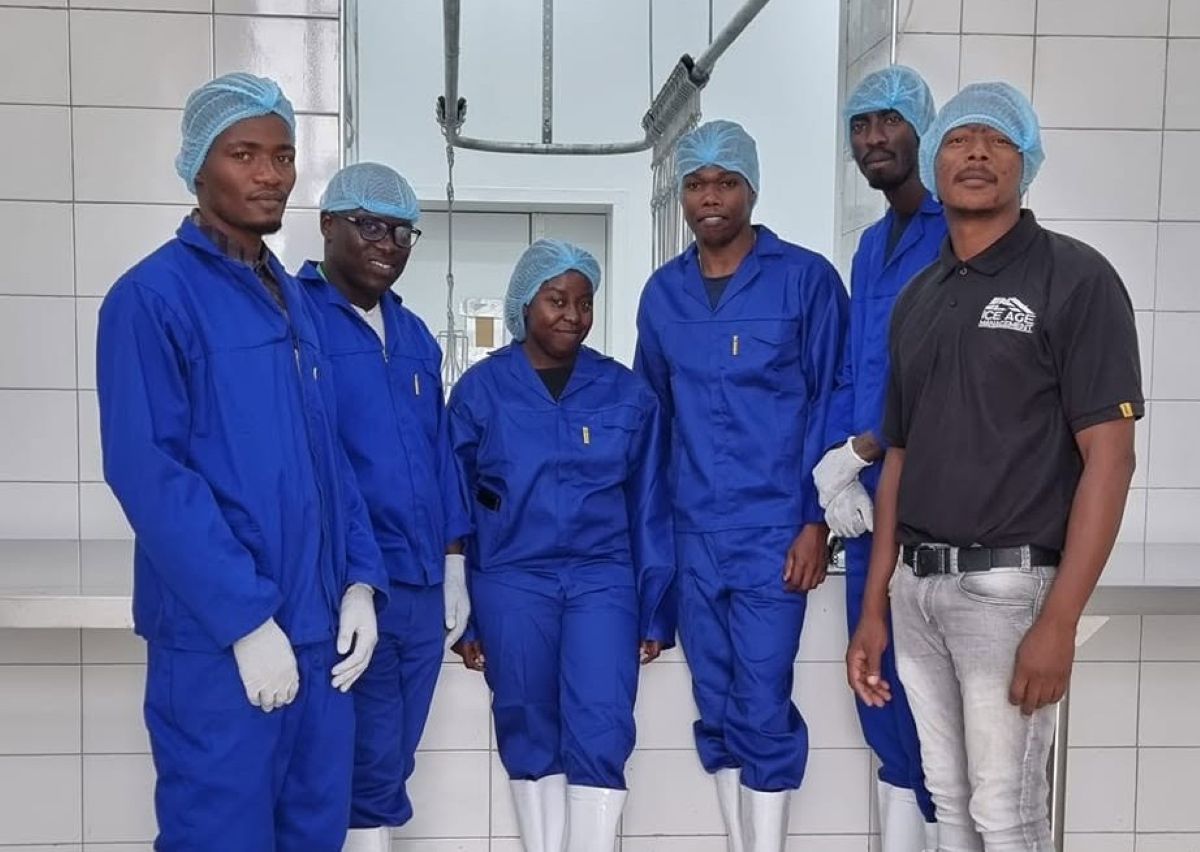
For Phupha, whose Bloemfontein-based enterprise employs six people, the mission represents far more than a routine business trip. It is the next chapter in an ambitious mission to industrialise African agriculture, strengthen continental food security, and create sustainable jobs back home in the Free State.
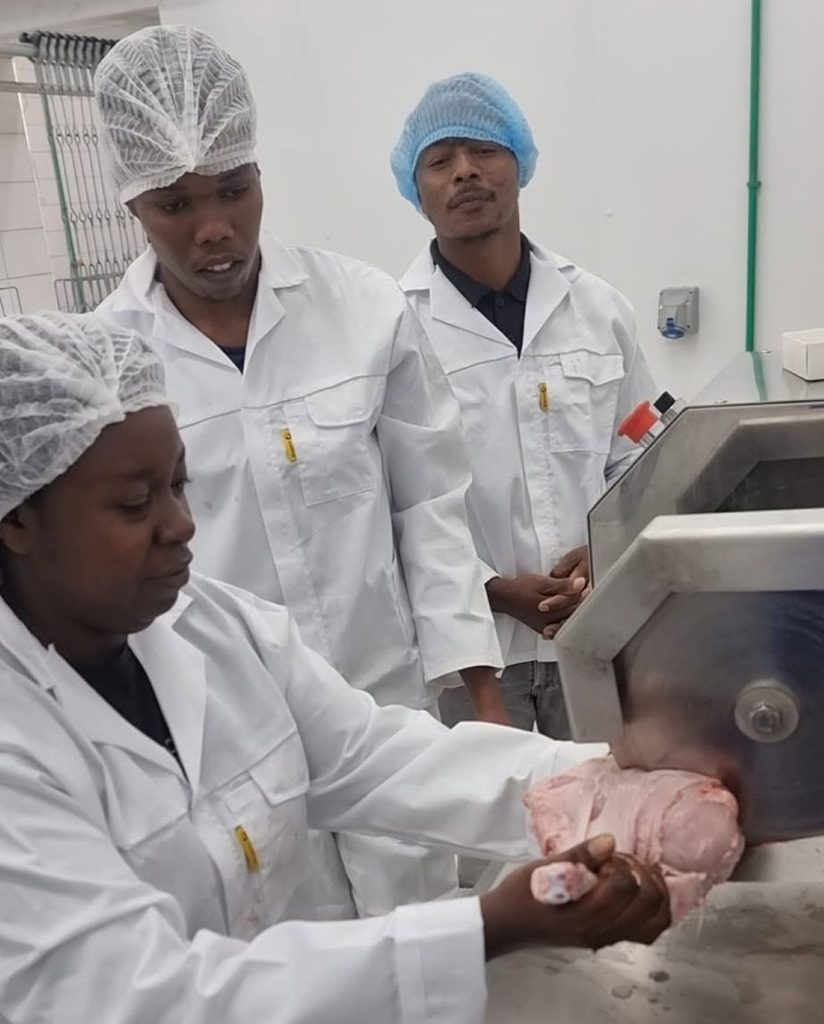
BBO specialises in the end-to-end design, manufacturing, supply, installation, and maintenance of agro-processing machinery. The company’s robust product catalogue spans the agricultural value chain—ranging from poultry abattoir equipment and mobile slaughtering units to fruit and vegetable processing machines, pasteurisers, industrial mixers, grinders, oil presses, food dryers, and packaging equipment.
Crucially, Phupha’s journey from farmer to manufacturer gave him an insider’s understanding of the practical challenges facing African producers.
“Our agro-processing machines and equipment are tailor-made for African conditions and environments,” explains Phupha. Serving farmers, cooperatives, food-processing entrepreneurs, and government development projects, BBO’s technology enables local producers to add value to raw harvests rather than losing potential revenue to post-harvest waste or raw commodity exports.
While BBO remains a lean, agile operation, its reach already punches well above its weight. Since pivoting from poultry farming into machinery manufacturing, Phupha has turned neighbouring Lesotho into his largest export market, while successfully shipping equipment to eight other nations: Mozambique, Zimbabwe, Rwanda, Botswana, eSwatini, Ghana, Angola, and Tanzania.
Much of this cross-border momentum has been fuelled by consistent support from the dtic, which has previously facilitated BBO’s participation in trade exhibitions and missions across Ghana, Mozambique, Uganda, and the Democratic Republic of Congo.
Phupha describes the international exposure gained from these engagements as phenomenal, noting that they have sharpened his competitive edge and positioned him firmly on track to become one of Africa’s premier suppliers of agro-processing equipment.
The upcoming trip to Uganda marks a full-circle moment for the entrepreneur. He first visited the East African nation in 2019 on his very first international trade mission with the dtic. That inaugural trip proved to be a revelation.
“What I discovered there was that agriculture is a big part of the Ugandan economy,” Phupha recalls. “That means that the large amounts of agricultural products that are produced need to be processed for the farmers to benefit more from their produce. And that is where our company comes in.”
The macroeconomic numbers strongly validate Phupha’s optimism. According to World Bank data, agriculture remains the undisputed mainstay of Uganda’s economy—a nation of more than 45 million people—accounting for nearly 25% of Gross Domestic Product and employing roughly 72% of the labour force.
For a manufacturer offering durable, locally adapted processing solutions, the demand potential is immense.
As Phupha prepares to engage prospective buyers and partners in Kampala, his eyes remain fixed on the multiplier effect of export-led growth. Securing new contracts in Uganda and the wider East African Community will directly translate into higher factory output in Bloemfontein—allowing BBO to expand its workforce and create new technical and manufacturing jobs in the Free State.
In a global economy where small enterprises often struggle to look beyond local borders, Basil Phupha’s trajectory serves as a compelling blueprint for South African industrialists: build solutions rooted in African realities, leverage strategic trade partnerships, and scale across the continent.