
 By
By 
South Africa is faced with a serious challenge of Food and Mouth Disease (FMD) that has reached a total of about 24 406 cases in 2025, the kind of magnitude that was last experienced in 1898.
The Free State Province is one the provinces hard hit by the outbreak, according to the provincial Department of Agriculture and Rural Development in their lasted update, the Free State now sits at 194 cases across a number of districts.
It has become clear that the disease is spread due to non-compliance to the imposed measures by government to prevent the spread of the disease.
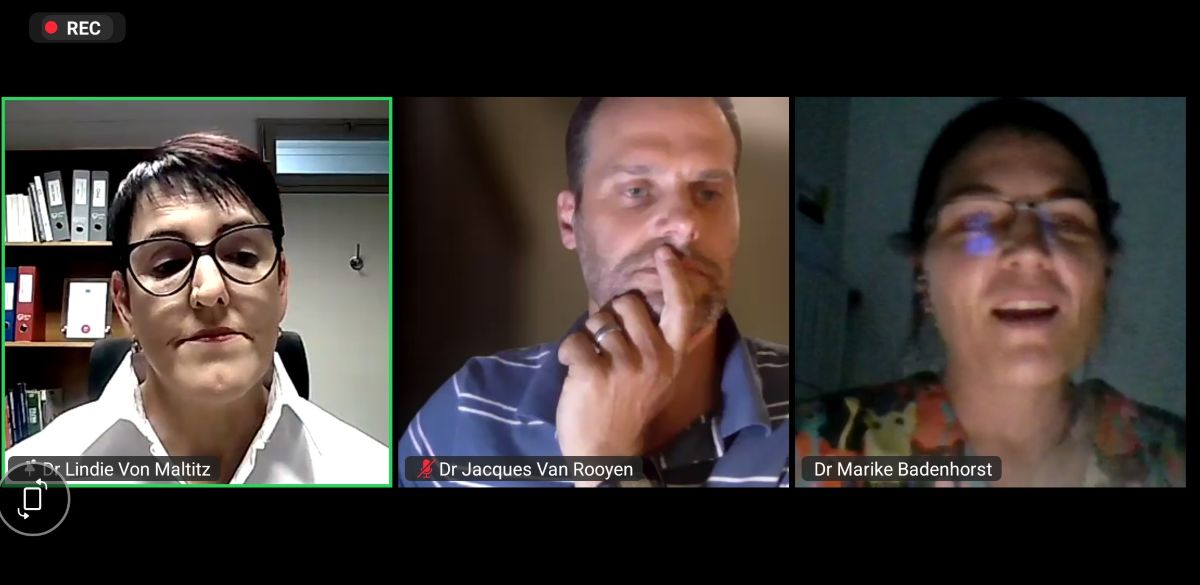
The University of the Free State (UFS) recently hosted a webinar to help understand the phenomenon and provide practical ways on curbing the spread of FMD. Expects like Dr Marike Badenhorst, a Veterinary scientist and farmer, owner of a veterinary clinic, Dr Jacques van Rooyen an Animal scientist and rangeland ecologist with a PhD in veterinary science and Dr Lindie von Maltitz, Department of Agricultural Economics, Faculty of Natural and Agricultural Sciences, and Manager of LEAF at the UFS.
Dr von Maltitz said the disease is detrimental to the economy of the country, affecting exports. She said the livestock industry is seriously affected by this outbreak, of which the magnitude thereof is new to them.
According to von Maltitz, between January and June 2025, the disease in the country was at 3018 cases, but during the period of July and December 2025, the number of infections spiked to 24 400, reflecting that the diseases is spreading rapidly and farmers are not complying to regulations.

The livestock industry is already experiencing serious losses, according to the BFAP’s June 2025 baseline estimates found that lost Gross Production Value (GPV) could accumulate to R25.6 billion over ten year if no major interventions are made.
Dr Marike Badenhorst said the pandemic is affecting even the value chain within the industry, including the feed as the animals lose their apatite or are unable to eat when infected by the disease.
She said farmers need to be strict on their farms and implement strict bio-security measures at their farms.
Dr Jacques van Rooyen, agreeing that farmers must beef up bio-security on their farms, said there is not much they know about the disease at this stage, they are still researching. He said the disease needs to be controlled and alluded to the fact that, the spread is caused due to selfishness, a farmer who decides not to follow the imposed preventative measures by government.
Some simple continue to transport their cattle out of fear of loss and some due to lack of information. He urged farmers to change their attitude towards the disease and comply with the measures in place.
The panel gave practical tips on how to prevent the spread of the disease and they include:
Farmers should disinfect cars coming onto their farms using high pressure spray.
Though the disease is not zoonotic, people must disinfect their shoes coming onto to the farm and before being in contact with the animals.
Build an additional barrier fence to the original one to prevent contact of animals with that of the neighbour.
Build a quarantine place far from the rest of the animals.
For communal farmers
Control over free roaming livestock:
They need to self-organise within villages and municipal areas.
Herd animals during the day and kraal at night.
Watch out for symptoms and risks
Know whom to report suspicious cases and movement.
Be alert amongst herders
And they should know the disease or situation is not a death sentence
Farmers must adhere to regulations
Commercial farmers must also support community awareness.
Ensure correct information is provided and not fear which drives illegal movement.
Communication between farmer associations and the local communal farmers, there must be a mutual beneficial support.