
 By
By 
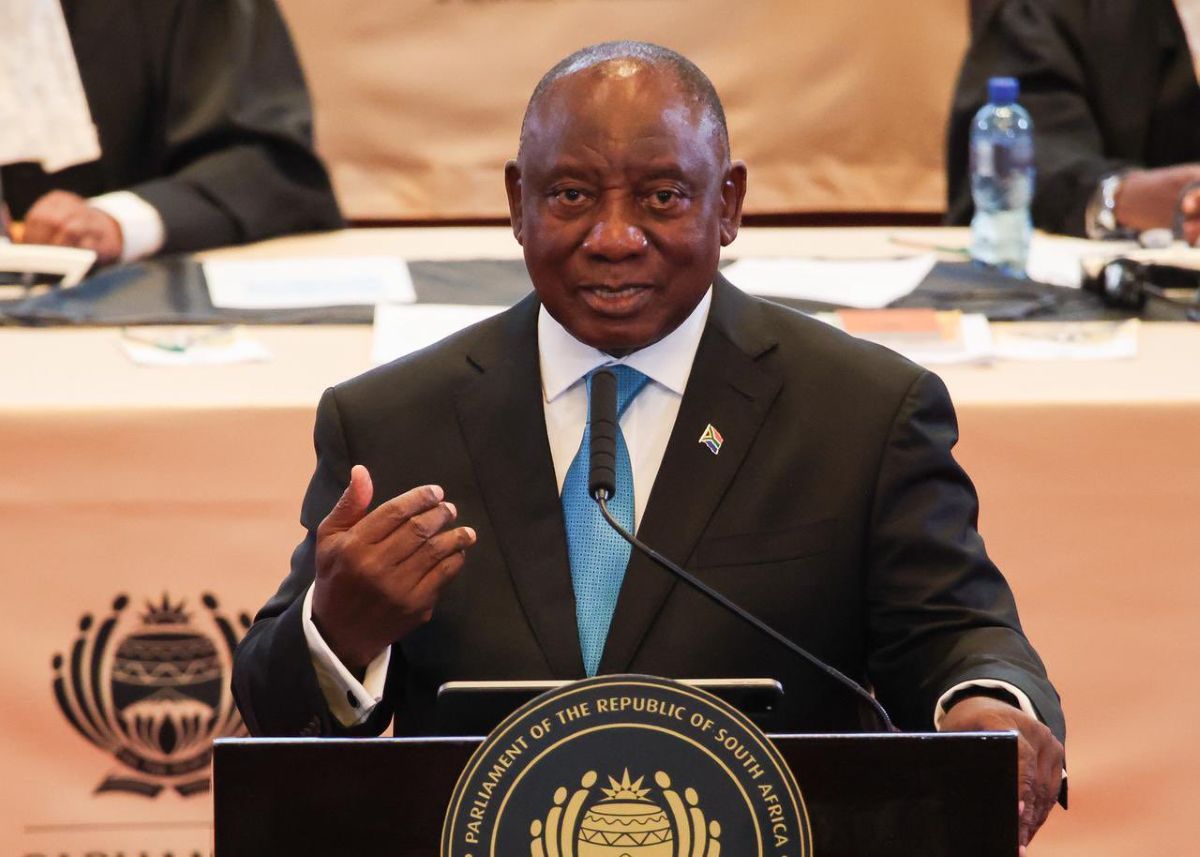
The President of South Africa H.E Cyril Ramaphosa delivered his State of the Nation Address (SONA) last night in Cape Town where he outlined the programme of government for the year; he in particularly focused on fixing municipalities across the country.
Ramaphosa reflected on the success of his government in the previous year, some of the successes include investor confidence in the country. He said the country’s economy has grown for four consecutive quarters and that inflation is at its lowest in 20 years. Affordability in South Africa is well in sight.
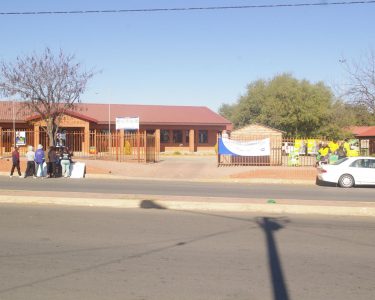
The state of municipalities has come under serious criticism as they are at the core of the economy of the country and directly involved in service delivery matters. Recently, cries for regular and reliable water supply in many municipalities including Johannesburg are getting louder by the day. Areas like Qwa-qwa in the Free State go for days, even weeks without water, Brandfort is amongst the areas that have been without water for many years and their cries have fallen on deaf ears.
Ramaphosa said government will now elevate the issue of water supply to the National Water Crisis Committee which he will chair. He said the structure will bring together all existing efforts into a single coordinating body. It will deploy technical experts and resources from national government to municipalities facing water challenges.
It will ensure that action is taken swiftly and effectively to address the problem. To address the challenges effectively he said government will not hesitate to use the powers enshrined in the Constitution and in the Water Services Act to intervene in municipalities where necessary.
“We will hold to account those who neglect their responsibility to supply water to our people. Government has already laid criminal charges against 56 municipalities that have failed to meet their obligations. We will now move to lay charges against municipal managers in their personal capacity for violating the National Water Act.
The critical problem is that in many metros, cities and towns, water revenue is being used for other purposes and very little is invested in upgrading and maintaining water infrastructure. To address this challenge, in line with the commitment that we made last year, we have introduced a new R54 billion incentive for metros to reform their water, sanitation and electricity services,” said Cyril Ramaphosa.
“This will ensure that revenues from water usage are put straight back into fixing pipes, reservoirs and pumping stations. Water outages are a symptom of a local government system that is not working. A far-reaching overhaul is now underway to address the root causes of dysfunction in many municipalities.
In many places, local government administrations are weak and governed by patronage rather than technical capacity and merit. In her most recent report on local government, the Auditor-General said local government is characterised by insufficient accountability, failing service delivery, poor financial management and governance, weak institutional capability and widespread instability,” continued.
Taking a page from their experience in government for the past 30 years, Ramaphosa said, to remedy the state of municipalities, government will in the coming months finalise a revised White Paper on Local Government.
He said this will provide solutions for the functioning of an effective local government system. The White Paper will reimagine the way that local government works. The current system is too complex and fragmented, expecting even small and weak municipalities to take on many responsibilities.
“We will propose fundamental changes that recognise the reality that some municipalities can take on more functions than others, and that we need a differentiated approach to municipal powers and responsibilities. We are also proposing a more structured cooperation between municipalities and traditional and Khoi-San leadership institutions to enable community engagement and shared problem-solving.
We will ensure that senior officials in local government have the required qualifications and are appointed through an independent process free from political interference. Where municipalities fail, we will strengthen the ability of national government to intervene more quickly and to direct corrective measures in the interests of serving our people better.
These changes may be difficult. But they must be done,” said President Ramaphosa.