 By
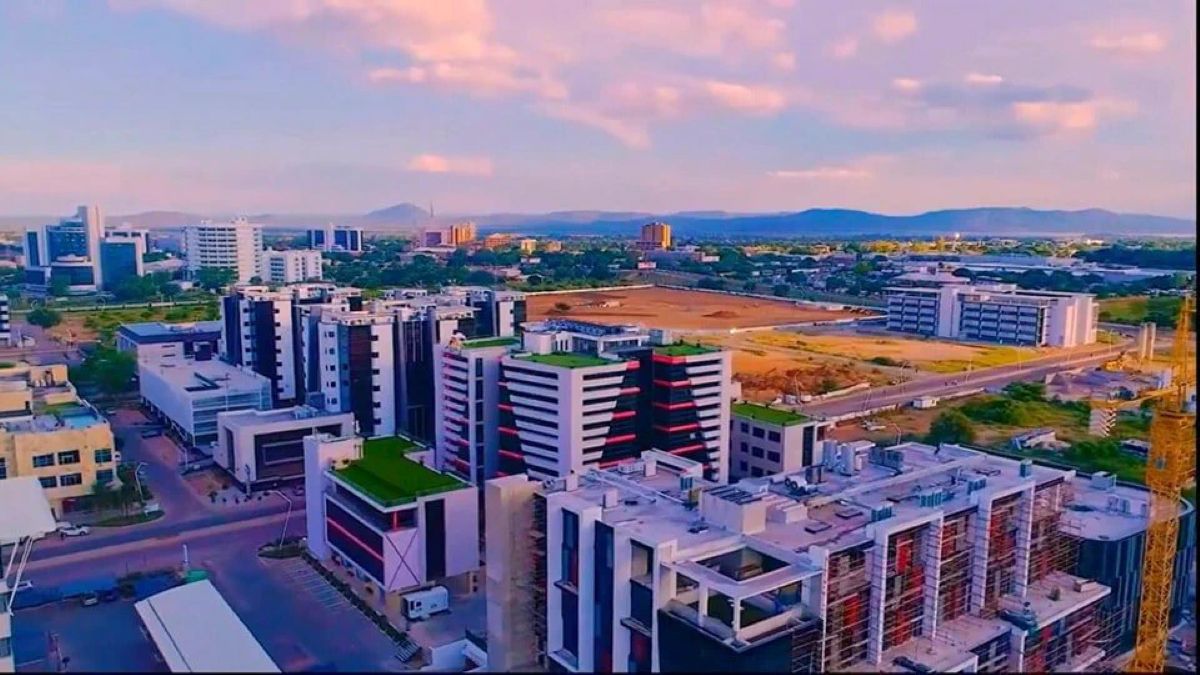
GABORONE – Botswana’s economy is projected to return to growth at 3 percent in 2026 after two years of contraction, though lingering structural vulnerabilities, elevated inflation, and rising public debt continue to weigh on the medium-term outlook, according to an International Monetary Fund (IMF) staff team.
Concluding a two-week visit to Gaborone from November 9 to 23 for the 2026 Article IV consultation, the IMF team—led by Faisal Ahmed—noted that early signs of recovery are emerging, aided by mining activity.
However, IMF staff cautioned that a sustained turnaround toward job-rich expansion will depend on decisive structural reforms, careful fiscal management, and a credible shift away from heavy reliance on diamonds.
Diamond Headwinds and Persistent Inflation
Two years of economic contraction in Botswana were driven largely by subdued demand for natural diamonds alongside growing competition from lab-grown alternatives, IMF staff said. Unemployment—especially among youth—remains high, and while activity rebounded early in 2026 on the back of mining, natural diamond demand is expected to stay muted. Without sustained structural reforms, non-mineral growth is projected to recover only gradually.
Price pressures have also intensified. Inflation stood at 7.6 percent in October 2026—driven largely by higher fuel prices—and is projected to average an elevated 8.2 percent for 2026.
On the external front, Botswana’s current account is projected to swing to a deficit of 0.2 percent of gross domestic product (GDP) in 2026, reflecting lower net diamond exports and a sharp rise in fuel imports. Even so, financial inflows are expected to support reserve accumulation, keeping international reserves above five months of import cover at year-end 2026.
Fiscal Consolidation and Debt Anchors
Botswana’s fiscal deficit narrowed to an estimated 6.3 percent of GDP in FY2025/26, supported by stronger mineral revenue and lower capital expenditure. At the same time, the public wage bill continued to climb, and public debt rose to roughly 34 percent of GDP—up from 22.5 percent two years earlier.
To rebuild fiscal buffers and safeguard debt sustainability, IMF staff recommended a credible medium-term fiscal consolidation strategy centred on expenditure rationalization and spending efficiency. Key priorities outlined by the mission include:
- Containing the public wage bill.
- Better targeting social programmes and subsidies.
- Strengthening public investment management.
- Broadening the tax base and improving tax administration.
IMF staff also advised adopting a prudent debt anchor, backed by an expenditure rule and an adequate liquid-asset buffer, to reinforce the broader fiscal framework.
Monetary Policy, Exchange Rate, and Banking Resilience
The Bank of Botswana raised its policy rate to 5.5 percent in April 2026. According to the IMF statement, monetary policy must remain focused on external and price stability, with further tightening potentially needed if inflationary pressures persist. Strengthening liquidity operations and enhancing central bank communication would further boost monetary policy effectiveness.
Regarding the exchange rate, the mission noted that the current regime has served Botswana well but can constrain shock absorption over the medium term. Any move toward greater exchange-rate flexibility should be gradual, carefully sequenced, coordinated with fiscal and monetary policies, clearly communicated, and underpinned by a credible nominal anchor and deeper financial markets.
Meanwhile, Botswana’s financial sector remains resilient, with banks reporting strong capitalization and profitability. IMF staff urged continued rollout of outstanding recommendations from the 2023 Financial Sector Assessment Program—including stronger liquidity standards, risk-based supervision, stress testing, and crisis preparedness—to further bolster stability.
Building a Non-Mineral Growth Engine
Botswana’s prolonged slowdown highlights the urgency of establishing a new growth model led by non-mineral, private-sector activity. IMF staff said lessons from implementation bottlenecks under the Botswana Economic Transformation Plan should inform economy-wide execution.
Broad-based reforms are needed to expand access to finance, improve land administration, strengthen electricity supply, increase labour-market flexibility, boost competition and governance, expand trade openness, and scale back the footprint of state-owned enterprises. Investments in better education, health outcomes, and workforce skills will be equally vital to generate stronger, more inclusive job creation.
If policymakers carry out ambitious reforms that secure fiscal and external sustainability while diversifying the economy, IMF staff noted that growth could gradually climb above 4 percent over the medium term. The mission thanked Botswana’s authorities for their hospitality and constructive engagement during the consultation.