 By
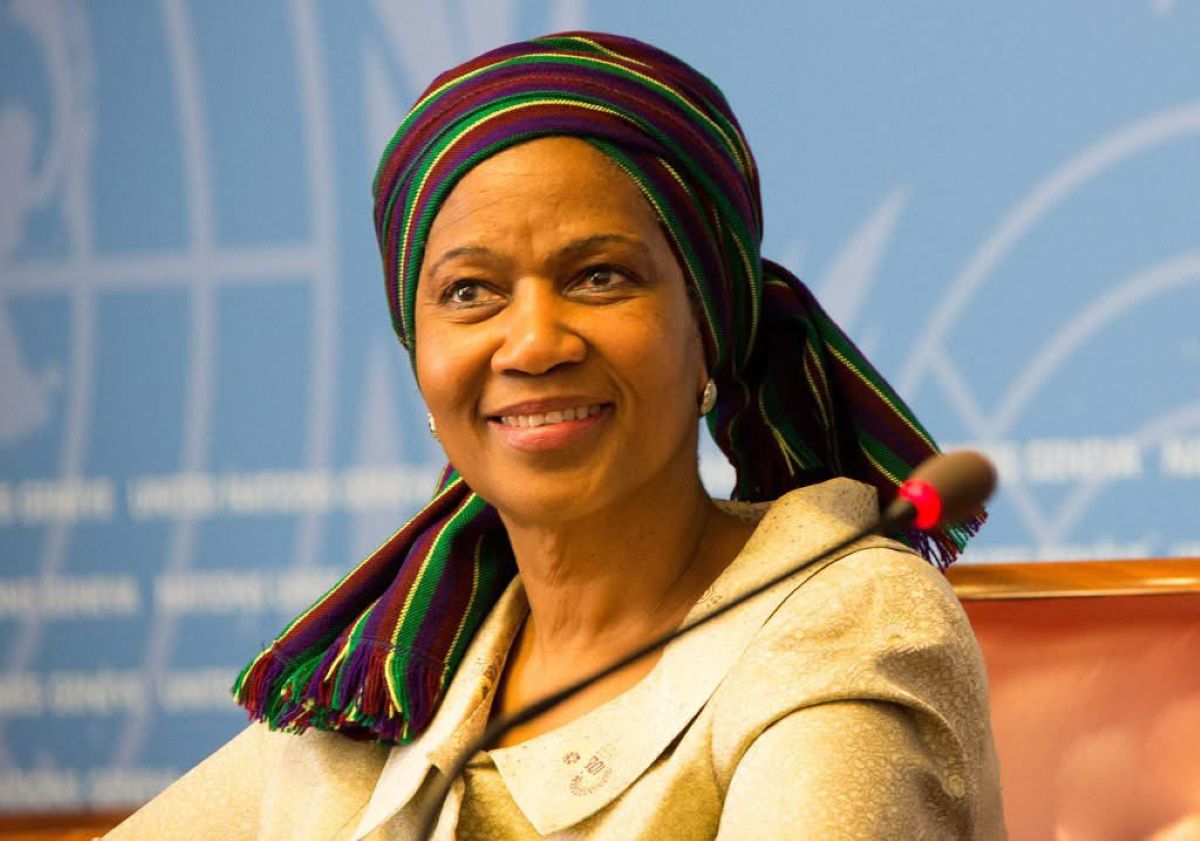
South Africa’s political establishment has united in grief following the death of former Deputy President Dr Phumzile Mlambo-Ngcuka, who passed away on Friday evening at the age of 71.
In a rare display of cross-party consensus, leaders from the African National Congress (ANC), the Democratic Alliance (DA), the Economic Freedom Fighters (EFF), ActionSA, and the uMkhonto weSizwe (MK) Party have paid tribute to a stateswoman whose career spanned the anti-apartheid struggle, the Union Buildings, and the highest echelons of the United Nations.
The Presidency confirmed Mlambo-Ngcuka’s passing on Friday night, 20 November 2026. Acting President Paul Mashatile expressed “shock and sadness” on behalf of President Cyril Ramaphosa, the government, and the nation, conveying deep condolences to the Mlambo-Ngcuka family while noting their request for privacy as messages of support poured in from home and abroad.
President Ramaphosa has since confirmed that Mlambo-Ngcuka—who died following complications from a medical procedure—will be honoured with a State Funeral Category 2 in Middledrift, Eastern Cape, preceded by an official memorial service in Johannesburg on Tuesday.
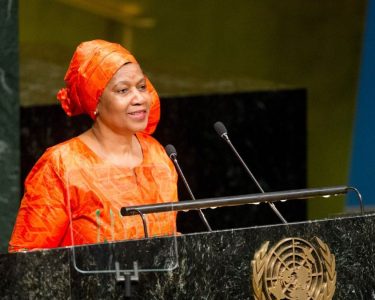
Born on 3 November 1955, Mlambo-Ngcuka made history as South Africa’s first female Deputy President and later served on the global stage as United Nations Under-Secretary-General and Executive Director of UN Women. Her passing has prompted reflections not only on her high-profile political and diplomatic posts, but also on her roots as an educator and youth activist.
In a statement issued from Chief Albert Luthuli House, the ANC mourned the former National Executive Committee member as a “pioneering leader and champion of women’s emancipation”. The party highlighted her lifelong commitment to advancing freedom, equality, and social transformation, extending condolences to her husband, children, family, friends, and comrades. “Hamba kahle, Mama Phumzile. May your revolutionary spirit and legacy of selfless service endure,” the governing party said.
Across the aisle, opposition leaders echoed that sentiment, underscoring Mlambo-Ngcuka’s stature as a national figure whose influence transcended partisan lines.
DA leader Geordin Hill-Lewis offered condolences to her family and the ANC, pointing to her early career in the classroom as an enduring symbol of possibility. “As a young woman, she returned to her old school in Inanda to teach,” Hill-Lewis noted. “Years later, those pupils could say that their teacher had become the first woman to serve as Deputy President of South Africa.
For a generation of South African girls, her example made it easier to imagine that they, too, might one day lead their country.”
ActionSA President Herman Mashaba emphasised the international reach of her career, noting that Mlambo-Ngcuka devoted much of her life to public service both domestically and abroad. “Her legacy of public service extended far beyond South Africa’s borders and her contributions to our country’s development and the advancement of equality will be remembered for generations to come,” Mashaba said, extending sympathies to her loved ones and the ANC.
The EFF also paid tribute to “Mama Phumzile Mlambo-Ngcuka,” sending condolences to the Ngcuka family, her loved ones, and “the people of Africa” while honouring her tenure as Deputy President and Executive Director of UN Women.
Similarly, the MK Party remembered her as a “distinguished teacher, passionate youth activist, [and] trailblazer in women’s politics” whose career left an “indelible mark” on both South African and global politics. Praising her dedication to human rights, gender equality, and youth development, the party closed its tribute with a farewell to a fallen heroine: “Lala ngoxolo, Qhawekazi.”
As flags prepare to fly at half-mast ahead of next week’s state funeral, the breadth of Saturday’s tributes reflects the singular standing Mlambo-Ngcuka held in democratic South Africa—a leader remembered by political allies and rivals alike for breaking barriers at home and carrying the nation’s voice onto the world stage.