 By
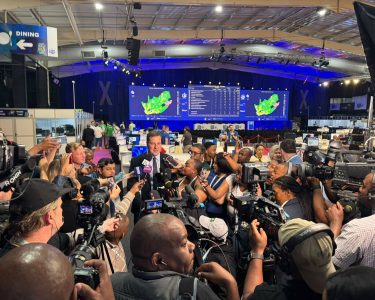
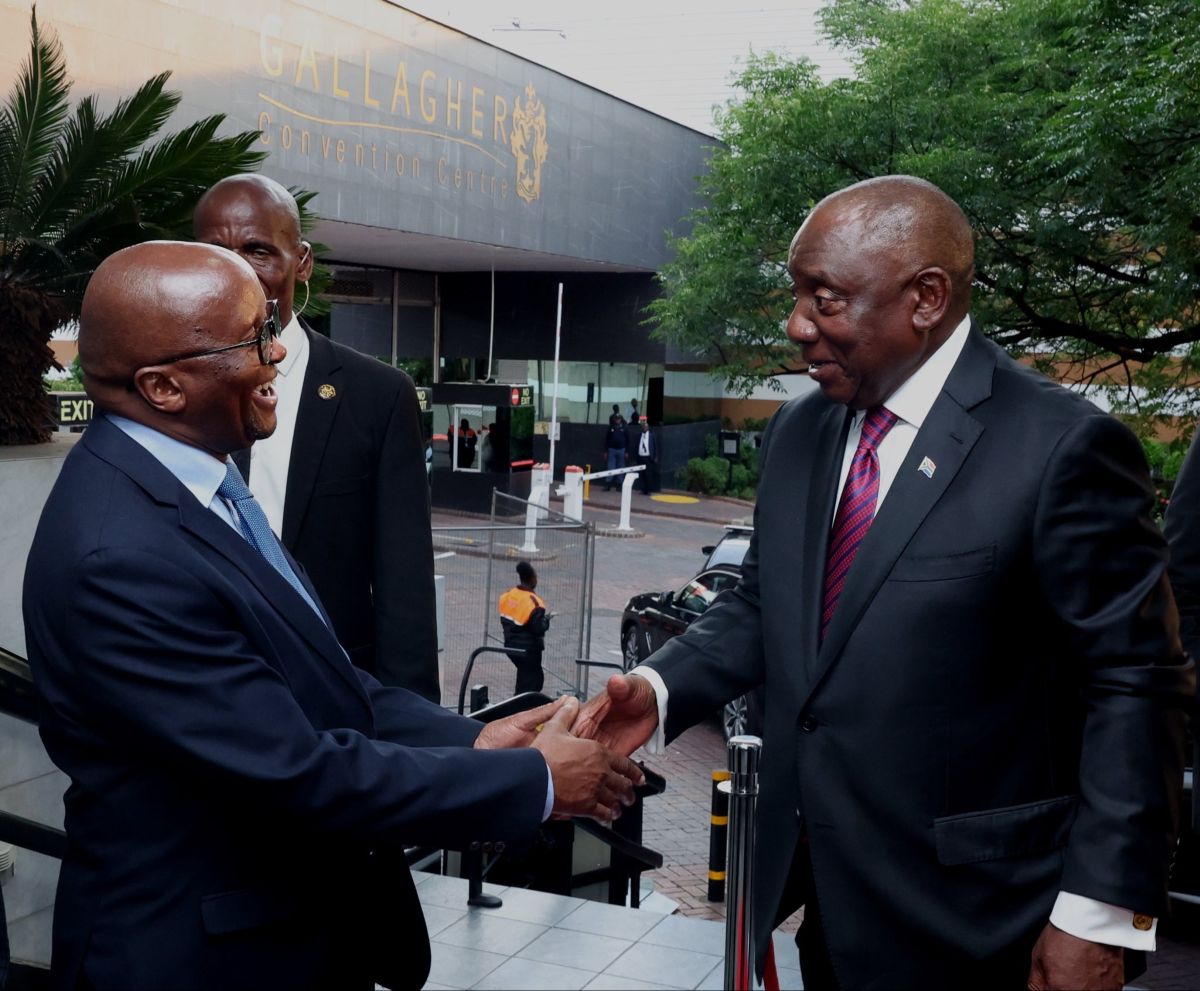
The results are in, the queues have cleared, and the hard arithmetic of coalition governance now looms large over South Africa’s political landscape. Speaking at the Results Operations Centre in Midrand following the 2026 Local Government Elections, President Cyril Ramaphosa delivered a sharp, pragmatic address directed squarely at the country’s newly elected public representatives.
With millions having cast their ballots amidst deep socio-economic strain, the message from the Union Buildings was unequivocal: the honeymoon phase is over, and the era of political squabbling must yield to immediate, tangible service delivery.
Marking 30 years since the signing of South Africa’s democratic Constitution, Ramaphosa framed the municipal polls as a vital reaffirmation of the country’s multi-party democracy. Over 540 political parties and nearly 137,000 candidates contested the election, showcasing a vibrant and competitive political environment.
Yet, beneath the democratic celebration lies a stark, everyday reality. As the President noted, citizens across cities, towns, villages, and farms are grappling with a high cost of living, stubbornly high youth unemployment, and municipal infrastructure that frequently fails to meet basic standards.
Quoting revolutionary leader Amilcar Cabral, Ramaphosa reminded the audience that citizens ultimately judge governments by material improvements in their daily lives—water flowing from taps, reliable electricity, safe streets, and maintained public spaces. For a voting public weary of hollow promises, the 2026 election served as a mechanism to reset expectations and demand accountability.
The Coalition Imperative: Maturity Over Posturing
With numerous municipalities resulting in fractured outcomes where no single party secured an outright majority, the spotlight turns immediately to coalition negotiations. Ramaphosa issued a stern warning against treating these negotiations as mere contests for positions and political patronage.
“The stability of our municipalities cannot be sacrificed to narrow political interests,” Ramaphosa stressed, urging political leaders to approach coalition-building with maturity, humility, and a commitment to the public good.
In councils where consensus is mandatory, the President emphasized that voters did not elect representatives to spend the next five years fighting internal battles, but rather to construct functional administrations capable of delivering essential services.
This call for cross-party cooperation coincides with structural shifts on the horizon. The newly elected councillors will step into office against the backdrop of a revised White Paper on Local Government, which envisages a bold reset of municipal management, stronger financial controls, and a targeted focus on infrastructure maintenance.
A Nod to Electoral Integrity
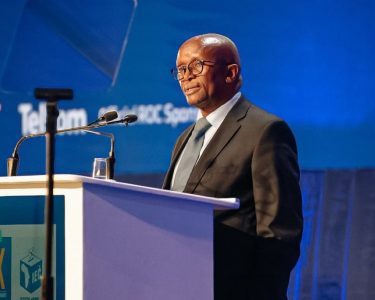
Before concluding, Ramaphosa paid tribute to the pillars of South Africa’s electoral architecture. He extended deep gratitude to the Independent Electoral Commission (IEC)—specifically mentioning Chairperson Mosotho Moepya and Chief Electoral Officer Sy Mamabolo—alongside the security cluster (NATJOINTS), civil society, election officials, and the media for ensuring a credible, free, and fair democratic process.
Ultimately, the 2026 local government elections have closed one chapter and opened another defined by shared responsibility. As the ballots are packed away and council chambers begin to fill, South Africa’s political class faces a singular test: proving that democracy can transcend political friction to profoundly improve the lives of its citizens.