


 By
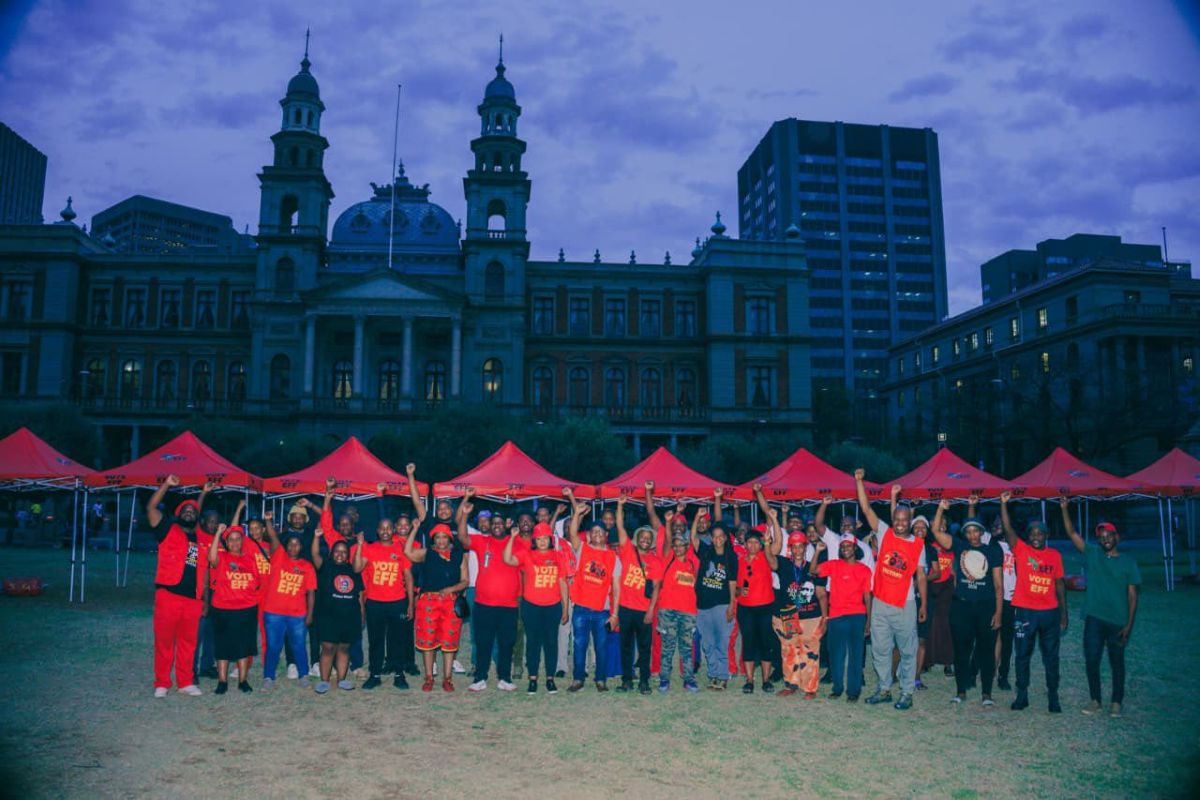
The noise of the campaign trial has finally faded, giving way to a decisive silence across South Africa’s municipal wards. The rallies have wrapped up—from the high-octane political gatherings where the Economic Freedom Fighters (EFF) successfully drew massive crowds alongside the Soweto derby just kilometres away, to targeted digital blitzes aimed at securing the elusive youth vote.
The promises have been voiced, the manifestos printed, and the politicians have made their final pitches. Now, the microphone is handed over to the electorate.
For millions of citizens, this election arrives against a backdrop of deep-seated frustration. The day-to-day reality of local governance for many is marked by persistent potholes, uncollected refuse, crumbling infrastructure, irregular water supply, and unreliable electricity grids.
Coupled with a soaring cost of living and stubborn unemployment, public disillusionment with long-standing governing structures has reached a critical juncture.
This frustration is clearly mirrored in the data. The latest pre-election Ipsos polling data paints a vivid picture of a shifting political landscape, signalling that South Africa’s era of single-party dominance in local government is continuing to erode:
- African National Congress (ANC): 30% nation-wide voter support among registered voters on simulated ballots, down significantly from 47.5% in the 2021 municipal elections. While the party retains a loyal core and remains the single largest entity nationally, its overall momentum continues to wane.
- Democratic Alliance (DA): 28% nation-wide voter support, narrowing the gap with the ANC and holding key leads in hotly contested metros such as Johannesburg (30% DA vs. 27% ANC) and Tshwane.
- uMkhonto weSizwe (MK) Party: 12% support, establishing itself as a potent disrupter, particularly taking significant ground in KwaZulu-Natal metros like eThekwini.
- Economic Freedom Fighters (EFF): 10% support, maintaining a pivotal role in metro dynamics.
- ActionSA & Inkatha Freedom Party (IFP): 4% support each, positioning themselves as indispensable kingmakers in prospective coalitions.
- Patriotic Alliance (PA): 2% support, alongside 7% distributed among other smaller parties.
The trajectory is undeniable: South Africa is firmly anchored in the age of coalition politics. In key battlegrounds—most notably the economic heartland of the City of Johannesburg—an outright majority for any single party appears out of reach, paving the way for multi-party negotiations.
Even in long-standing strongholds where the ANC has traditionally governed alone, such as Mangaung in the Free State, shifting voter sentiments suggest that coalition governance or tightly contested councils may no longer be a distant prospect.
Whether social media campaigns succeed in mobilizing young voters or traditional rally turnouts translate into actual ballots, the ultimate verdict rests on voter turnout. Today, the speeches end and accountability begins. The voters hold the pen, and their choice at the polling booth will dictate the future of South Africa’s towns and cities.


