 By
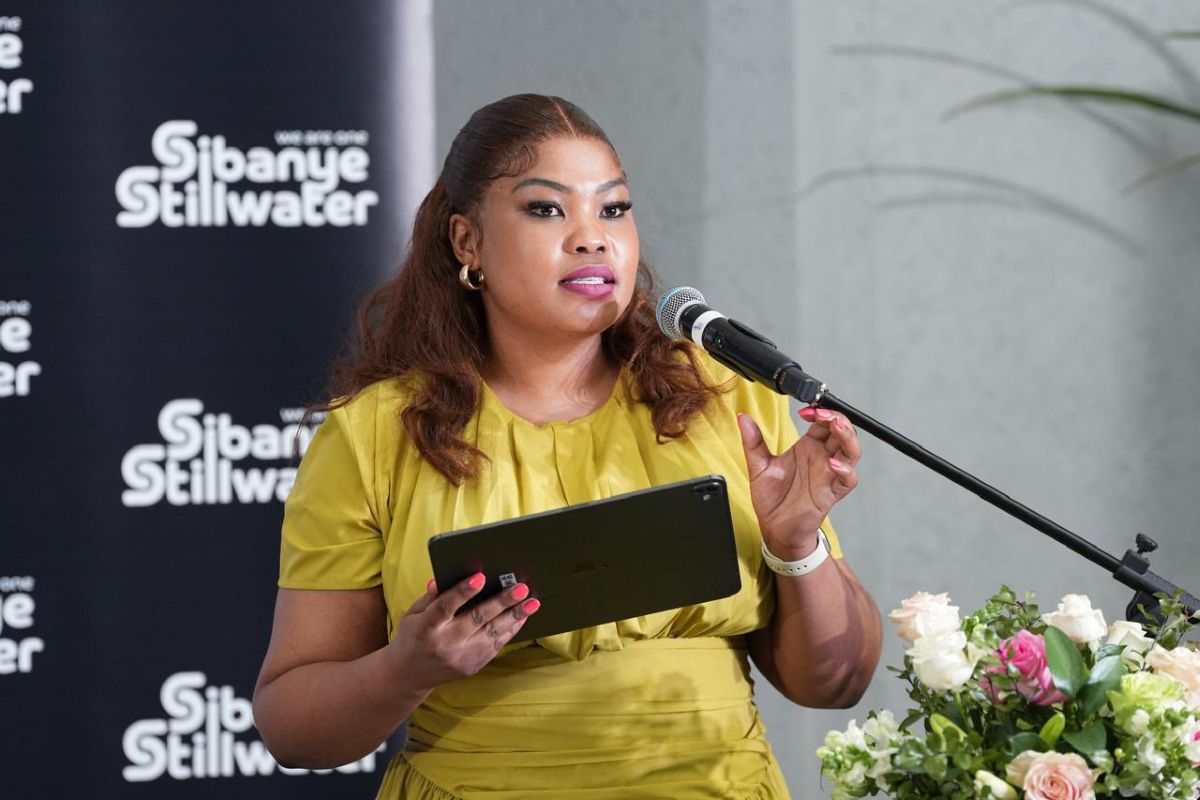
JOHANNESBURG — South Africa’s economic and industrial stability depends heavily on the safety, dignity, and active workforce participation of women, according to Deputy Minister of Mineral and Petroleum Resources Phumzile Mgcina.
Speaking at the Building Positive Masculinity Symposium hosted by Sibanye-Stillwater in Rustenburg, the Deputy Minister emphasized that gender-based violence and femicide (GBVF) is not merely a social crisis, but a structural impediment to national development that directly impacts families, workplaces, and the mining sector at large.
The symposium placed a deliberate focus on engaging men as active participants and agents of change rather than passive observers. By centring the dialogue on positive masculinity—grounded in accountability, respect, and responsibility—industry leaders underscored that true industrial strength is measured by the ability to protect dignity and treat every person as an equal.
Economic and Workplace Imperatives in Mining
The economic toll of workplace violence and harassment carries severe productivity and human capital costs. Highlighting historical data from a Mine Health and Safety Council (MHSC) study, the Department of Mineral and Petroleum Resources (DMPR) noted that safety and security risks disproportionately threaten women in the industry, pointing to historical gaps where institutional policies were either absent or ineffective.
To bridge these gaps, the DMPR has formally developed and gazetted a Guidance Note for the management of GBVF across the South African mining sector. The regulatory instrument places concrete obligations on employers to:
- Develop and execute robust strategies against sexual harassment and gender discrimination.
- Establish anonymous, secure reporting mechanisms that protect whistle-blowers and survivors from retaliation.
- Implement supervisor-led accountability frameworks to ensure zero tolerance from the corporate boardroom down to the mining shaft.
- Provide comprehensive survivor-centred care, ensuring that employees are never forced to choose between personal safety and their livelihoods.
A Coordinated National Response
The broader economic framework aligns with national emergency interventions declared by President Cyril Ramaphosa, which treat GBVF as a critical priority requiring coordinated resource allocation. Key strategic pillars include a national case-recovery operation for unresolved sexual offences, funded plans to clear forensic backlogs, municipal women’s safety audits, and legislative packages targeting alcohol-related violence.
Industry associations, mining houses, and organized labour have been urged to move beyond corporate compliance on paper and translate these guidelines into measurable workplace improvements. Furthermore, the launch of the “Bojanala Men Against GBVF Action Network” aims to institutionalize sustained prevention, capacity-building, and peer accountability within host communities.
Ultimately, the symposium underscored that sustainable economic growth requires safe environments where all workers can thrive free from intimidation, ensuring that human rights and industrial productivity advance hand in hand.