 By
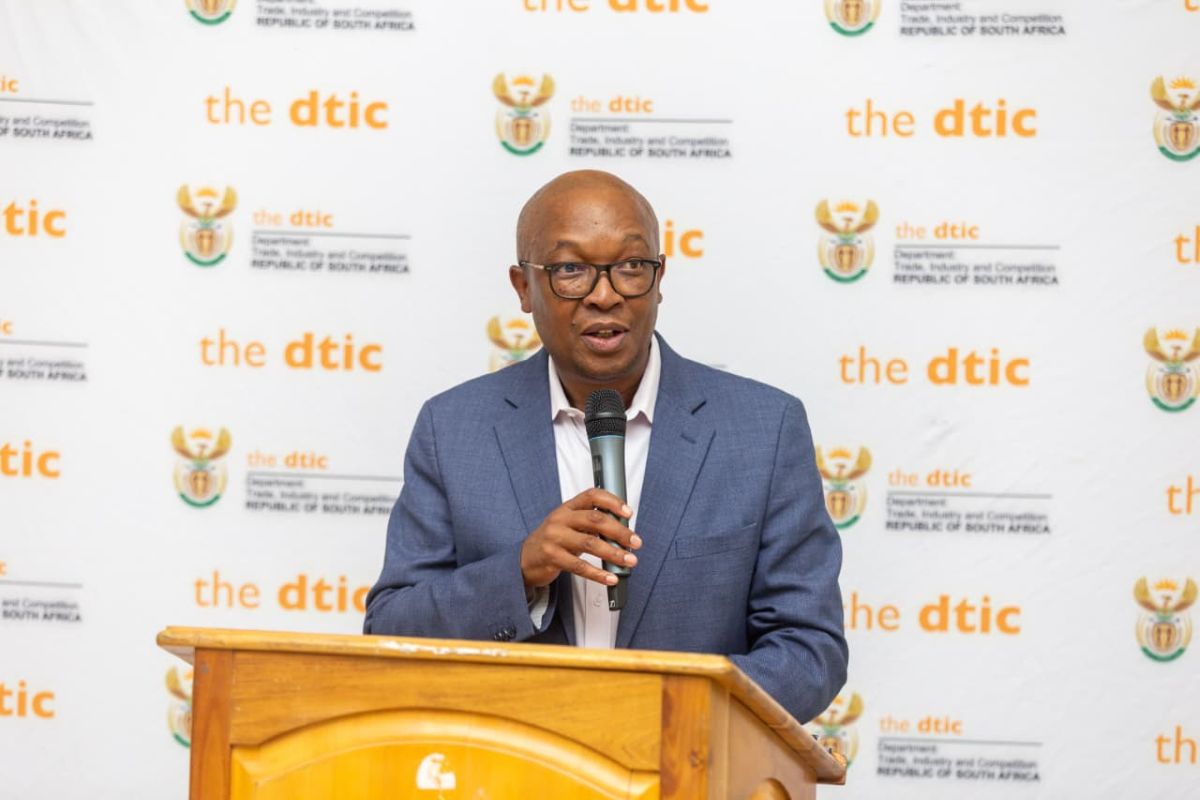
South Africa’s industrial landscape is undergoing a structural transformation, anchored by the rapid expansion of its Special Economic Zones (SEZs). Speaking at a ministerial engagement in Steelpoort, Limpopo, the Minister of Trade, Industry and Competition, Mr Parks Tau, announced that 141 companies have committed a staggering combined investment value of over R548 billion to various SEZs across the nation.
Once fully operational, these projects are projected to generate over 60 000 permanent jobs.
The announcement highlights a growing confidence among private and institutional investors in South Africa’s economic trajectory. According to Minister Tau, existing SEZs nationwide already host 234 private companies, boasting a collective investment value exceeding R47 billion. To date, the broader SEZ programme has been credited with creating 134 478 jobs, of which 32 904 are permanent.
Deepening Industrialisation and Beneficiation
A cornerstone of South Africa’s modern industrial policy is the shift away from raw material dependency toward localized value addition. Minister Tau emphasized that the nation’s strategy rests on a clear mandate: process more of what is mined, manufacture more of what is used, and export more of what is manufactured.
This vision is heavily supported by the African Continental Free Trade Area (AfCFTA), positioning South Africa as a critical gateway for continental industrialization. Newer strategic hubs—such as Nkomazi, Musina Makhado, and the Fetakgomo-Tubatse Special Economic Zone (FTSEZ)—are specifically designed to drive cross-border initiatives and advanced mineral processing.
These zones have already broken ground on bulk infrastructure projects to prepare for massive incoming capital deployment.
The Strategic Rise of the Fetakgomo-Tubatse SEZ
The spotlight of the ministerial gathering fell firmly on the FTSEZ in Steelpoort, Limpopo, which was officially designated in May. Situated in the heart of the Steelpoort industrial hub, the zone is surrounded by major platinum and chrome operations and sits adjacent to prominent ferrochrome smelters.
Designed explicitly to support mineral beneficiation, metal fabrication, manufacturing, renewable energy, and logistics, the FTSEZ boasts a robust R52.6 billion investment pipeline. This pipeline is expected to yield approximately 8 000 jobs in the short-to-medium term, with a long-term projection of up to 20 000 jobs over a ten-year horizon.
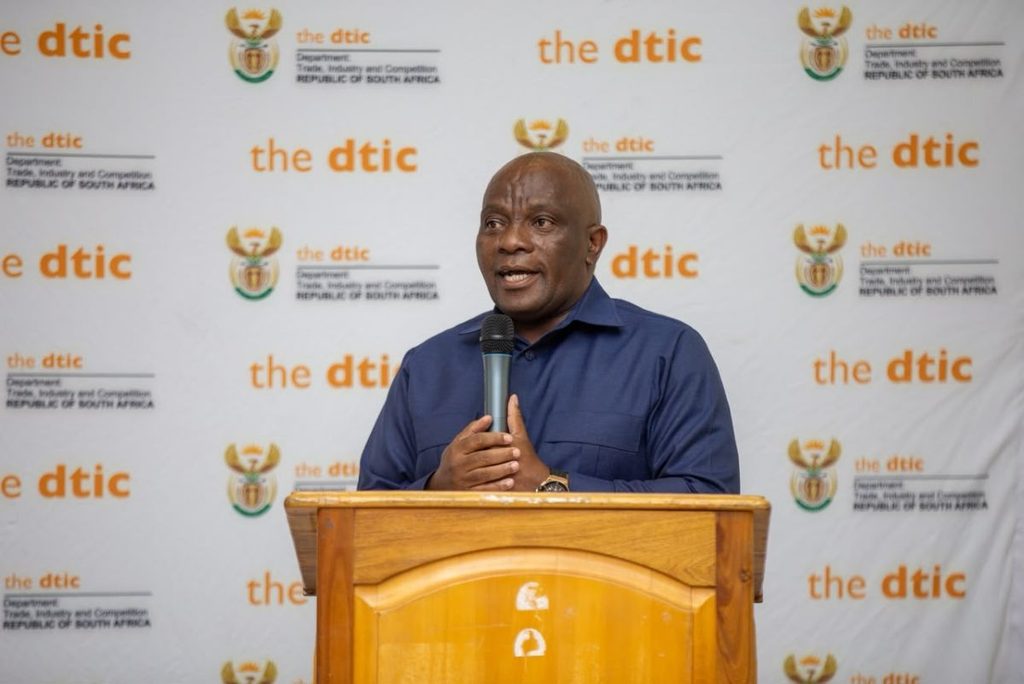
Local provincial authorities are matching national ambitions with tangible financial commitments. Speaking on behalf of Limpopo Premier Dr Phophi Ramathuba, the MEC for Economic Development, Environment and Tourism, Dr Tshitereke Matibe, revealed that the provincial government has committed R445 million toward bulk infrastructure development.
“Our vision is to ensure that minerals extracted in Limpopo create greater economic value within our province,” Dr Matibe stated. He underscored that the FTSEZ serves as a vital instrument to stimulate inclusive growth, develop local skills, support domestic enterprises, and expand economic opportunities directly within host communities and beyond.
A Bright Horizon for Local Economies
As South Africa navigates global macroeconomic headwinds, the SEZ framework is proving to be a resilient catalyst for regional development. By bridging the gap between raw resource extraction and high-value manufacturing, initiatives like the FTSEZ are laying the foundation for sustainable employment and industrial competitiveness.
With billions in capital flowing into strategic corridors, South Africa’s SEZs are firmly establishing themselves as the engine rooms of the country’s economic future.